The Role of Automatic Roll Air Filters in Electronics Manufacturing: A Vancouver Plant Case Study
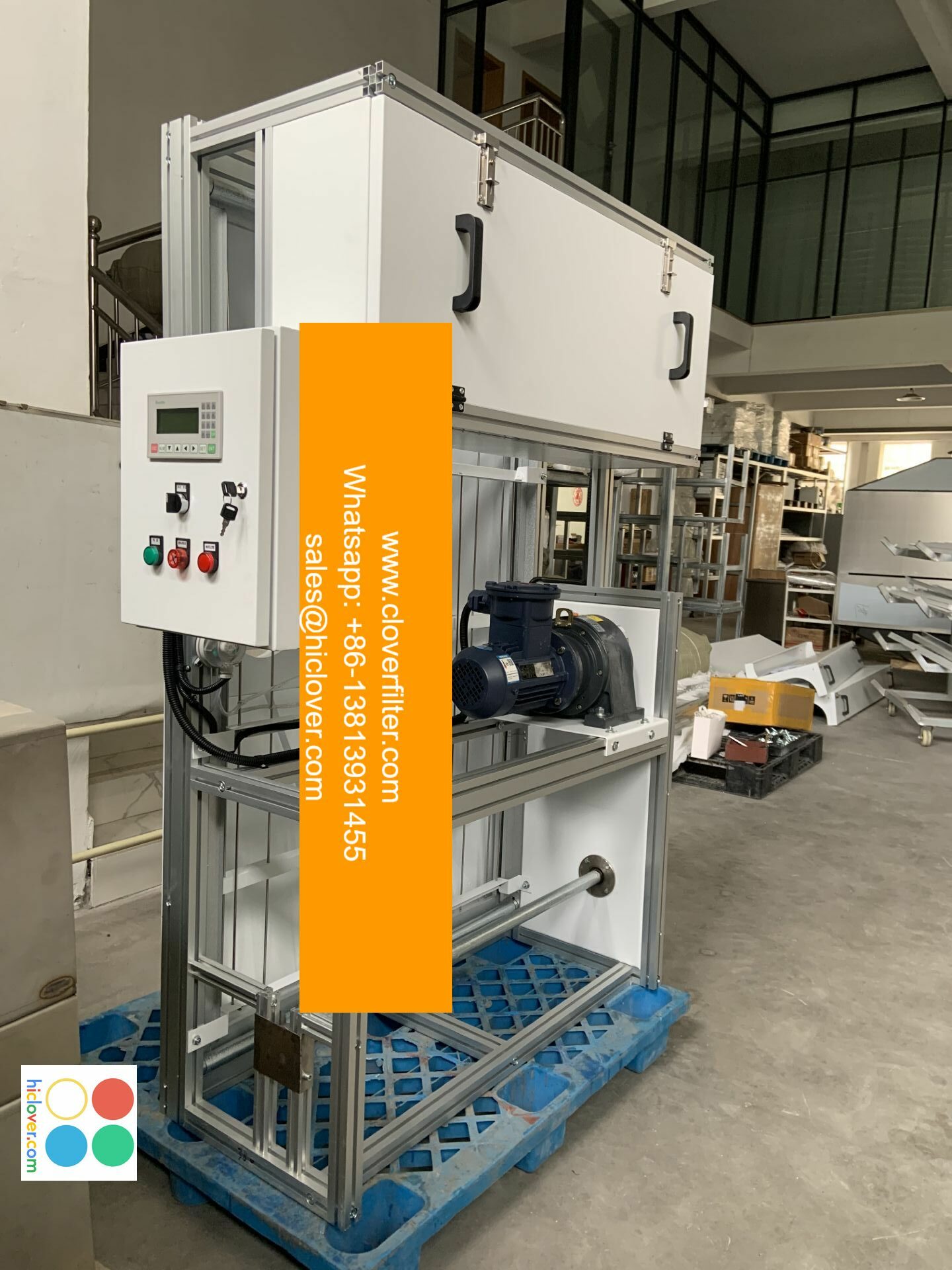
The electronics manufacturing industry is notorious for its high precision and strict quality control measures. One critical aspect of maintaining these standards is ensuring a clean environment. In a Vancouver plant dedicated to electronics manufacturing, automatic roll air filters have become pivotal in controlling air quality and enhancing production efficiency.
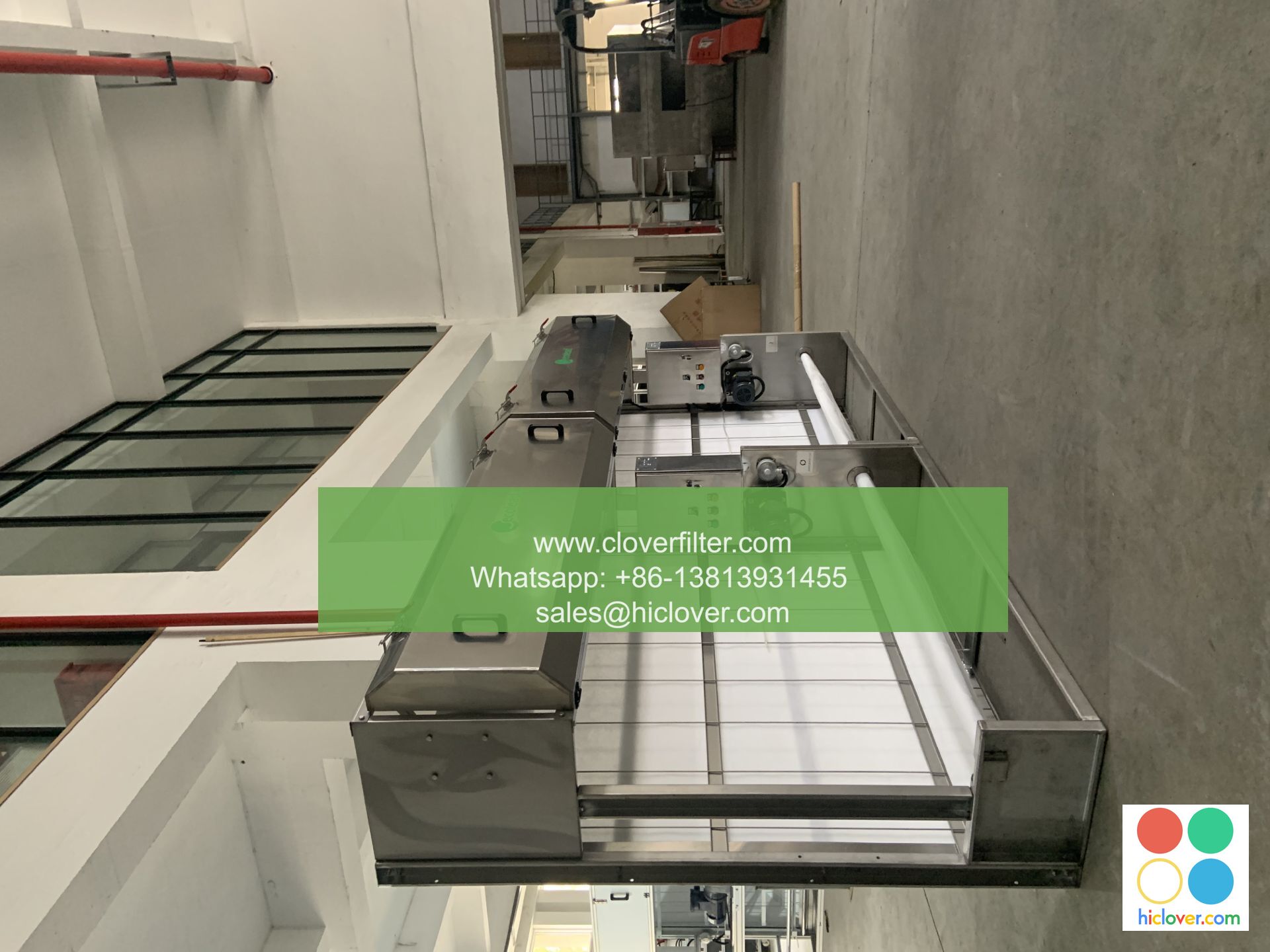
Understanding Automatic Roll Air Filters
Automatic roll air filters function by continuously filtering the air within a manufacturing facility. These systems typically utilize a series of filtration media that captures contaminants before clean air is circulated back into the environment. By employing a roll system, these filters can automatically advance to new sections, ensuring that the filter media is constantly refreshed and effective in maintaining air quality.
Implementation in the Vancouver Plant
At the Vancouver plant, management recognized the need for improved air quality as production levels increased. They implemented automatic roll air filters to tackle airborne particulates and chemical vapors that could affect sensitive electronic components. Before installation, the plant had to deal with a higher rate of product defects, which were traced back to airborne contaminants. The decision to incorporate these filters aimed to mitigate these issues.
Enhancing Production Efficiency
Since the installation of automatic roll air filters, the Vancouver plant has witnessed several positive changes. Firstly, the defect rate associated with contamination has significantly decreased. By providing a more controlled environment, the filters help ensure that assembly processes are less prone to errors caused by impurities in the air. This translates to higher yield rates and less waste, ultimately improving profit margins.
Benefits Observed
1. Improved Air Quality: With effective filtration systems, the air quality within the plant has improved noticeably, leading to a healthier work environment for employees.
2. Consistency in Manufacturing Processes: Stable air conditions allow for consistent production processes, which is vital in electronics manufacturing where minute variances can lead to significant issues.
3. Lower Maintenance Costs: The automatic aspect of roll air filters means less manual intervention is required for filter changes, reducing labor costs and downtime.
Environmental Impact
In addition to operational advantages, the implementation of these air filtration systems aligns with increasing industrial focus on sustainability. Efficient air filters consume less energy than older systems and reduce the amount of waste generated through fewer filter replacements.
Conclusion
The integration of automatic roll air filters in the Vancouver electronics manufacturing plant serves as a compelling case study highlighting their essential role in enhancing air quality and operational efficiency. The benefits, including reduced defect rates and lower maintenance costs, demonstrate the value of investing in advanced filtration systems. As clean air becomes increasingly crucial to the quality of electronics manufacturing, more plants may follow in the footsteps of this Vancouver facility to improve their production environments.
FAQs
What are automatic roll air filters?
Automatic roll air filters are filtration systems that use a roll of filter material to continuously clean the air in an environment, automatically advancing to new sections as needed.
How do automatic roll air filters improve air quality?
They effectively remove contaminants from the air, such as dust, particulate matter, and chemical vapors, creating a cleaner environment conducive to manufacturing.
What are the operational benefits of using these filters?
The operational benefits include reduced defect rates, lower maintenance costs, and improved efficiency in production processes, all contributing to higher profit margins.
Are the filters environmentally friendly?
Yes, they consume less energy than traditional systems and generate less waste, making them a sustainable choice for manufacturing facilities.
