The Role of Automatic Roll Air Filters in Ensuring Regulatory Compliance
In today’s industrial landscape, maintaining high air quality is not only a moral imperative but also a legal requirement. Regulatory bodies worldwide have established stringent standards to ensure that industries minimize their environmental footprint and provide a safe working environment for employees. Air filtration systems play a crucial role in achieving these goals, and automatic roll air filters have emerged as a key component in ensuring regulatory compliance. This article explores the significance of automatic roll air filters in meeting regulatory standards across various industries.
Understanding Automatic Roll Air Filters
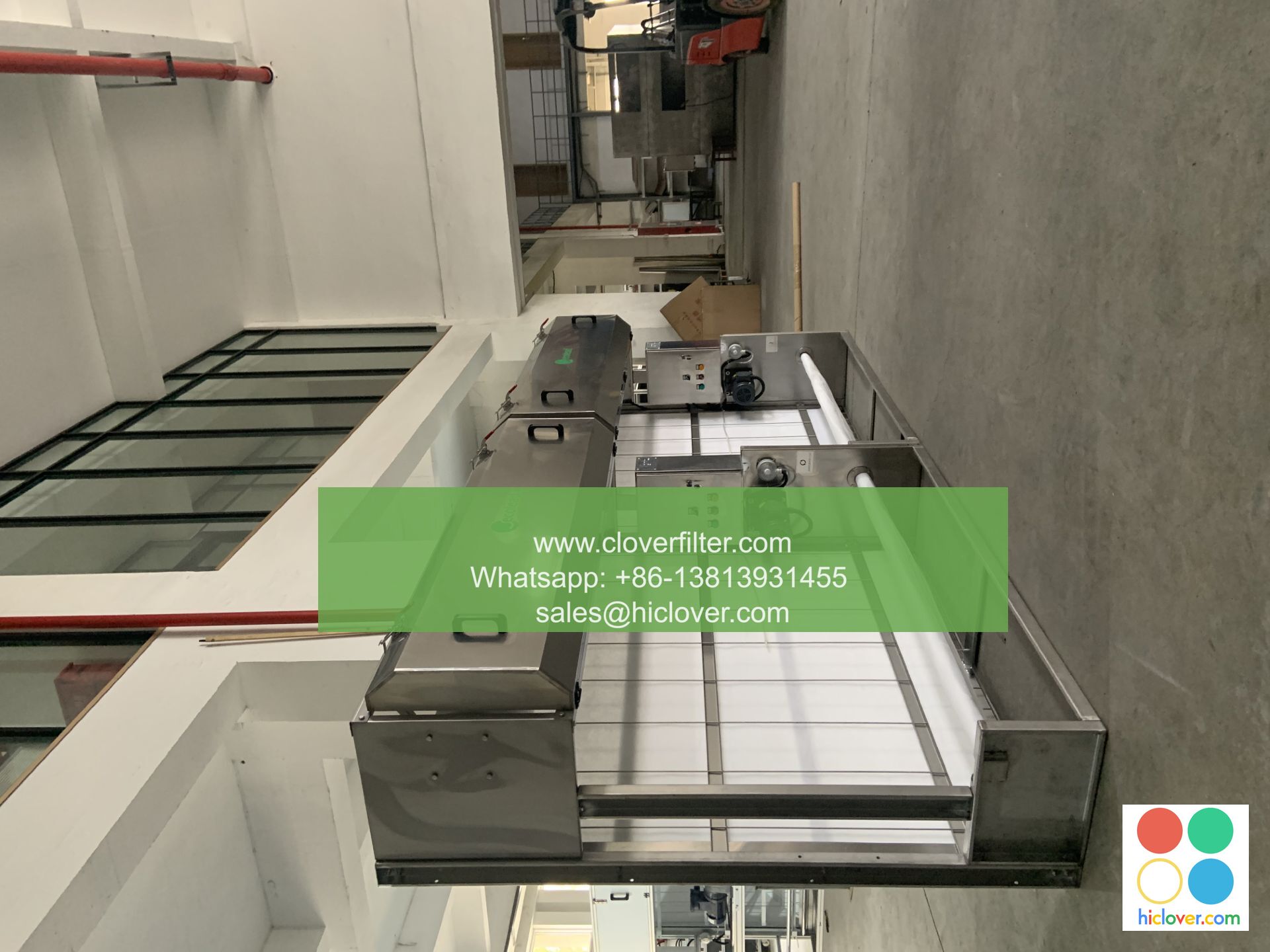
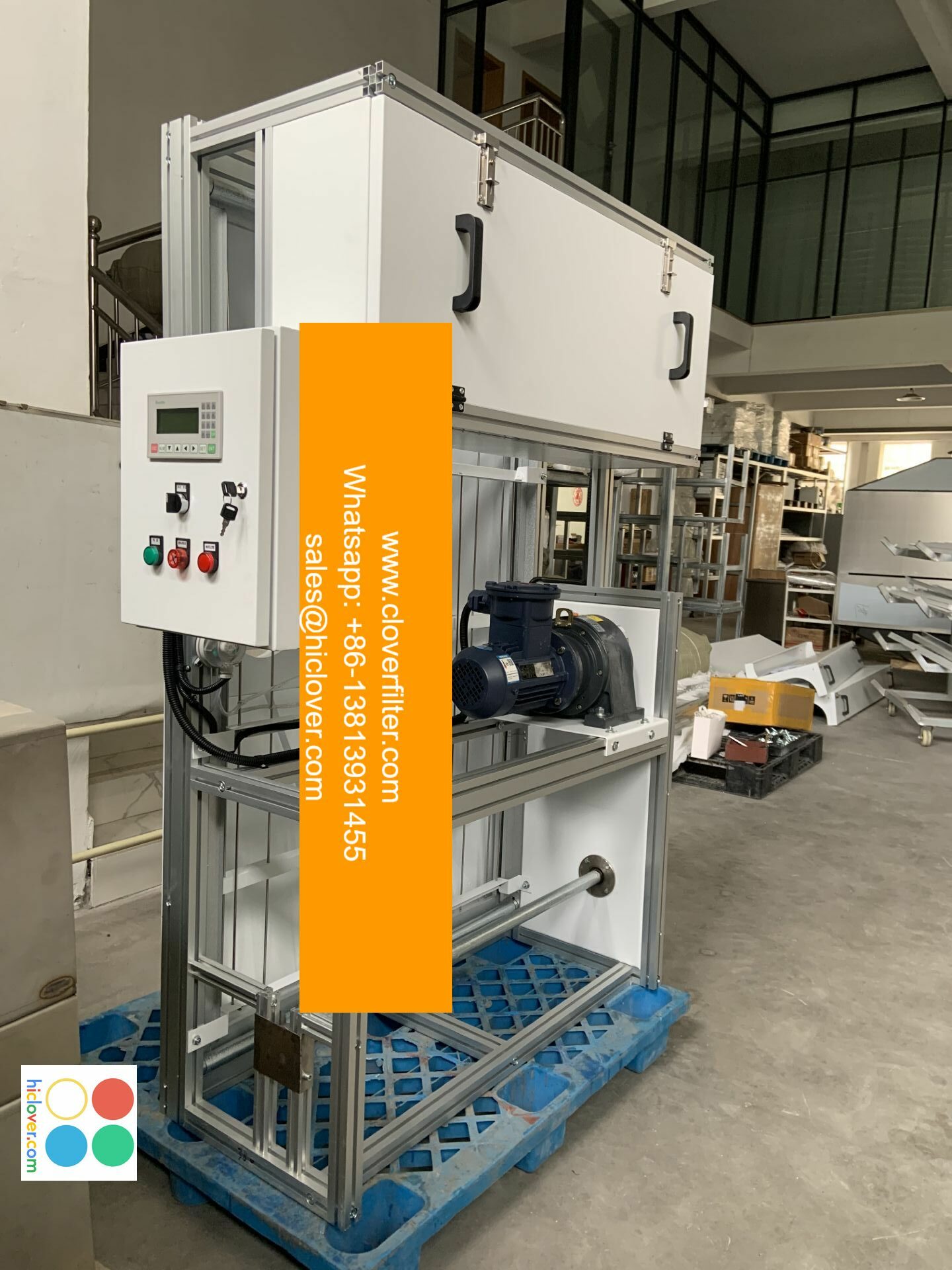
Automatic roll air filters are designed to continuously filter the air by rolling a new, clean filter media into place as the old, dirty media is removed. This continuous filtration process ensures that the air quality remains consistent, with minimal interruption to the operation. These filters are particularly useful in applications where high-efficiency particulate air (HEPA) filtration is required, as they can capture 99.97% of particles as small as 0.3 microns.
Regulatory Compliance in Industrial Settings
In industrial settings, OSHA (Occupational Safety and Health Administration) and EPA (Environmental Protection Agency) regulations dictate the permissible exposure limits for various airborne contaminants. Automatic roll air filters help industries comply with these regulations by maintaining clean air quality and reducing the concentration of particulate matter (PM), volatile organic compounds (VOCs), and other hazardous substances.
Application Areas
The application of automatic roll air filters is diverse, covering a wide range of industries including:
- Pharmaceutical and Healthcare: Where sterile environments are crucial, these filters ensure that the air is free from contaminants, thereby protecting products and personnel.
- Food Processing: By maintaining high air quality, automatic roll air filters prevent contamination and spoilage, ensuring consumer safety and compliance with FDA regulations.
- Automotive and Manufacturing: These filters are used to control airborne particles and fumes, improving indoor air quality and reducing the risk of respiratory problems among workers.
- Data Centers and Electronics: The precision filtration provided by automatic roll air filters protects sensitive electronic equipment from dust and other airborne contaminants, ensuring operational reliability and efficiency.
Economic and Environmental Benefits
Beyond regulatory compliance, the use of automatic roll air filters offers several economic and environmental benefits. By minimizing the need for manual filter replacements, these systems reduce labor costs and waste generation. Furthermore, they contribute to a sustainable operation by extending the life of HVAC systems and reducing energy consumption, as clean filters require less energy to pull air through them.
Conclusion
In conclusion, automatic roll air filters play a pivotal role in ensuring regulatory compliance across various industries. Their ability to maintain high air quality, reduce airborne contaminants, and operate with minimal interruption makes them an indispensable component of modern industrial air filtration systems. As regulatory standards continue to evolve, the adoption of advanced filtration technologies like automatic roll air filters will be crucial for industries aiming to not only comply with regulations but also to contribute to a healthier and more sustainable environment. By understanding the role and benefits of these filters, industries can make informed decisions to enhance their air quality management strategies, ensuring both regulatory compliance and operational efficiency.
