The Role of Automatic Roll Air Filters in Food Lab Process Validation and Qualification
Introduction

In the food industry, maintaining high quality and safety standards is paramount. This not only involves rigorous testing and monitoring of food products but also ensuring that the environment where these products are developed and processed is free from contaminants. Automatic roll air filters play a significant role in food lab process validation and qualification, enhancing safety, efficiency, and compliance with regulations.
Understanding Process Validation and Qualification
Process validation refers to the establishment of evidence that a process consistently produces a product that meets its predetermined specifications and quality attributes. Qualification, on the other hand, refers to the verification of whether equipment or systems operate correctly and produce desired outcomes. Together, these two elements ensure that food processing meets safety, quality, and regulatory standards.
The Importance of Air Quality in Food Labs

In food labs, air quality directly impacts the results of various tests and product safety. Poor air quality can introduce biological and chemical contaminants into the food samples being tested. Automatic roll air filters are designed to provide clean, filtered air, removing particulate matter and pathogens before it enters sensitive areas.
How Automatic Roll Air Filters Work
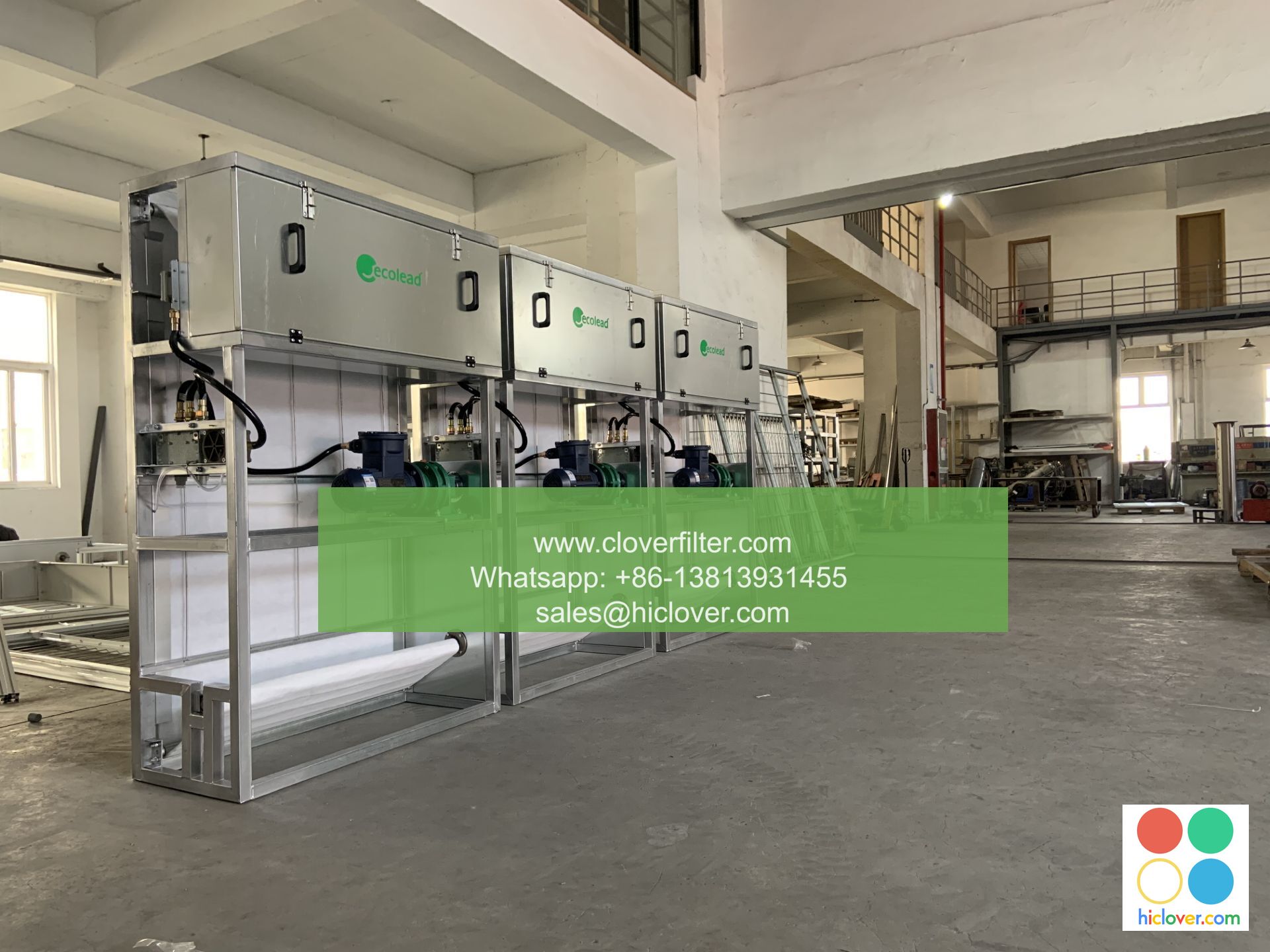
Automatic roll air filters work by utilizing a filtration system that continuously captures airborne particles, microorganisms, and VOCs (volatile organic compounds). The design typically includes multi-layer filter media that trap larger particles while allowing clean air to circulate. The automation aspect ensures that the filters are replaced or cleaned at optimal intervals, maintaining consistent air quality without manual intervention.
Integration into Validation and Qualification Processes
In the context of validation and qualification, automatic roll air filters provide several benefits:
- Consistent Air Quality: Automated filters maintain a stable environment, reducing variability in test conditions.
- Regulatory Compliance: Maintaining air quality standards helps labs comply with FDA, USDA, and other regulatory requirements.
- Documentation and Monitoring: Many automatic systems come with monitoring capabilities that log air quality data, essential for validation documentation.
Benefits of Using Automatic Roll Air Filters
The use of automatic roll air filters in food labs not only enhances the cleanliness of the environment but also boosts operational efficiency. These filters reduce the need for manual replacement, lowering labor costs and minimizing the risk of human error.
Moreover, by ensuring that clean air is a constant presence, food labs can enhance the accuracy of testing methods, leading to more reliable results. This reliability translates into greater consumer safety and trust in food products.
Conclusion
In conclusion, the role of automatic roll air filters in food lab process validation and qualification is critical. By ensuring high air quality, these systems contribute to the integrity of lab results, compliance with standards, and overall safety within the food industry. As food safety regulations continue to evolve, the technology and implementation of air filtering systems will likely play an increasingly vital role in ensuring that food products meet the highest standards of safety and quality.
FAQs
1. What are the key functions of automatic roll air filters?
Automatic roll air filters primarily capture airborne particles, pathogens, and VOCs to ensure a clean environment in food labs.
2. How often should air filters be replaced?
Replacement frequency depends on usage and specific air quality requirements, but automated systems can manage this effectively by tracking usage and performance.
3. Can automatic roll air filters help in meeting regulatory compliance?
Yes, maintaining high air quality through these filters aids in compliance with regulatory standards from organizations like the FDA and USDA.
4. Do these filters require frequent maintenance?
While maintenance is necessary, automatic systems often require less frequent intervention thanks to their self-regulating capabilities.
5. Are there any specific certifications for air filtration systems used in food labs?
Yes, various certifications apply to air filtration systems in the food industry, including ISO standards related to air purity and filtration efficiency.
