The Role of Automatic Roll Air Filters in Improving Kelowna Fruit Packaging Workshop conditions
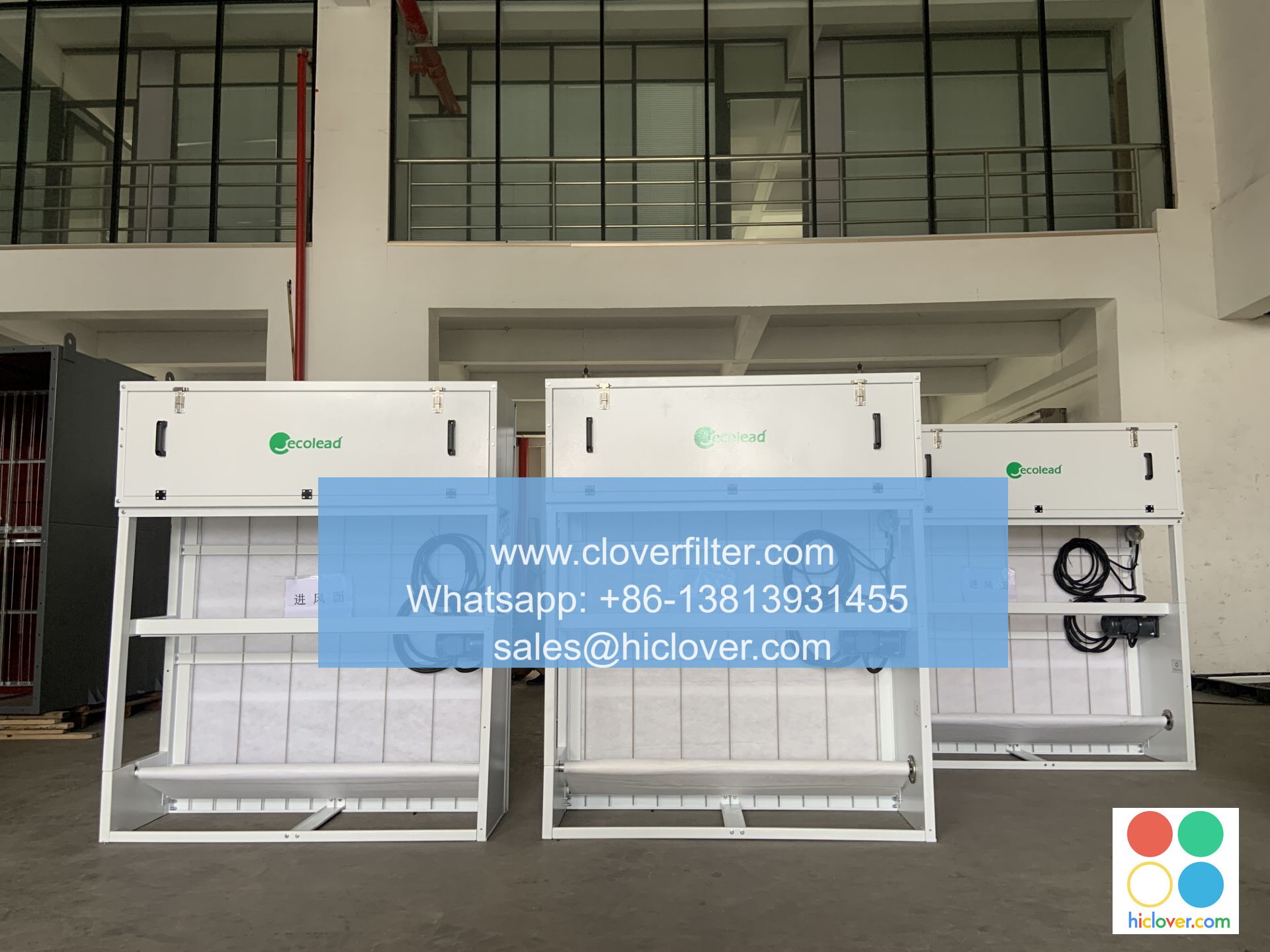
The Kelowna fruit packaging workshop is a bustling facility where fresh fruits are sorted, graded, and packaged for distribution to markets. The workshop’s environment plays a critical role in maintaining the quality and safety of the fruits. One crucial aspect of this environment is the air quality, which can be compromised by dust, pollen, and other airborne contaminants. Automatic roll air filters have emerged as a vital component in improving the conditions within the workshop, ensuring a cleaner and healthier environment for both the products and the workers.
The primary function of automatic roll air filters is to remove airborne impurities from the air, preventing them from settling on the fruits and equipment. These filters are designed to capture particles as small as 0.3 microns, including dust, pollen, and mold spores, which can cause spoilage and contamination. By installing automatic roll air filters, the workshop can significantly reduce the risk of contamination, resulting in higher-quality products and reduced waste.
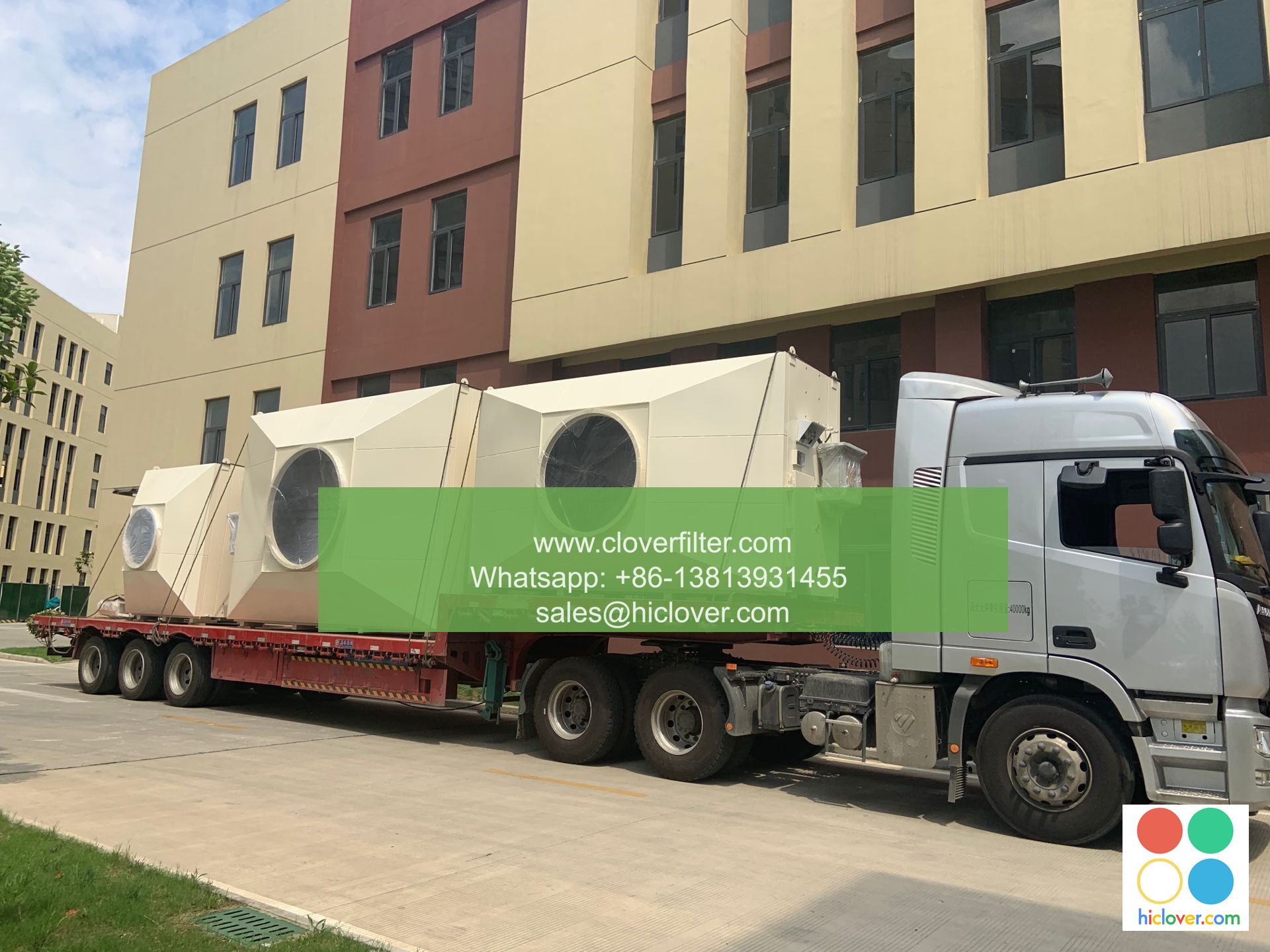
In addition to improving product quality, automatic roll air filters also contribute to a healthier work environment. The filters help remove airborne allergens and irritants, creating a more comfortable workspace for employees. This can lead to increased productivity, reduced absenteeism, and improved overall job satisfaction. Furthermore, a clean and healthy environment can also reduce the risk of worker exposure to respiratory problems and other health issues associated with poor air quality.
Another significant benefit of automatic roll air filters is their ability to reduce maintenance costs and extend the lifespan of equipment. By removing dust and other particles from the air, the filters prevent them from accumulating on machinery and equipment, reducing the need for frequent cleaning and maintenance. This can result in significant cost savings and minimize downtime, allowing the workshop to operate more efficiently and effectively.
The installation and operation of automatic roll air filters are relatively straightforward. The filters are typically mounted in the workshop’s ventilation system, where they can capture airborne contaminants as the air is circulated. The filters are designed to be self-cleaning, with a automatic roll mechanism that replaces the dirty filter media with clean ones, minimizing maintenance and ensuring continuous operation.
In terms of energy efficiency, automatic roll air filters are designed to minimize energy consumption while maintaining optimal performance. The filters are engineered to provide a high level of filtration efficiency while reducing the pressure drop, resulting in lower energy costs and a reduced carbon footprint. This makes them an attractive option for workshops seeking to reduce their environmental impact while improving their operations.
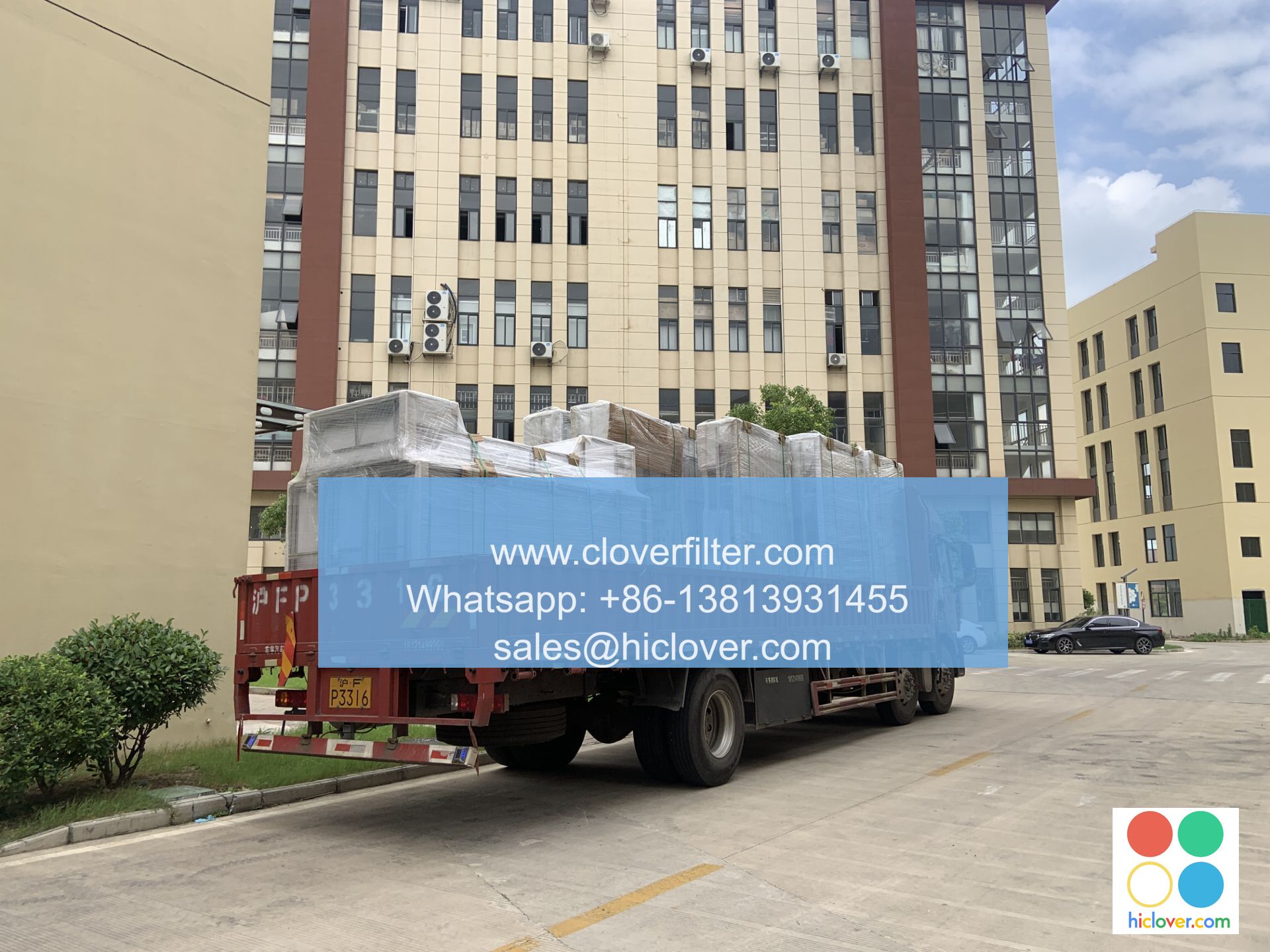
Overall, the integration of automatic roll air filters in the Kelowna fruit packaging workshop has numerous benefits, from improving product quality and worker health to reducing maintenance costs and environmental impact. By investing in these filters, the workshop can create a cleaner, healthier, and more efficient environment, ultimately leading to increased productivity, reduced waste, and a competitive edge in the market.
Conclusion
In conclusion, automatic roll air filters play a vital role in improving the conditions within the Kelowna fruit packaging workshop. By removing airborne contaminants, improving product quality, and reducing maintenance costs, these filters contribute to a cleaner, healthier, and more efficient environment. As the workshop continues to grow and evolve, the importance of maintaining high air quality will only continue to increase, making automatic roll air filters an essential component of the facility’s operations.
Frequently Asked Questions (FAQs)
Q: How often do automatic roll air filters need to be replaced?
A: The replacement frequency of automatic roll air filters depends on various factors, including the level of airborne contaminants, filter type, and workshop conditions. Typically, filters need to be replaced every 1-3 months, but this can vary depending on the specific application.
Q: Can automatic roll air filters be customized to meet specific workshop requirements?
A: Yes, automatic roll air filters can be customized to meet specific workshop requirements, including filter size, material, and efficiency. Manufacturers can work with workshops to design and install filters that meet their unique needs and conditions.
Q: Do automatic roll air filters require regular maintenance?
A: Automatic roll air filters are designed to be self-cleaning, with a automatic roll mechanism that replaces the dirty filter media with clean ones. However, regular checks and maintenance are still necessary to ensure optimal performance and extend the lifespan of the filters.
Q: Can automatic roll air filters be integrated with existing ventilation systems?
A: Yes, automatic roll air filters can be easily integrated with existing ventilation systems, making them a convenient and cost-effective solution for workshops looking to improve their air quality.
