The Role of Automatic Roll Air Filters in Improving Worker Morale and Productivity in Canada’s Electronics Facilities
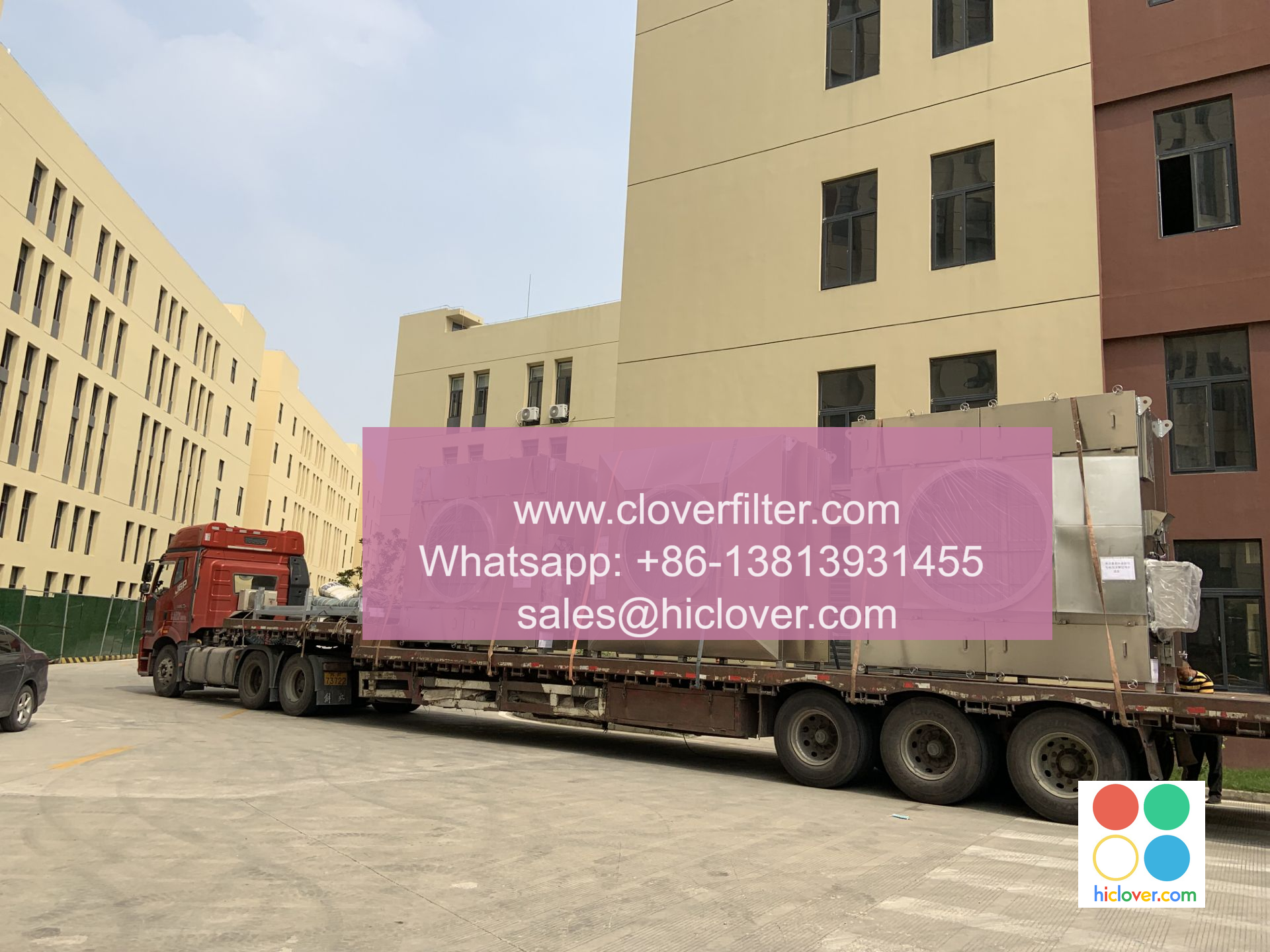
In the fast-paced world of electronics manufacturing, air quality plays a crucial role in not only the efficiency of the production process but also the well-being of the workforce. With increasing awareness of workplace environments, businesses in Canada are investing more in sophisticated technologies like automatic roll air filters. These advanced systems can dramatically enhance air quality and contribute to worker morale and productivity.
Understanding Automatic Roll Air Filters

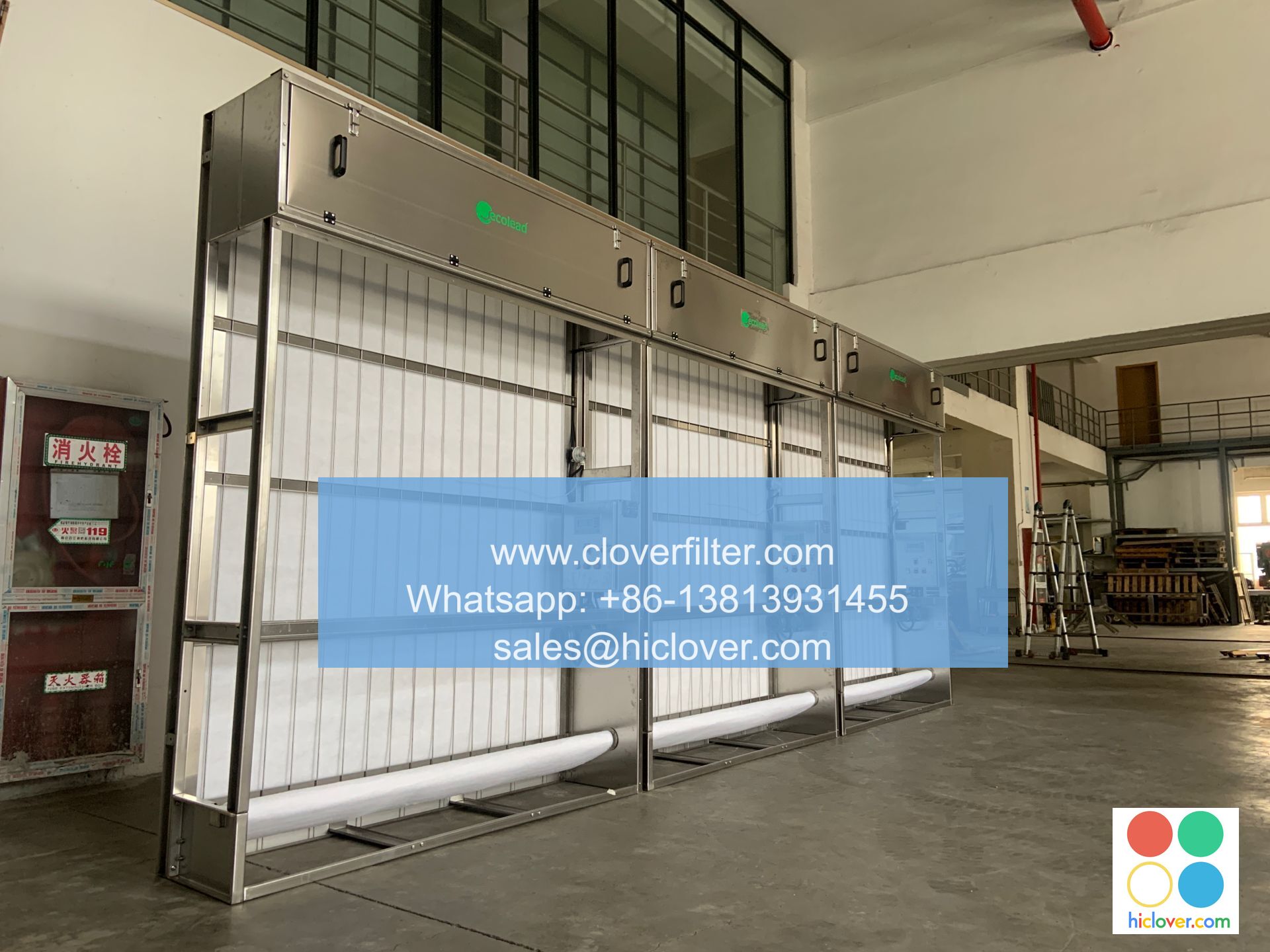
Automatic roll air filters are designed to continuously clean and recirculate the air within an industrial setting. Unlike traditional air filters, these systems are automated, allowing for real-time monitoring and adjustment to maintain optimal air quality. This is particularly important in electronics facilities, where fine particles and contaminants can lead to product defects and degrade employee performance.
Impact on Worker Morale
Worker morale is a vital component of productivity. Studies have shown that clean air is closely linked to increased satisfaction and lower stress levels among employees. Here are some ways automatic roll air filters contribute to better morale:
- Improved Air Quality: By reducing dust, pollen, and other airborne pollutants, these systems create a healthier environment, leading to fewer respiratory issues and allergies.
- Comfortable Working Conditions: Enhanced air filtration helps to maintain a comfortable temperature, reducing feelings of fatigue and irritation.
- Enhanced Focus: Clean air can significantly impact cognitive functions, leading to improved concentration and overall job satisfaction.
- Minimized Downtime: Cleaner air helps protect sensitive electronic equipment from dust and debris, reducing the likelihood of breakdowns and maintenance issues.
- Fewer Sick Days: Workers are less likely to suffer from respiratory illnesses, resulting in lower absenteeism and a more stable workforce.
- Streamlined Operations: With improved air quality, workers are able to perform tasks more efficiently, meeting production targets with ease.
- Higher Employee Retention: Happy and healthy employees are likely to stay longer with a company, reducing turnover costs.
- Enhanced Reputation: Companies that prioritize employee well-being often enjoy a better public image and attract top talent.
- Compliance with Regulations: Adhering to air quality standards helps companies avoid legal issues while ensuring a safe working environment.
Boosting Productivity
Productivity in electronics facilities hinges on several factors, including equipment efficiency and worker performance. Automatic roll air filters can positively influence productivity in the following ways:
Long-Term Benefits for Businesses
Investing in automatic roll air filters not only benefits workers but also contributes to long-term organizational success. Businesses experience:
Conclusion
The implementation of automatic roll air filters in Canada’s electronics facilities presents a multifaceted advantage. Not only do these systems contribute to a healthier work environment, but they also enhance worker morale and boost productivity. As industries continue to evolve, prioritizing employee welfare through innovative technologies like automatic roll air filters will be essential in maintaining a competitive edge in the market.
FAQs
1. How do automatic roll air filters operate?
These filters operate by continuously rolling and filtering out dust and airborne particles, ensuring a steady supply of clean air is circulated throughout the facility.
2. Are automatic roll air filters expensive to maintain?
While the initial investment can be significant, the long-term savings from reduced maintenance costs and improved productivity can offset these expenses.
3. Can these filters help in reducing odors?
Yes, they can effectively reduce odors associated with electronics manufacturing processes, contributing to a more pleasant working environment.
4. How often do they need to be serviced?
Regular servicing is recommended, typically every 6–12 months, depending on the specific conditions of the facility and usage levels.
