The Role of Automatic Roll Air Filters in Maintaining Biosafety Lab Certification
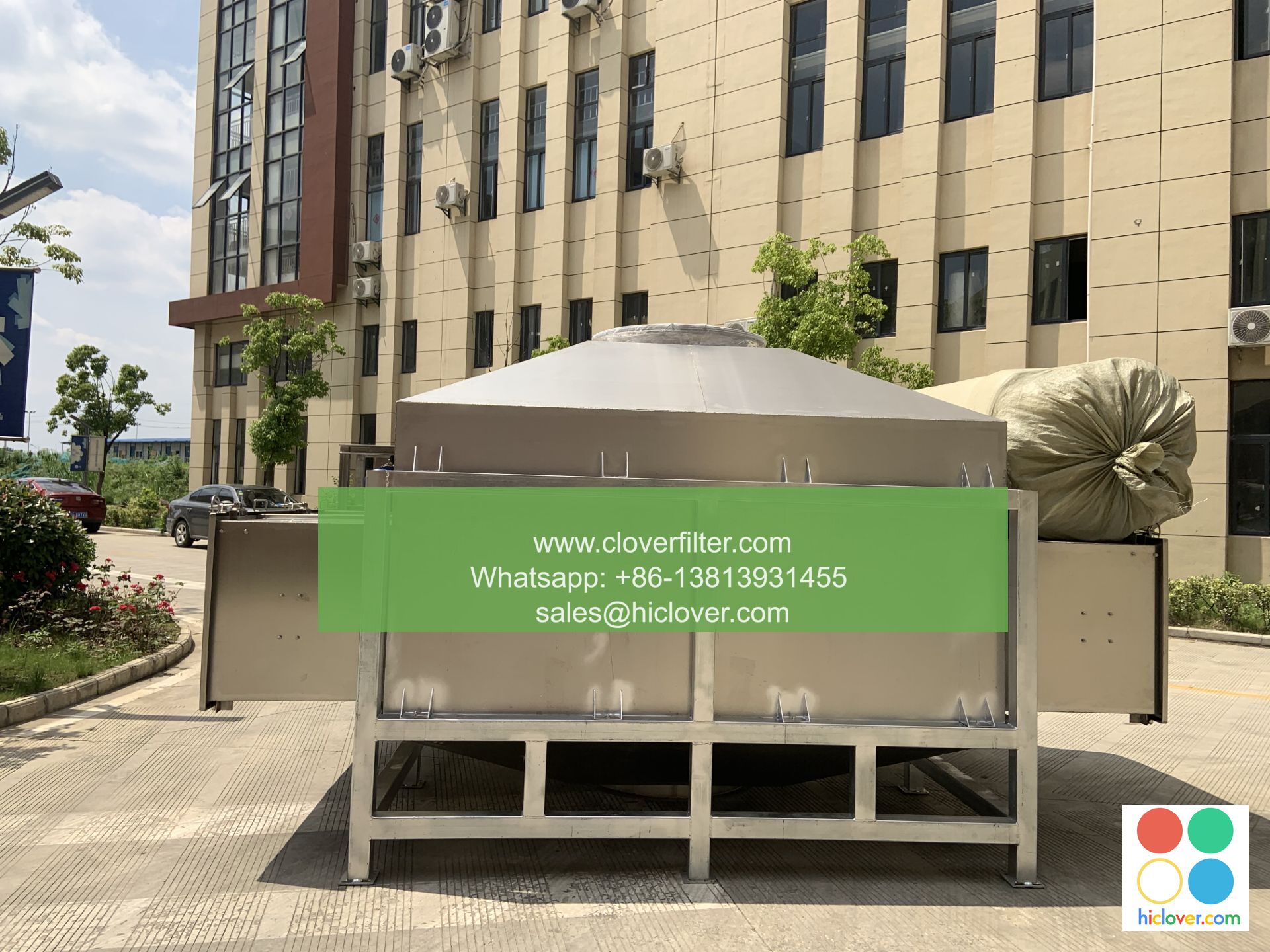
Biosafety labs play a crucial role in advancing medical research, developing new treatments, and protecting public health. However, these labs also pose significant risks to workers, the environment, and the community if not properly managed. One critical aspect of maintaining biosafety lab certification is ensuring the air quality within the lab is free from contaminants and pollutants. This is where automatic roll air filters come into play, providing a reliable and efficient solution for maintaining high-quality air filtration.
Introduction to Biosafety Lab Certification

Biosafety lab certification is a rigorous process that involves meeting strict standards and guidelines set by regulatory agencies, such as the Centers for Disease Control and Prevention (CDC) and the National Institutes of Health (NIH). These standards encompass various aspects of lab operations, including air quality, waste management, and personnel training. To maintain certification, biosafety labs must demonstrate compliance with these standards, which includes implementing effective air filtration systems.
The Importance of Air Filtration in Biosafety Labs
Air filtration is a critical component of biosafety lab operations, as it helps prevent the spread of airborne pathogens, toxins, and other contaminants. Inadequate air filtration can lead to serious consequences, including worker exposure, cross-contamination, and environmental release of hazardous agents. Automatic roll air filters offer a reliable solution for maintaining high-quality air filtration, providing several benefits, including:
- High-efficiency particulate air (HEPA) filtration: Capturing 99.97% of particles as small as 0.3 microns, including bacteria, viruses, and other microorganisms.
- Continuous air quality monitoring: Providing real-time data on air quality, enabling prompt response to changes in air quality.
- Automated filter replacement: Ensuring consistent air filtration performance, minimizing downtime, and reducing maintenance costs.
- Biosafety cabinets: Providing a safe working environment for handling hazardous materials, such as pathogens, toxins, and carcinogens.
- Fume hoods: Capturing and removing airborne contaminants, including chemicals, particles, and vapors.
- Ventilation systems: Maintaining high-quality air filtration, preventing the spread of airborne pathogens, and ensuring a safe working environment.
- Cleanrooms: Providing ultra-clean air, minimizing particle counts, and preventing contamination in critical areas, such as pharmaceutical manufacturing and medical device production.
- Improved air quality: Providing a safe working environment, reducing the risk of worker exposure, and preventing cross-contamination.
- Increased efficiency: Automating filter replacement, minimizing downtime, and reducing maintenance costs.
- Enhanced compliance: Demonstrating compliance with regulatory standards, maintaining biosafety lab certification, and ensuring a high level of quality control.
- Cost savings: Reducing energy consumption, extending filter life, and minimizing waste disposal costs.
Application Areas for Automatic Roll Air Filters
Automatic roll air filters have various applications in biosafety labs, including:
Benefits of Automatic Roll Air Filters
The benefits of automatic roll air filters in biosafety labs are numerous, including:
Conclusion
In conclusion, automatic roll air filters play a critical role in maintaining biosafety lab certification, providing a reliable and efficient solution for ensuring high-quality air filtration. With their high-efficiency particulate air (HEPA) filtration, continuous air quality monitoring, and automated filter replacement, these filters offer numerous benefits, including improved air quality, increased efficiency, enhanced compliance, and cost savings. As biosafety labs continue to advance medical research and develop new treatments, the importance of air filtration will only continue to grow, making automatic roll air filters an essential component of lab operations. By highlighting the various application areas and benefits of these filters, labs can ensure a safe working environment, maintain certification, and advance public health.
