The Role of Automatic Roll Air Filters in Preventing Cross-Contamination in Electronics Packaging
The Role of Automatic Roll Air Filters in Preventing Cross-Contamination in Electronics Packaging
In the world of electronics packaging, maintaining a clean and controlled environmental condition is crucial. The presence of airborne particulates, dust, and other contaminants can severely affect the performance and longevity of electronic components. Cross-contamination particularly poses a significant risk during the packaging process, where multiple components are handled in close proximity. This is where automatic roll air filters come into play, serving as a vital component in ensuring that the environment remains free of harmful contaminants.

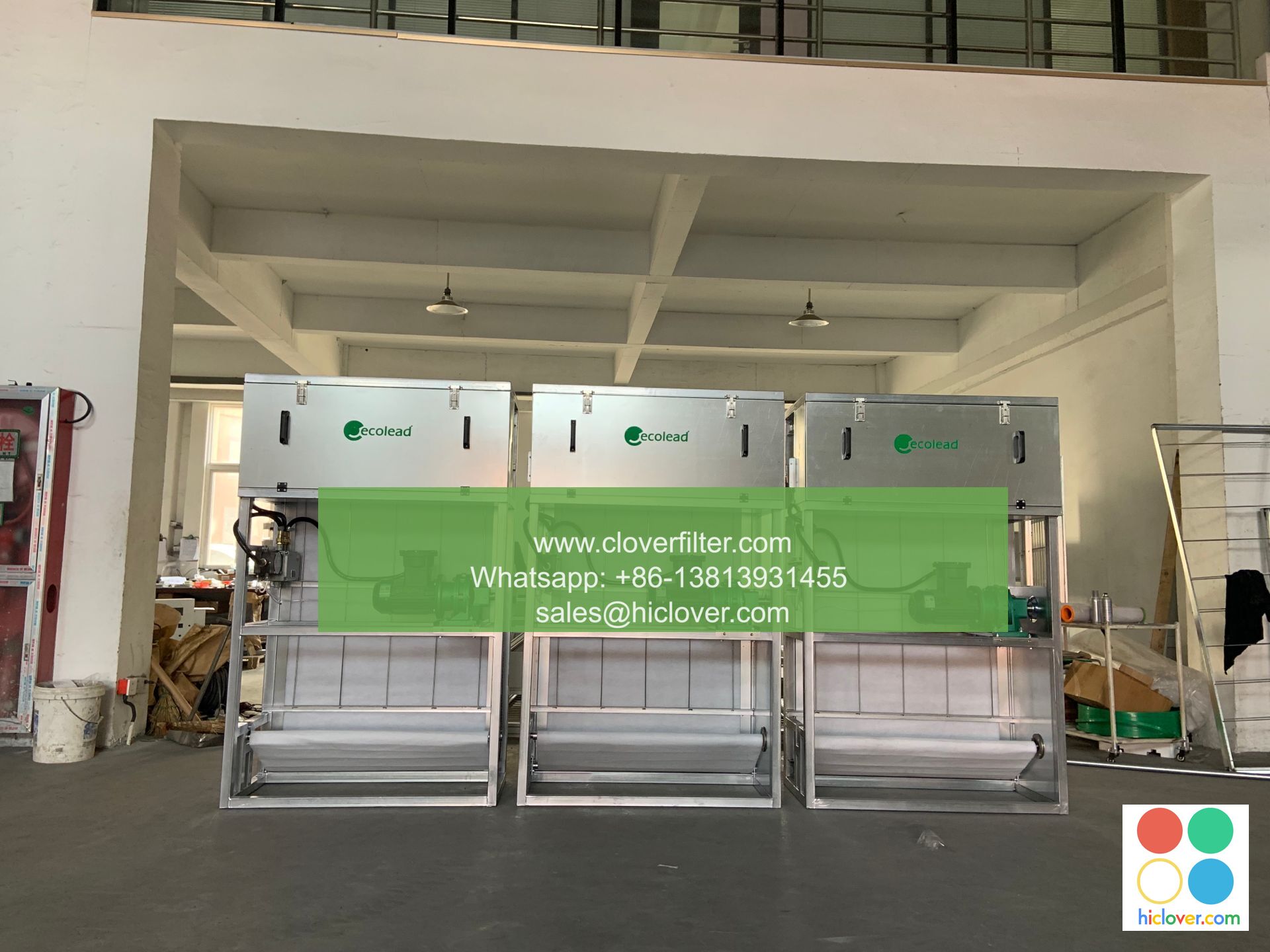
Automatic roll air filters are designed to provide continuous filtration in various industrial applications. Specifically, in electronics packaging facilities, these filters help maintain clean air environments by automatically rolling to expose a fresh filter surface while discarding the used one. This process greatly reduces human intervention, allowing for a more efficient and consistent filtration system.
How Do Automatic Roll Air Filters Work?
The functionality of automatic roll air filters is based on a simple yet effective mechanism. These filters are typically installed in air handling units or fume hoods and consist of a roll of filter media. As the filter media becomes contaminated over time, a simple mechanical system rotates the roll, presenting a clean section of filter media to the airflow. The dirty section is subsequently discarded, minimizing the chances of re-contamination, which is crucial in an environment where even the smallest particles can compromise electronic components.
The design of these filters allows for high filtration efficiency and extended longevity. They can capture varying sizes of particulate matter, including bacteria and other biological contaminants, that may inadvertently enter the clean environment. Additionally, by automating this process, facilities can maintain consistent airflow rates and minimize dust accumulation on sensitive equipment.

Importance of Cross-Contamination Prevention
The implications of cross-contamination in electronics packaging can lead to severe complications, ranging from decreased product performance to complete device failure. Contaminants such as human hair, dust, and microorganisms can negatively impact the reliability of electronic components, leading to increased returns, wasted materials, and substantial financial losses. Therefore, investing in air filtration systems like automatic roll air filters is essential to ensure product quality and consistency.
Moreover, in highly regulated industries, such as pharmaceuticals and aerospace, stringent cleanliness standards must be adhered to. The presence of any contaminants can result in regulatory penalties and recalls, making effective filtration even more critical. For electronics manufacturers who want to ensure compliance with international standards, these filters can play a pivotal role in achieving cleaner production environments.
Conclusion
In summary, automatic roll air filters are instrumental in maintaining airborne cleanliness within electronics packaging environments. They not only prevent cross-contamination but also enhance the overall efficiency of the production process. By automatically providing a fresh surface of filter media, these filters minimize downtime and simplify maintenance. As a result, manufacturers can focus more on innovation and quality improvement rather than worrying about environmental contaminants. For any electronics production facility striving for excellence, investing in an automatic roll air filtration system is a step towards ensuring high standards of product integrity and operational efficiency.
FAQs
- What is cross-contamination?
- Cross-contamination occurs when undesirable substances or particles inadvertently mix with product materials, potentially leading to defects or failure.
- How often should automatic roll air filters be changed?
- The frequency of filter changes depends on the level of contaminants in the environment and the manufacturer’s recommendations. Regular maintenance checks are advisable to determine the appropriate change intervals.
- Can automatic roll air filters be used in other industries?
- Yes, these filters are versatile and can be used in various industries, including food production, pharmaceuticals, and manufacturing where clean air is a necessity.
- How do automatic roll air filters improve efficiency?
- By automating the filtration process, these systems ensure continuous airflow with minimal human intervention, reducing downtime and increasing the efficiency of operations.
- Are automatic roll air filters expensive?
- While the initial investment might be higher than traditional filters, the long-term savings in maintenance, downtime, and product integrity can make them cost-effective in the long run.
