The Role of Automatic Roll Air Filters in Preventing Lab-Acquired Infections
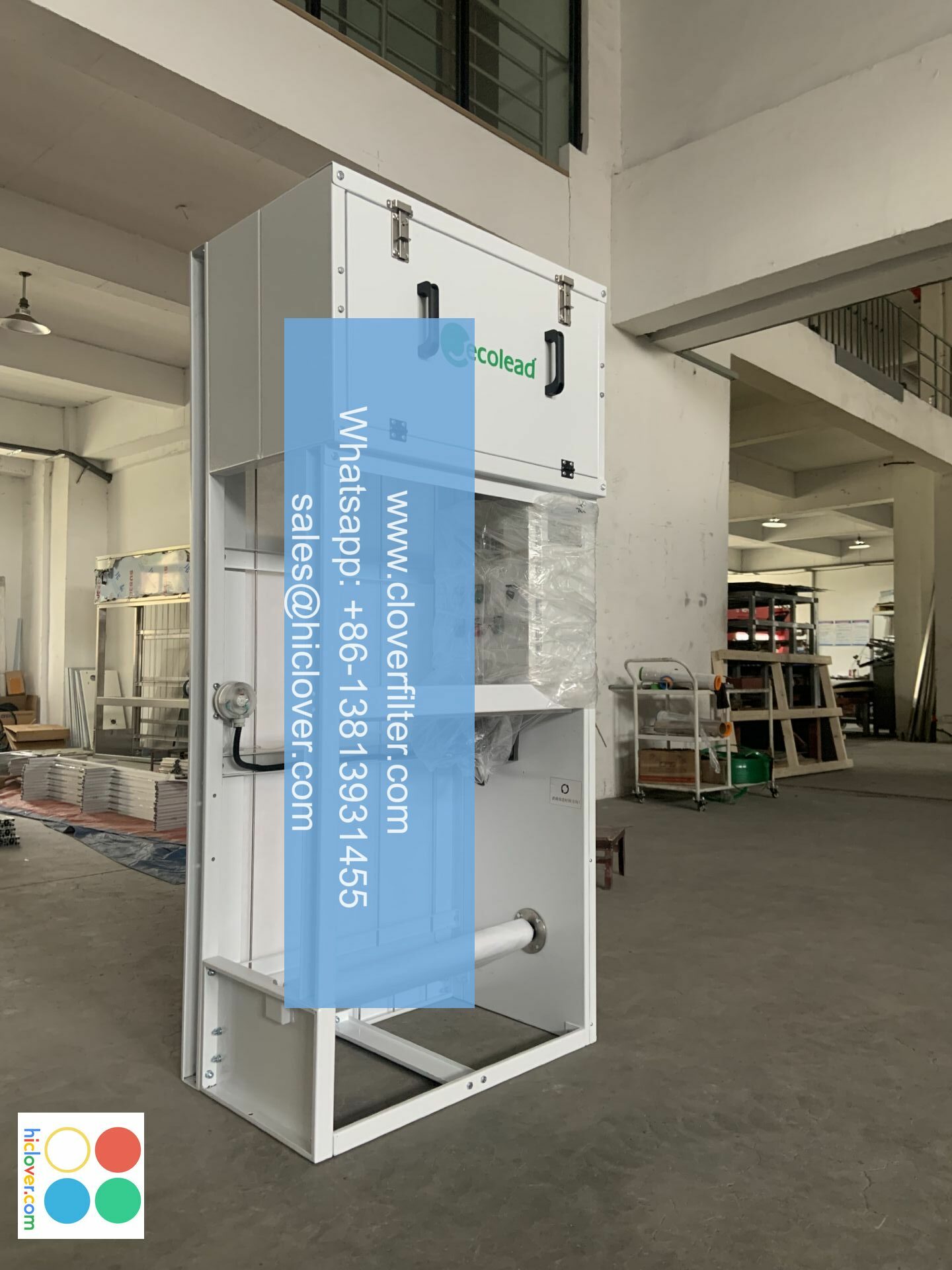
In today’s fast-paced scientific environment, the prevention of laboratory-acquired infections (LAIs) has become a paramount concern for health professionals and researchers alike. With the increasing complexity of laboratory operations, maintaining a clean and sterile environment has never been more critical. One innovative solution to this challenge is the use of automatic roll air filters. This article explores their significance, application areas, and the impact they have on preventing LAIs.
Understanding Laboratory-Acquired Infections

Laboratory-acquired infections occur when pathogens, including bacteria and viruses, are transmitted from research materials to laboratory personnel. These infections can arise from various sources such as contaminated equipment, improper handling of biological agents, and inadequate safety protocols. With the rise of biotechnological advances and the ongoing global health challenges, the demand for robust infection control measures is higher than ever.
The Functionality of Automatic Roll Air Filters
Automatic roll air filters play a crucial role in maintaining the hygiene and safety of lab environments. These advanced filtration systems utilize a continuous roll of filter media which ensures a consistent and efficient capture of airborne contaminants. The primary functions of automatic roll air filters include:
1. High-Efficiency Particulate Air (HEPA) Filtration
These filters are designed to capture 99.97% of airborne particles as small as 0.3 microns. This is particularly vital in laboratory settings where minimizing the presence of pathogens is essential.
2. Continuous Operation
Unlike traditional filters that often require manual replacement, automatic roll air filters offer continuous operation. They can automatically advance the filter media, ensuring that clean, unfiltered air does not enter the workspace.
3. Reduced Maintenance Costs
With minimal manual intervention required, these filters significantly reduce maintenance costs and labor hours associated with regular replacement or cleaning of traditional filters.
Applications in Various Laboratory Areas
1. Biological Laboratories
In biological labs, where researchers handle infectious agents and biological samples, automatic roll air filters create a sterile working environment. By filtering out harmful pathogens, these systems help guard against LAIs and ensure the safety of personnel.
2. Pharmaceutical Manufacturing
The pharmaceutical industry is highly regulated and requires stringent compliance with safety standards. Automatic roll air filters help maintain contamination-free environments, making them ideal for use in clean rooms and production facilities.
3. Clinical Research Laboratories
In clinical research settings, the presence of infectious agents poses significant risks to researchers and support staff. By utilizing automatic roll air filters, these labs can optimize air quality, protecting the health of personnel and preventing the cross-contamination of samples.
4. Environmental Monitoring
Automatic roll air filters are also employed in environmental monitoring labs, where airborne pollutants can compromise experiment outcomes. By ensuring the air quality remains uncontaminated, these systems bolster the integrity of environmental studies.
Conclusion
Automatic roll air filters are an indispensable asset in the fight against lab-acquired infections. Their advanced filtration capabilities, coupled with the convenience of automatic operation, allow laboratories to maintain a safe and sterile environment. With applications spanning biological, pharmaceutical, clinical, and environmental sectors, these systems are paving the way for safer research practices. As the landscape of scientific research continues to evolve, investing in technologies such as automatic roll air filters will be crucial for ensuring the safety of personnel and the integrity of scientific outcomes.
Keywords:
- Automatic roll air filters
- Laboratory-acquired infections
- HEPA filtration
- Biologlical laboratories
- Pharmaceutical manufacturing
- Clean rooms
- Environmental monitoring
- Air quality increase
