The Role of Automatic Roll Air Filters in Reducing Aerospace Manufacturing Contamination
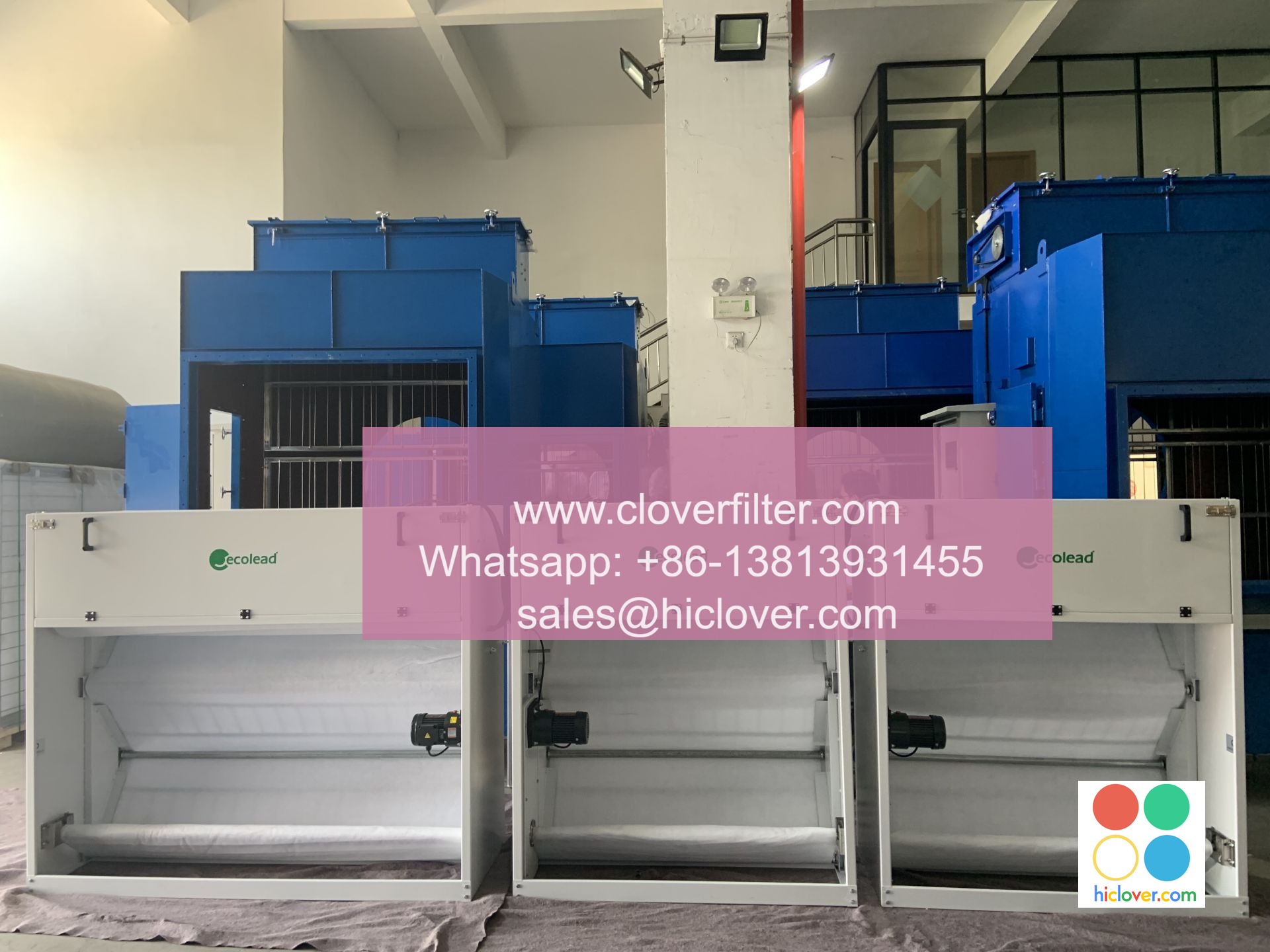
The aerospace industry is a highly specialized and demanding sector that requires meticulous attention to detail and cleanliness. The manufacturing process involves various stages, from design and production to assembly and testing, where even the slightest contamination can have severe consequences. To mitigate these risks, automatic roll air filters have emerged as a crucial component in reducing aerospace manufacturing contamination. In this article, we will delve into the role of these filters, their applications, and the benefits they offer in maintaining a clean and controlled environment.
Understanding Automatic Roll Air Filters
Automatic roll air filters are designed to provide a continuous supply of clean air by automatically advancing a new filter media as the old one becomes saturated. This ensures that the air quality remains consistent, reducing the risk of contamination from airborne particles. These filters are equipped with advanced sensors and algorithms that detect when the filter needs to be replaced, minimizing downtime and maintenance costs.
Application Areas in Aerospace Manufacturing
The use of automatic roll air filters is widespread across various application areas in aerospace manufacturing, including:
– Cleanrooms: Where the manufacture of sensitive components such as electronics and optical systems requires ultra-clean conditions.
– Painting and Coating: To prevent dust and other particles from compromising the finish of aircraft and spacecraft surfaces.
– Assembly and Testing: Where clean air is essential to prevent contamination of components and ensure reliable performance.
– Research and Development: In laboratories and test facilities where new materials and technologies are being developed and tested.
Benefits of Automatic Roll Air Filters in Aerospace
The integration of automatic roll air filters into aerospace manufacturing offers several key benefits:
– Reduced Contamination Risk: By continuously providing clean air, these filters minimize the risk of airborne particles contaminating sensitive components and surfaces.
– Increased Efficiency: Automated filter replacement reduces downtime and maintenance costs, allowing for more efficient production schedules.
– Improved Product Quality: Clean air environments contribute to higher quality products, reducing the need for rework and improving overall reliability.
– Compliance with Regulations: Many aerospace manufacturing processes must comply with strict regulatory standards. Automatic roll air filters help in achieving and maintaining these standards by ensuring a clean and controlled environment.
Advanced Technologies and Future Outlook
The technology behind automatic roll air filters is continuously evolving, with advancements in nanofiltration, smart sensors, and IoT connectivity offering even more efficient and integrated solutions for aerospace manufacturing. As the industry moves towards more complex and sensitive technologies, such as electric propulsion systems and advanced materials, the role of automatic roll air filters in maintaining clean and controlled environments will become even more critical.
Conclusion
In conclusion, automatic roll air filters play a vital role in reducing aerospace manufacturing contamination by providing a continuous supply of clean air and minimizing downtime. Their application across various stages of aerospace manufacturing highlights their importance in ensuring the quality and reliability of aircraft and spacecraft components. As the aerospace industry continues to evolve, the integration of advanced air filtration technologies will remain a key factor in achieving efficient, clean, and compliant manufacturing processes.
