The Role of Automatic Roll Air Filters in Sudbury Mining Equipment Workshop: A Review
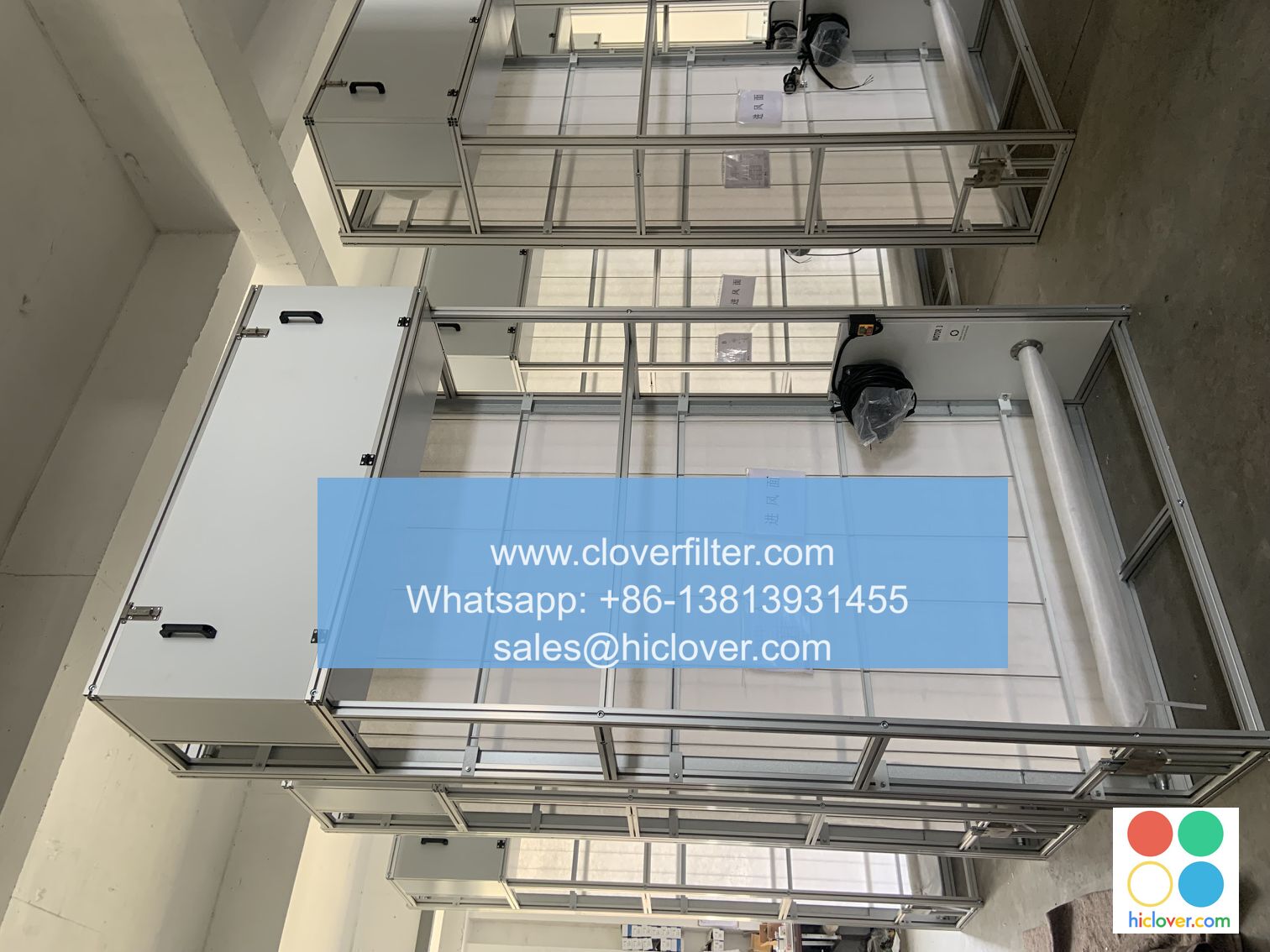
The Role of Automatic Roll Air Filters in Sudbury Mining Equipment Workshop: A Review
In the heart of the Sudbury mining region, where the demand for meticulously maintained equipment is paramount, the role of air filtration has become increasingly significant. Among the various systems employed to ensure optimal operational environments, automatic roll air filters have emerged as a pivotal component in mining equipment workshops. This article explores their functionality, benefits, and implications for the upkeep and longevity of mining machinery.

Understanding Automatic Roll Air Filters
Automatic roll air filters are designed to keep air quality in enclosed spaces exceptionally high by capturing dust, debris, and contaminants before they compromise machinery integrity. The filter system operates by continuously rolling a fresh layer of filter media into place. This automation reduces the need for manual maintenance and offers a constant stream of purified air, which is especially vital in workshops where heavy machinery is routinely serviced.
Significance in Mining Equipment Workshops
Mining workshops are notorious for their challenging environments. Dust from mineral extractions, as well as the emissions from heavy machinery, can create air quality issues that, if left unaddressed, could lead to equipment failure and health hazards for workers. The introduction of automatic roll air filters addresses these concerns effectively.
Firstly, these filters play a critical role in extending the lifespan of machinery. By preventing dust accumulation on sensitive components, such as engines and electronics, workshops can mitigate the risk of costly repairs and downtime. Additionally, consistent air filtration helps in maintaining optimal operating temperatures for heavy machinery, improving efficiency and productivity.

Benefits of Using Automatic Roll Air Filters
One of the primary benefits of automatic roll air filters is their efficiency in maintaining clean air without constant human intervention. This not only saves time for maintenance staff but also allows them to focus on more critical tasks related to equipment servicing and repair. Furthermore, the automatic nature of these filters ensures that air quality remains consistent, providing ongoing protection against contaminants.
Additionally, these filters are designed to minimize environmental impact. By capturing harmful particles and potentially toxic emissions, automatic roll air filters contribute to a safer workplace for miners and staff alike. This factor plays a vital role in adhering to the health and safety regulations imposed on mining organizations.
Integration with Workshop Operations
Integrating automatic roll air filters into existing workshop operations should be carefully planned. Organizations must assess their specific requirements, factoring in the volume of equipment, the nature of materials being processed, and the size of the workspace. Tailoring the filtration system to meet these needs will ensure maximum effectiveness.
Moreover, understanding the maintenance cycles of the roll air filters can enhance their performance. Regular monitoring and timely replacement or replenishment of the filter media ensure that these systems continue to operate at optimal levels, safeguarding both equipment and personnel.
Conclusion
Automatic roll air filters are not merely ancillary elements in Sudbury mining equipment workshops; they are essential for maintaining both air quality and equipment efficiency. By automating the filtration process, these systems provide consistent air quality, enhancing the durability of machinery and ensuring a safer working environment. As the mining industry continues to evolve, the role of such innovative technologies will undoubtedly expand, driving operational excellence and maintaining safety standards in workshops.
FAQs
1. How often do automatic roll air filters need to be replaced?
Replacement frequency depends on usage and the environment but typically ranges from every few months to annually.
2. Can automatic roll air filters be integrated into existing systems?
Yes, they can generally be integrated with minimal modifications, but a professional assessment is recommended.
3. What contaminants do these filters remove?
They primarily remove dust, debris, and airborne pollutants that can harm equipment and health.
4. Do these filters affect energy consumption?
While they may increase initial energy use, improved machinery efficiency can lead to overall energy savings.
