The Role of Automatic Roll Air Filters in UCLA’s Environmental Science Research
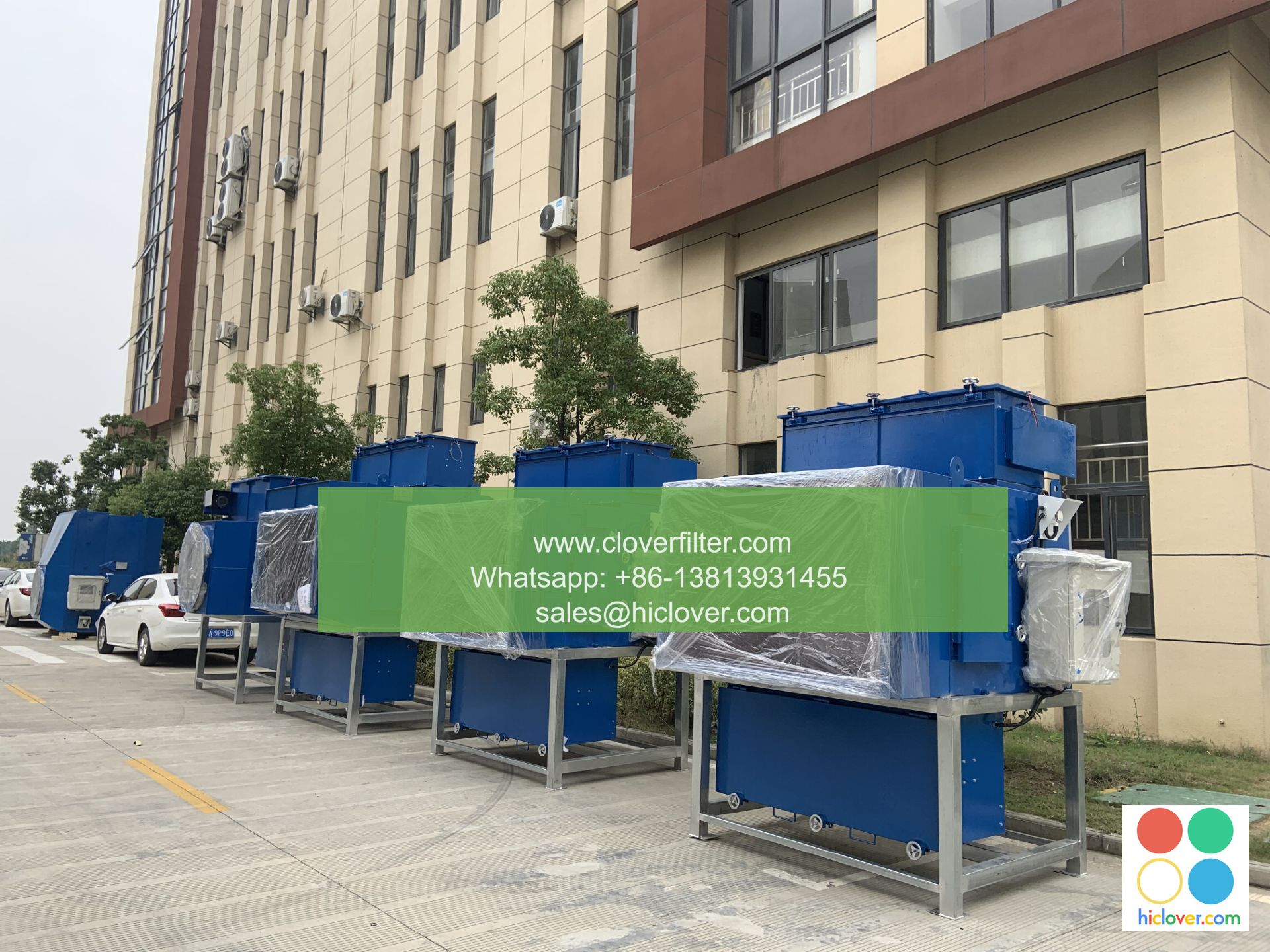
As concerns about air quality and environmental sustainability continue to grow, research institutions like UCLA are leveraging advanced technologies to address these issues. One such technology, automatic roll air filters, plays a critical role in enhancing the quality of research conducted in UCLA’s various environmental science programs.
Understanding Automatic Roll Air Filters

Automatic roll air filters are innovative devices that provide optimal air filtration in laboratory and field settings. By continuously collecting and rolling out fresh filter material, these systems ensure that air quality remains high, which is essential for accurate scientific measurements and experiments. Their importance in environmental monitoring and clean air research cannot be overstated.
Applications in Environmental Science Research
1. Air Quality Monitoring
One of the primary applications of automatic roll air filters at UCLA is in the real-time monitoring of air quality. Researchers utilize these filters to capture particulate matter and pollutants in urban and rural settings, allowing for comprehensive data analysis. This data can inform policies and interventions aimed at reducing air pollution.
2. Climate Change Studies
UCLA’s environmental scientists also apply automatic roll air filters in their climate change research. Understanding how aerosols and greenhouse gases interact with the atmosphere is essential for predicting climate models. The filters help in collecting precise samples, thereby enhancing the reliability of climate change data.

3. Ecosystem Health Assessments
Another remarkable application of these filters is in assessing the health of various ecosystems. By monitoring air quality and the presence of harmful substances, researchers can gauge the impact of air pollution on flora and fauna. This is vital for conservation efforts, particularly in sensitive regions surrounding UCLA.
Advantages of Using Automatic Roll Air Filters
There are several advantages to using automatic roll air filters in environmental research, including:
- Continuous Operation: Unlike traditional filters that require frequent replacement, automatic roll systems can operate continuously, reducing downtime.
- Enhanced Sampling Efficiency: Researchers can collect more comprehensive data over extended periods, leading to better conclusions.
- Cost-Effectiveness: While the initial investment may be higher, the long-term cost savings from reduced maintenance and material costs make them economically viable.
A Collaborative Effort in Environmental Science
The integration of automatic roll air filters in UCLA’s research initiatives exemplifies a collaborative effort to advance environmental science. Researchers, engineers, and students work together to design innovative solutions that not only improve air quality but also enhance our understanding of complex environmental issues.
Conclusion
With the increasing urgency for effective air quality management and climate research, automatic roll air filters serve as a critical tool in UCLA’s environmental science arsenal. Their application in various research domains—from monitoring air quality to assessing ecosystem health—is vital for driving positive environmental change. As technology continues to evolve, so will the potential of these systems to provide invaluable insights into our planet’s health.
