The Role of CAD in Air Filter Design and Development
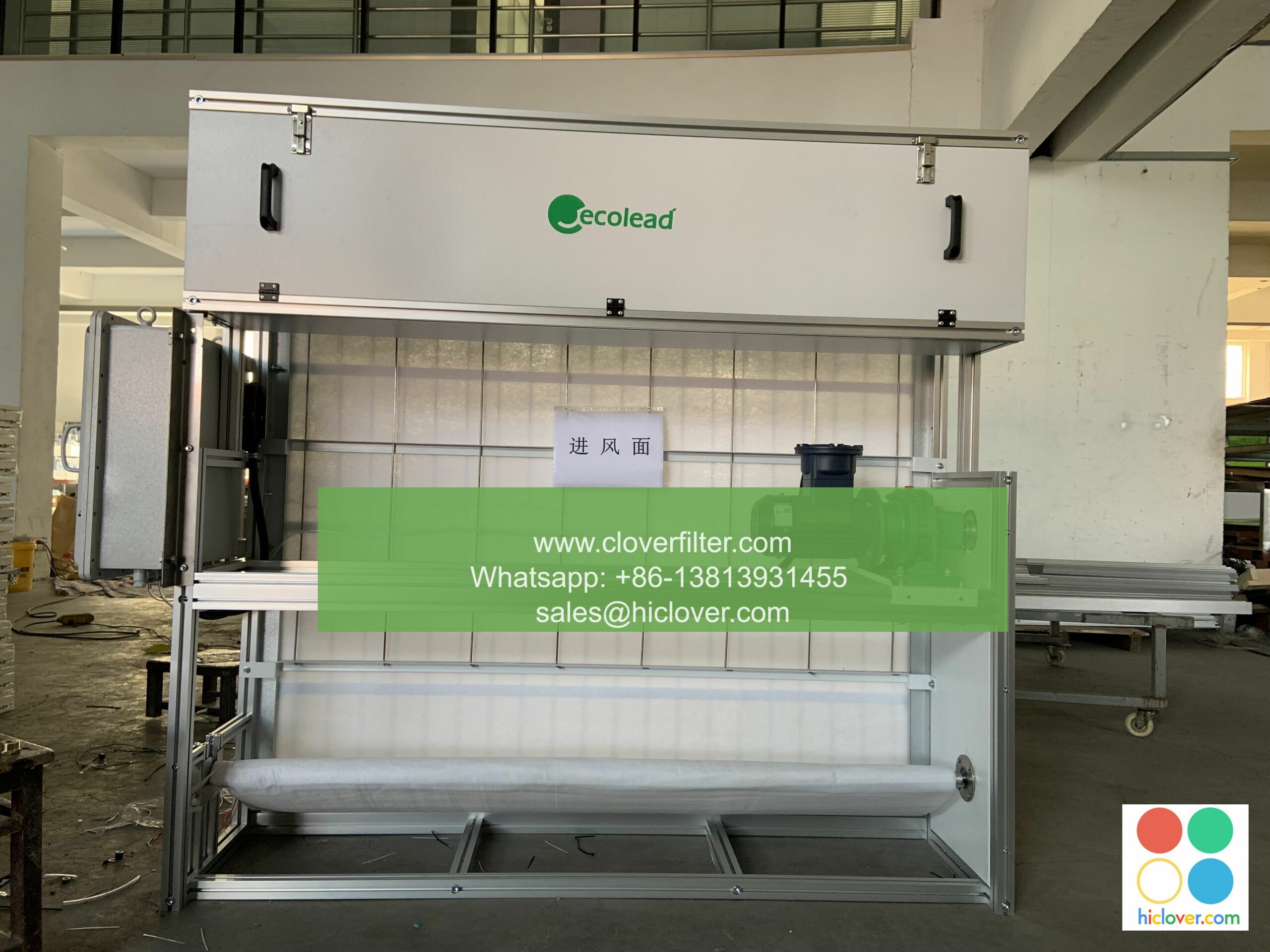
The design and development of air filters have become increasingly complex, with the need for high-performance, energy-efficient, and cost-effective solutions. Computer-Aided Design (CAD) has revolutionized the field of air filter design, enabling engineers to create innovative and optimized filter designs that meet the growing demands of various industries. In this article, we will explore the role of CAD in air filter design and development, highlighting its applications in various areas.
Introduction to CAD in Air Filter Design
CAD software has become an essential tool for air filter designers, allowing them to create 3D models and simulate the behavior of filters under various conditions. By using Finite Element Analysis (FEA) and Computational Fluid Dynamics (CFD), designers can analyze the performance of air filters, identify areas for improvement, and optimize their designs for better efficiency and effectiveness.
Applications of CAD in Air Filter Design
CAD has a wide range of applications in air filter design, including:
* Aerospace Engineering: CAD is used to design high-performance air filters for aircraft and spacecraft, where the filters must operate in extreme environments and meet strict safety standards.
* Industrial Filtration: CAD is used to design filters for industrial processes, such as chemical processing, pharmaceuticals, and food processing, where the filters must meet specific regulatory requirements.
* Automotive Engineering: CAD is used to design air filters for vehicles, where the filters must meet emission standards and provide optimal engine performance.
* Building Services: CAD is used to design air filters for heating, ventilation, and air conditioning (HVAC) systems, where the filters must provide indoor air quality and energy efficiency.
Benefits of CAD in Air Filter Design
The use of CAD in air filter design offers several benefits, including:
* Improved Performance: CAD enables designers to optimize filter designs for better efficiency and effectiveness.
* Reduced Costs: CAD reduces the need for prototyping and testing, resulting in cost savings and faster time-to-market.
* Increased Accuracy: CAD enables designers to create accurate 3D models and simulate the behavior of filters under various conditions, reducing the risk of design errors.

Future of CAD in Air Filter Design
The future of CAD in air filter design is promising, with the increasing use of Artificial Intelligence (AI) and Machine Learning (ML) algorithms to optimize filter designs. The integration of Internet of Things (IoT) sensors and data analytics will also enable real-time monitoring and optimization of air filter performance.
In conclusion, CAD has revolutionized the field of air filter design and development, enabling engineers to create innovative and optimized filter designs that meet the growing demands of various industries. As technology continues to evolve, we can expect to see even more sophisticated applications of CAD in air filter design, leading to improved efficiency, effectiveness, and sustainability. It looks like you haven’t given me a prompt yet. What would you like to talk about? Would you like to:
* Generate a story
* Ask a question
* Play a game
* Discuss a topic
* Something else?
Let me know, and I’ll do my best to help!
