The Role of Filter Cleaning in Air Filter Regulations: Reducing Maintenance Costs
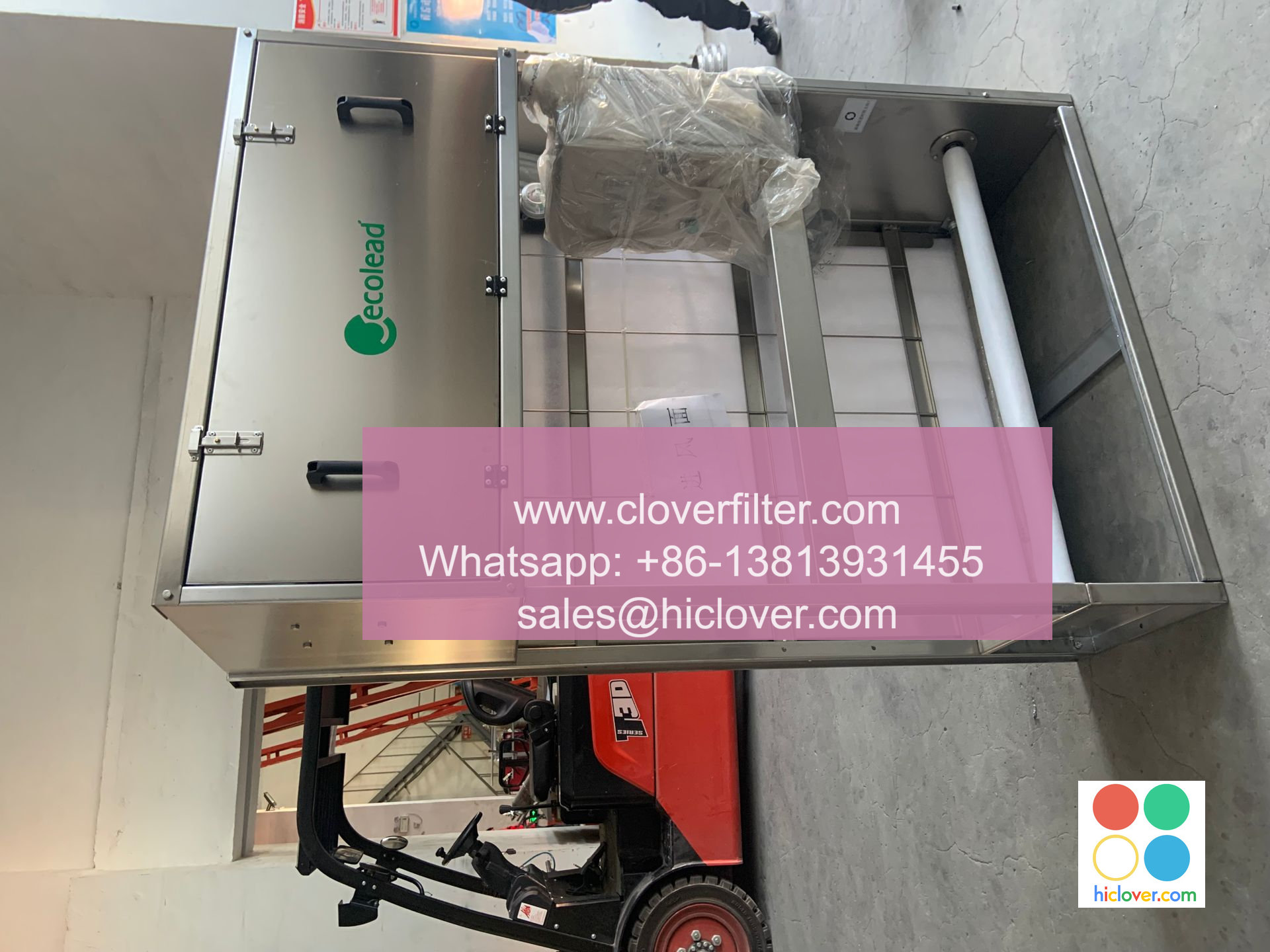
Air filter regulations have become increasingly stringent in recent years, driving the need for effective and efficient filter maintenance strategies. One crucial aspect of air filter maintenance is filter cleaning, which plays a vital role in reducing maintenance costs and ensuring compliance with regulatory requirements. In this article, we will explore the importance of filter cleaning in air filter regulations, highlighting various application areas and discussing the benefits of regular filter cleaning.
Introduction to Air Filter Regulations
Air filter regulations are designed to ensure that air filtration systems operate within specified parameters, minimizing the release of pollutants and particulate matter into the atmosphere. These regulations vary by industry and location, but most require regular testing and maintenance of air filters to ensure their effectiveness. Air pollution control, indoor air quality, and emission standards are all critical aspects of air filter regulations, and filter cleaning is essential for meeting these standards.
The Importance of Filter Cleaning
Filter cleaning is a critical component of air filter maintenance, as it helps to remove dirt, debris, and other contaminants that can accumulate on the filter surface. Filter cleaning methods such as ultrasound cleaning, chemical cleaning, and water cleaning can be used to restore filter efficiency and prolong filter life. Regular filter cleaning can help reduce maintenance costs by minimizing the need for premature filter replacements, reducing energy consumption, and decreasing downtime.
Application Areas for Filter Cleaning
Filter cleaning has numerous applications across various industries, including:
* Industrial air filtration: Filter cleaning is essential for industries such as manufacturing, power generation, and chemical processing, where air filtration systems are critical for maintaining air quality and preventing air pollution.
* Commercial HVAC: Filter cleaning is important for commercial heating, ventilation, and air conditioning (HVAC) systems, where dirty filters can increase energy costs and reduce indoor air quality.
* Residential air filtration: Filter cleaning is also important for residential air filtration systems, where dirty filters can exacerbate allergies and respiratory problems.

Benefits of Regular Filter Cleaning
Regular filter cleaning offers numerous benefits, including:
* Reduced maintenance costs: By minimizing the need for premature filter replacements and reducing energy consumption, regular filter cleaning can help reduce maintenance costs.
* Improved air quality: Clean filters are more effective at removing pollutants and particulate matter, resulting in improved indoor air quality and reduced air pollution.
* Increased filter life: Regular filter cleaning can help prolong filter life, reducing the need for frequent filter replacements.
* Enhanced system performance: Clean filters can improve system performance, reducing downtime and increasing overall system efficiency.
Conclusion
In conclusion, filter cleaning plays a vital role in air filter regulations, reducing maintenance costs and ensuring compliance with regulatory requirements. By highlighting various application areas and discussing the benefits of regular filter cleaning, we can see that filter cleaning is an essential aspect of air filter maintenance. Air filter manufacturers, facility managers, and industrial operators must prioritize regular filter cleaning to ensure the effective and efficient operation of air filtration systems, minimizing air pollution and maintaining indoor air quality. You haven’t asked a question or provided any context for me to respond to. Please provide more information so I can assist you. What would you like to talk about or ask?
