The Role of HEPA Certification in Air Purification
Key Takeaways
- HEPA certification ensures effective particulate filtration.
- Air filter certifications guide selection and regulatory compliance.
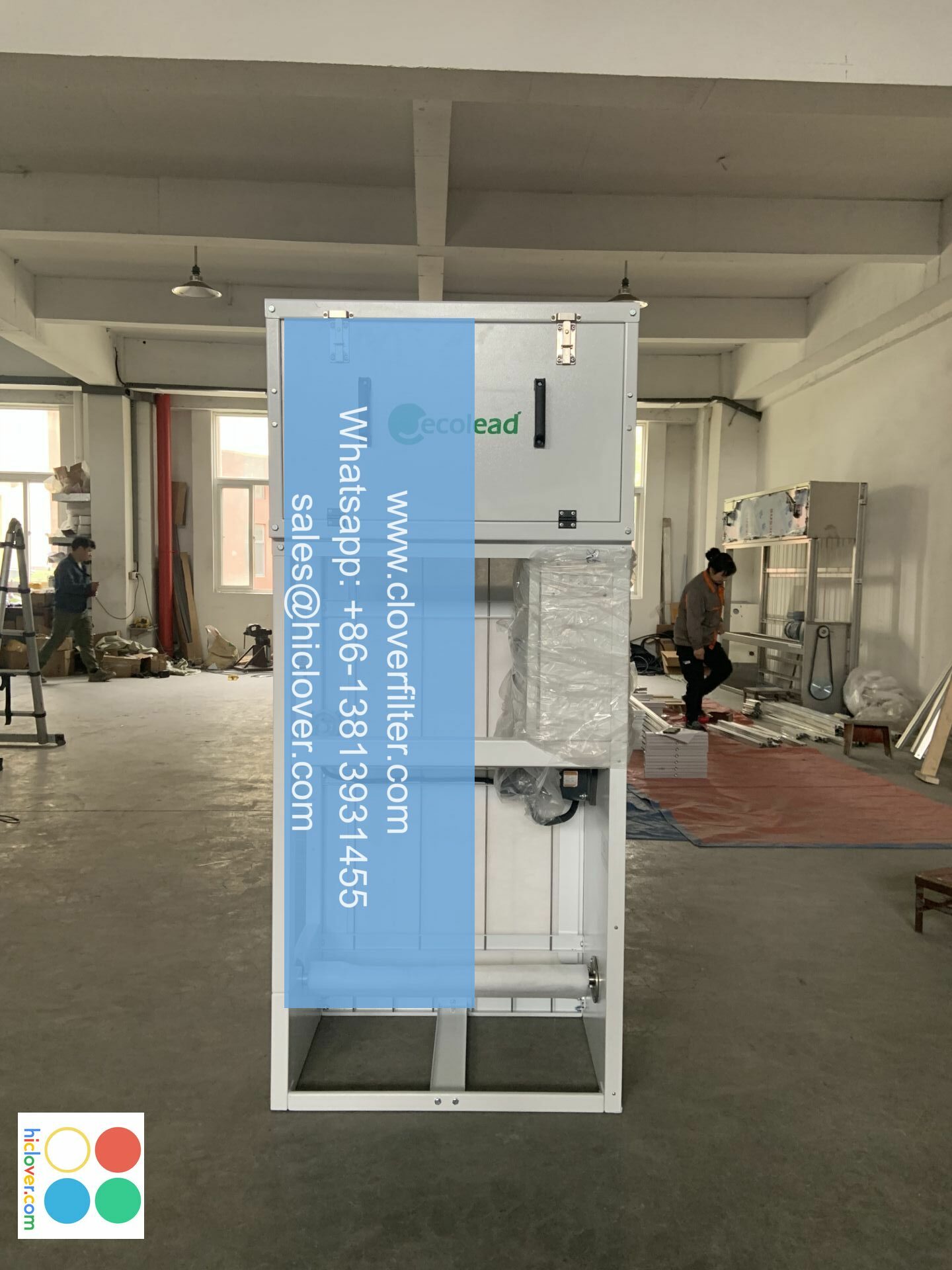
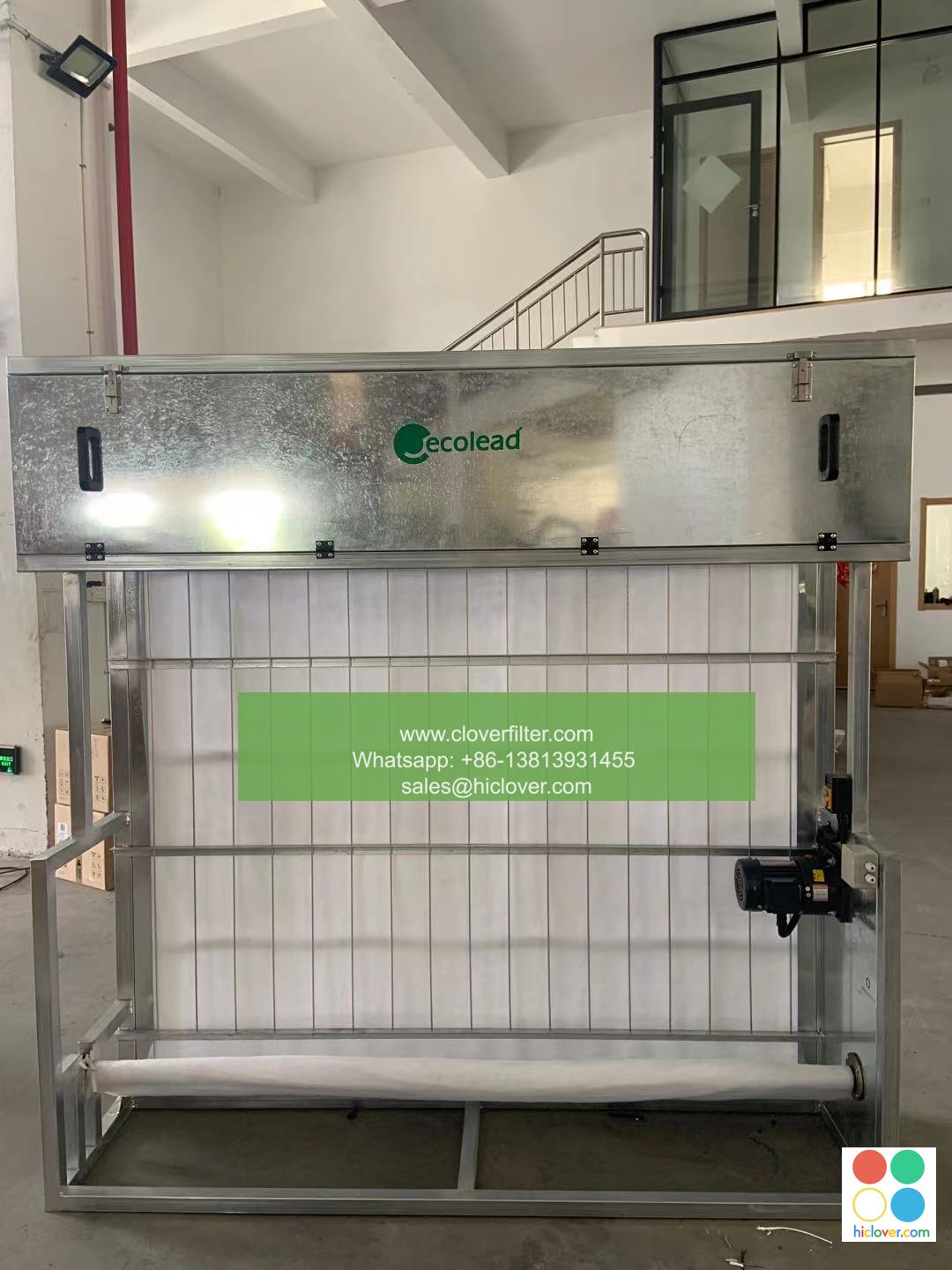
- The Automatic Roll Air Filter advances media automatically to optimize efficiency.
- Correct selection of filters can reduce maintenance and operating costs.
- Compliance with industry standards like ISO 16890 is crucial for effective air quality.
- Understanding the distinction among various filter types aids in proper application.
- Roll Media Advance Logic: Automatically feeds fresh media into the air stream as it becomes dirty.
- Differential Pressure Trigger: Maintains optimal performance by monitoring pressure changes and activating the roll mechanism when necessary.
- Timer Mode: Allows for pre-scheduled media advancement, minimizing operational downtime.
- Airflow Range: Determine the volume of air that the filter will need to handle.
- Face Velocity: Assess the speed at which air passes through the filter. This affects both efficiency and pressure drop.
- Media Width/Length: Choose dimensions based on installation space and airflow needs.
- Frame Size: Ensure that the filter fits in the designated housing.
- Control Options: Options for advanced monitoring and control can improve efficiency.
- Power Supply: Check compatibility with your existing systems.
- Installation Location: Installation sites like fresh air intake or return should accommodate specific filter types and orientations.
- Failing to consider airflow requirements before selecting a filter.
- Neglecting the impact of filter face velocity on filter life and performance.
- Assuming all filters have the same efficiency without checking certifications.
- Overlooking installation location implications on performance.
- Ignoring maintenance schedules which can lead to reduced efficiency.
- Not integrating the filter system with overall HVAC design.
- Choosing a filter based solely on price instead of performance metrics.
- Misjudging replacement intervals, leading to increased operational costs.
- Lack of awareness regarding differential pressure monitoring.
- Underestimating the importance of air filter certifications.

Understanding Air Filter Certifications
Air filter certifications are essential indicators of a filter’s efficiency and reliability. For procurement managers and HVAC engineers, understanding these certifications can guide the selection of air filtration systems that meet operational needs. HEPA (High-Efficiency Particulate Air) filters are among the most recognized certifications, ensuring that the filters can capture at least 99.97% of particulate matter that is 0.3 microns in size. This capability is particularly essential in environments such as hospitals, cleanrooms, and facilities with sensitive operations.
What is an Automatic Roll Air Filter?
The Automatic Roll Air Filter is an innovative solution designed to enhance the filtration process in HVAC systems. This system utilizes an advanced roll media that automatically advances, driven by a differential pressure trigger. When the pressure drop across the filter exceeds a specified threshold, a timer mode activates, rolling out fresh media to replace the spent portion, ensuring continuous efficient operation.
How It Works
The Automatic Roll Air Filter is perfect for various applications, including fresh air intakes, make-up air systems, and return air systems in Air Handling Units (AHUs).
Practical Selection Guide for Filters
When selecting an air filter, consider the following parameters:
Comparison of Filter Types
| Filter Type | Best Use Case | Maintenance | Pressure Drop Behavior | Operating Cost | Typical Risk/Downside |
|---|---|---|---|---|---|
| Automatic Roll Air Filter | Continuous operations | Low due to automation | Variable, adjustable | Moderate | Initial cost may be higher than others |
| Bag Filter | Industrial & energy-saving | Moderate | Stable | Low | Requires manual handling |
| Panel Filter | General use | Low | Low | Low | Limited filtration performance |
| V-bank | Space-constrained | Moderate | Varied but efficient | Moderate | Risk of collapse if not properly maintained |
Common Mistakes & How to Avoid Them
Real-World Scenarios
Data Center
In a data center, the Automatic Roll Air Filter was installed to ensure constant airflow while managing particulate contamination. The pre-filtering mechanism kept IT equipment cool and operational, all while reducing the energy costs associated with regular filter changes.
Lithium Battery Factory
The facility implemented the roll air filter solution to control particulates generated during battery assembly. By maintaining clean indoor air quality, compliance with safety and health regulations was enhanced, leading to a smoother production process.
Paint Shop
In the paint application area, an Automatic Roll Air Filter was crucial for capturing volatile organic compounds (VOCs) and particulates. Periodic monitoring ensured the air quality met environmental regulations while maintaining the integrity of product finishes.
Textile Steel/Cement Plant
In this setting, robust filtration was essential for mitigating airborne dust and contaminants. The continuous operation of the roll media filter reduced downtime by minimizing maintenance frequency and ensuring consistent air quality.
The Importance of Compliance and Standards
To maximize the effectiveness of air filtration systems, it’s essential to understand various compliance standards. Concepts such as ISO 16890, MERV (Minimum Efficiency Reporting Value), and the legacy of EN 779 provide frameworks for assessing filter performance. However, check for specific filter certifications with manufacturers, like CloverFilter, to ensure compliance with your particular industry standards. Certification details are available upon request.
For facilities looking to enhance their air filtration systems, a reliable supplier like CloverFilter can offer tailored solutions, including the Automatic Roll Air Filter.
Conclusion
In summary, air filter certifications, particularly HEPA, play a vital role in ensuring that your filtration systems are efficient and effective. Understanding how filters like the Automatic Roll Air Filter from CloverFilter work and their applications can significantly enhance air quality while controlling operational costs. The right selection and maintenance strategy will ensure that air quality regulations are met, and productivity remains high.
Meta Description: Explore HEPA certification’s role in air purification and optimize your filters for efficiency with CloverFilter’s Automatic Roll Air Filter.
For personalized air filtration solutions and support, contact CloverFilter today at CloverFilter Contact.
It seems like you entered just the word “Prompt.” Could you please provide more details or clarify what you would like assistance with? Are you looking for a writing prompt, a question to ask, or something else?
