The Role of Technology in Air Filter Contact Product Design
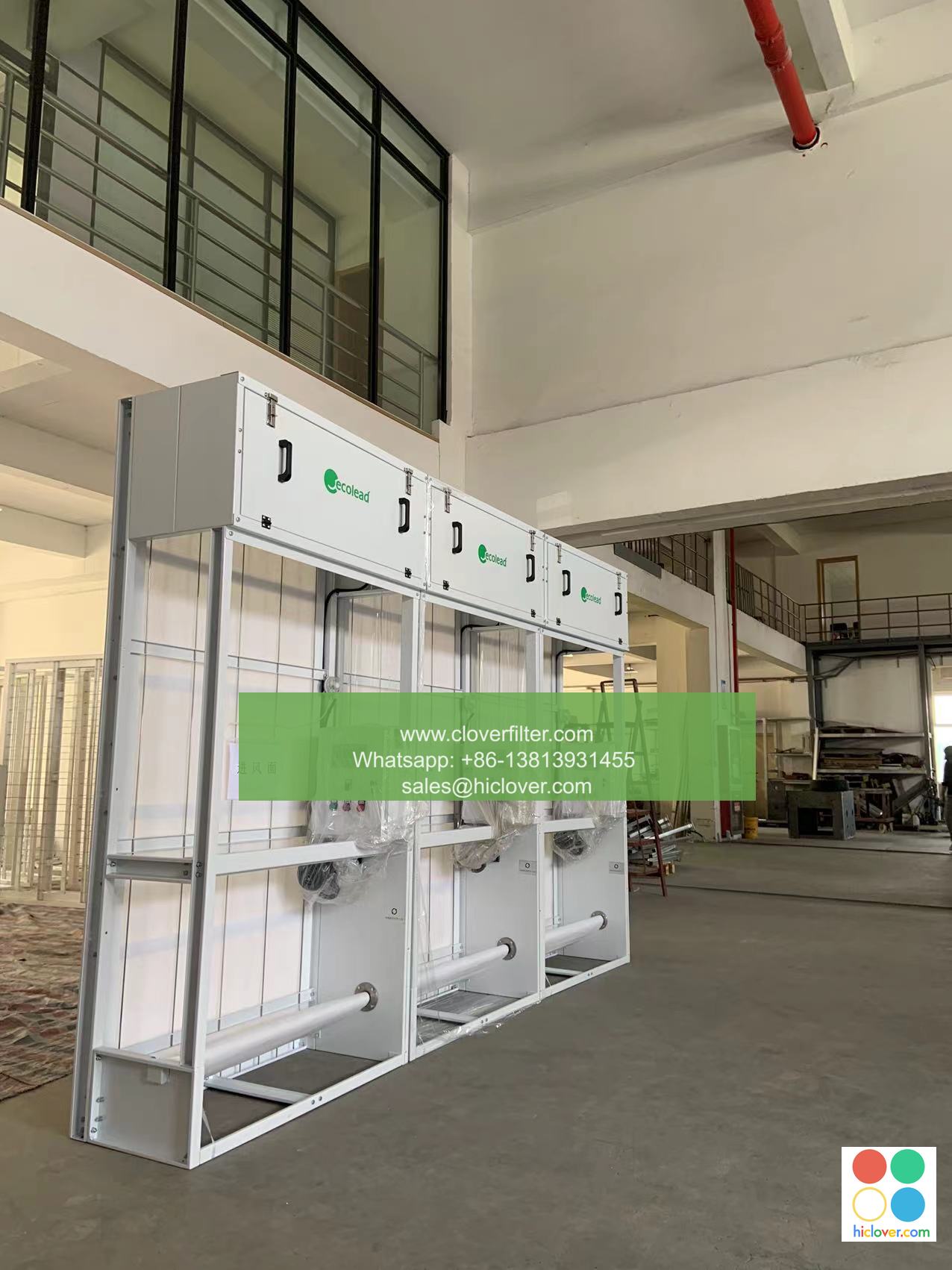
The integration of technology in air filter contact product design has revolutionized the way we approach air purification and filtration. With the increasing awareness of indoor air quality and its impact on human health, the demand for efficient and effective air filter contact products has grown significantly. In this article, we will explore the role of technology in air filter contact product design, highlighting various application areas and key trends.
Advancements in Materials Science
The development of new materials with enhanced properties has been a significant driver of innovation in air filter contact product design. Nanotechnology and membrane technology have enabled the creation of filters with improved efficiency, durability, and sustainability. For instance, nanofiber-based filters can capture particles as small as 0.3 microns, making them ideal for applications where high filtration efficiency is critical.
Computational Fluid Dynamics (CFD) and Simulation
The use of computational fluid dynamics (CFD) and simulation tools has become increasingly prevalent in air filter contact product design. These tools enable designers to model and simulate airflow patterns, pressure drops, and filtration efficiency, allowing for the optimization of filter design and performance. By leveraging CFD and simulation, manufacturers can reduce prototyping costs, accelerate product development, and improve overall filter performance.
Application Areas
Air filter contact products have a wide range of applications across various industries, including:
* HEPA filtration systems for commercial and residential buildings
* Industrial air purification systems for manufacturing and processing facilities
* Automotive air filtration systems for vehicles
* Medical air purification systems for hospitals and healthcare facilities
* Portable air purifiers for personal use

Smart Sensors and IoT Integration
The integration of smart sensors and IoT technology has enabled the development of intelligent air filter contact products that can monitor and respond to changing environmental conditions. These sensors can detect particulate matter (PM), volatile organic compounds (VOCs), and other pollutants, providing real-time feedback and enabling optimal filter performance.
Key Trends
Some key trends driving the development of air filter contact products include:
* Sustainability and energy efficiency: The use of eco-friendly materials and energy-efficient designs is becoming increasingly important.
* Increased focus on indoor air quality: The growing awareness of indoor air pollution is driving demand for effective air filter contact products.
* Advancements in nanotechnology and membrane technology: These technologies are enabling the development of more efficient and effective filters.
Conclusion
In conclusion, technology has played a vital role in the development of air filter contact products, enabling the creation of more efficient, effective, and sustainable solutions. As the demand for clean air continues to grow, the integration of materials science, CFD and simulation, smart sensors, and IoT technology will remain critical in shaping the future of air filter contact product design. By leveraging these technologies, manufacturers can create innovative solutions that meet the evolving needs of various industries and applications, ultimately improving indoor air quality and promoting a healthier environment. You haven’t asked a question or provided any context for me to respond to. Please provide more information or ask a question, and I’ll do my best to assist you.
