The Science Behind Activated Carbon Filters: What You Need to Know
Key Takeaways
- Activated carbon filters excel in capturing volatile organic compounds (VOCs) and odors.
- The Automatic Roll Air Filter offers advanced air filter technology for efficient particulate control.
- Proper selection based on airflow, face velocity, and media dimensions is crucial for optimal performance.
- Understanding the maintenance and operating costs can lead to significant savings.
- Compliance with standards like ISO 16890 enhances air quality assurance.
- Common mistakes in filter selection can lead to inefficiency; foreknowledge is key.
- Real-world applications show the versatility and effectiveness of air filter technologies.
-
Roll Media Advance Logic: The filter media is stored on a roll and advances automatically as it becomes saturated. This feature minimizes manual labor and ensures continuous operation.
-
Differential Pressure Trigger: A pressure sensor monitors the drop in airflow, signaling when the filter should be advanced. This sensor helps in maintaining performance and air quality.
-
Timer Mode: In addition to pressure monitoring, a scheduled timer can be set to advance the roll media at predetermined intervals, making proactive maintenance achievable.
- Airflow Range: Ensure compatibility with your system’s volumetric flow.
- Face Velocity: Match the operating conditions to maintain performance without excessive pressure drop.
- Media Width/Length: Choose dimensions based on installation constraints and desired coverage.
- Frame Size: Ensure that the frame fits appropriately within your AHU or filter housing.
- Control Options: Opt for advanced control systems that integrate seamlessly within existing HVAC controls.
- Power Supply: Consider requirements for the advancement system, ensuring availability of power sources.
- Installation Location: Optimal placements include fresh air intake, return locations, or process specific zones.
- Not considering airflow requirements: Always match filters to system specifications.
- Ignoring pressure drop implications: Understand how your filter choice impacts system performance.
- Overlooking maintenance needs: Plan installation for easy access to the filter.
- Selecting the wrong size: Ensure that dimensions fit the specified housing parameters.
- Neglecting applicable standards: Ensure awareness of relevant compliance like ISO 16890.
- Failing to factor operating costs: Calculate the total cost of ownership, not just initial investment.
- Disregarding application-specific needs: Tailor filter selection to the unique requirements of your environment.
- Underestimating actual air quality risks: Conduct thorough assessments before filter selection.
- Choosing filters based on cost alone: Prioritize efficiency and effectiveness over initial purchase price.
- Relying solely on past experiences: Keep updated with the latest technologies and standards.
-
Data Center: Implementing an Automatic Roll Air Filter ensures optimal cooling by maintaining low particulate levels, allowing for uninterrupted operations and reduced risk of equipment failure.
-
Battery Factory: With stringent cleanliness requirements, this filter technology efficiently captures harmful VOCs, ensuring worker safety and compliance with health regulations.
-
Paint Shop: The Automatic Roll Air Filter minimizes overspray particles and odors, creating a healthier work environment while improving product quality.
-
Textile/Steel/Cement Plant: These facilities benefit from the filter’s ability to manage high particulate loads and ensure regulatory compliance, ultimately reducing maintenance needs and costs.

Understanding Air Filter Technology
Air filter technology plays a vital role in maintaining indoor air quality across various industrial applications. Activated carbon filters, specifically, are designed to adsorb gaseous pollutants such as Volatile Organic Compounds (VOCs) and unpleasant odors, enhancing the efficacy of HVAC systems in settings like data centers, hospitals, and manufacturing facilities. Among the leading products in this category is the Automatic Roll Air Filter from CloverFilter, which utilizes innovative features to improve filtration efficiency and reduce maintenance needs.

What is an Automatic Roll Air Filter?
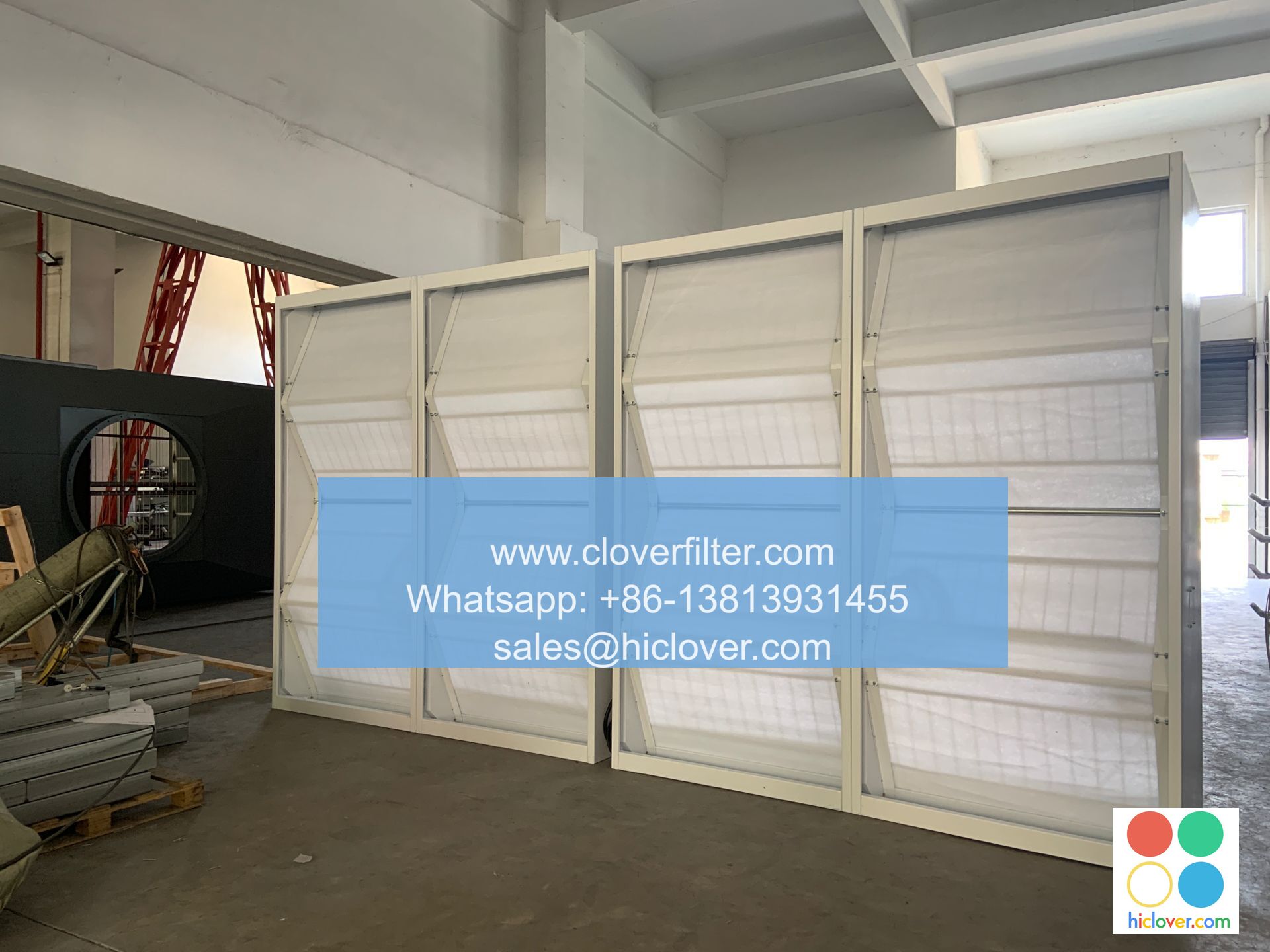
An Automatic Roll Air Filter employs a roll media advancement system to automatically adjust the filter replacement process. It utilizes a differential pressure trigger to determine when to advance the filter media, ensuring optimal performance and avoiding unnecessary filter changes. With timer modes available, this system can operate seamlessly within your HVAC or air handling unit (AHU), providing reliable particle control while maintaining fresh air intake.
How It Works
Practical Selection Guide
When considering the Automatic Roll Air Filter, evaluate the following parameters for optimal selection:
Comparison Table: Filter Types
| Filter Type | Best Use Case | Maintenance | Pressure Drop Behavior | Operating Cost | Typical Risk/Downside |
|---|---|---|---|---|---|
| Automatic Roll Air Filter | High-efficiency environments | Low; auto-advancement | Consistent with low drop | Moderate; high ROI | Initial investment higher |
| Bag Filter | General particulate filtration | Moderate; manual change | Moderate-pressure drop | Low; simple design | Higher maintenance frequency |
| Panel Filter | Standard applications | Low; easy change | Low-pressure drop | Very economical | Limited lifespan |
| V-bank Filter | High particulate load | Moderate; manual change | High-pressure drop | Variable; depends on load | Higher upfront costs |
Common Mistakes & How to Avoid Them
Real-World Scenarios
Compliance and Standards
When considering compliance, it is essential to be aware of industry frameworks such as ISO 16890 and the MERV concept. While CloverFilter products do not claim specific certifications without request, they are designed to meet and exceed the expectations set by these standards, thus ensuring reliable performance across various applications.
In conclusion, the Automatic Roll Air Filter from CloverFilter represents cutting-edge air filter technology that enhances air quality while offering cost-effective solutions for diverse industrial applications. For further inquiries or expert guidance, contact CloverFilter at CloverFilter Contact.
Meta Description: Discover the science behind activated carbon filters like CloverFilter’s Automatic Roll Air Filter, enhancing air quality with innovative air filter technology.
For expert advice on selecting the right filter solution for your facility, reach out to CloverFilter at CloverFilter Contact.
It seems like your message was incomplete. Could you please provide more details or clarify what you’d like to know or discuss? I’m here to help!
