The Science Behind Air Filter Converters: How They Improve Air Quality
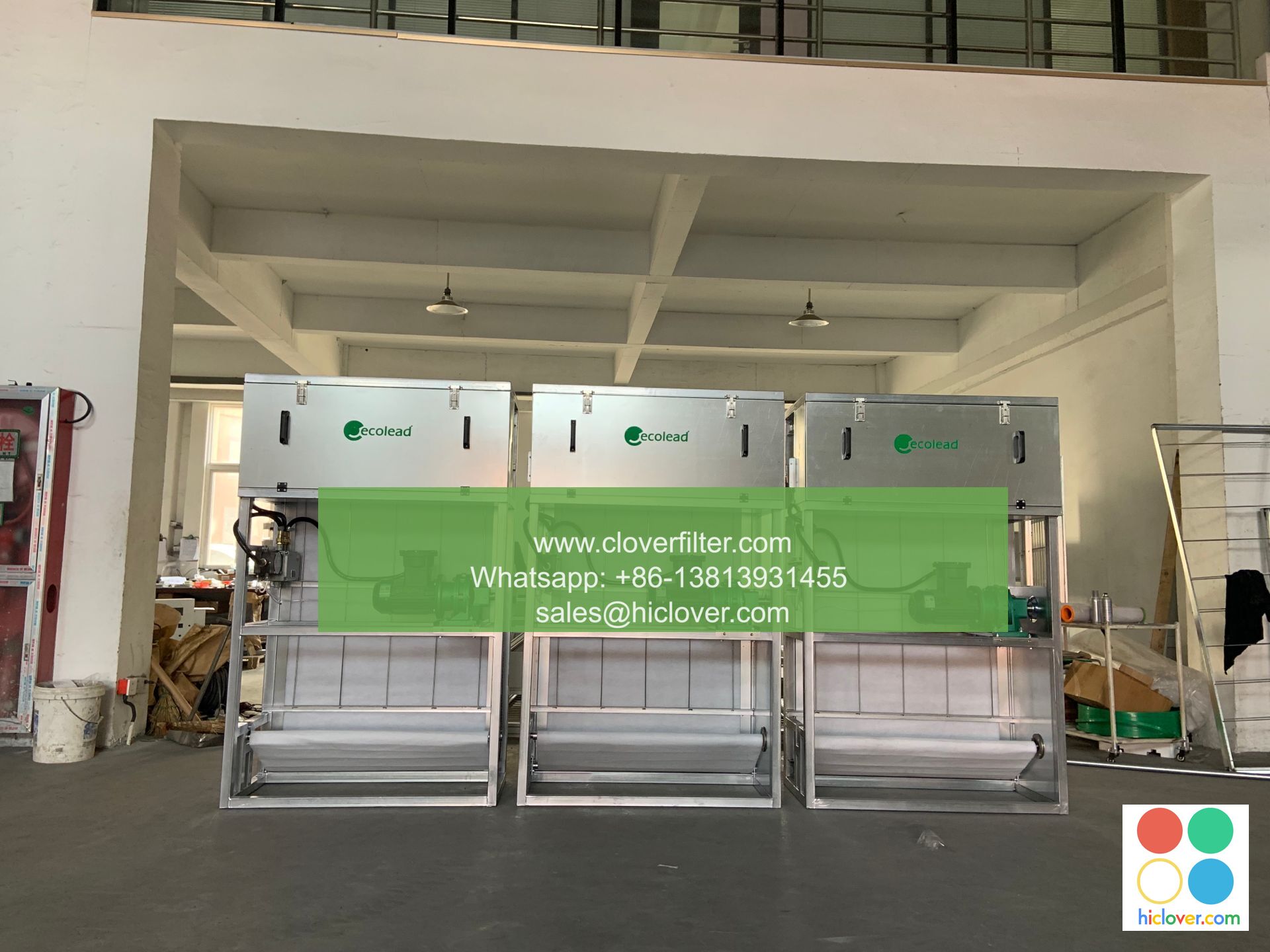
As we become increasingly aware of the detrimental effects of air pollution on our health and environment, the demand for effective air purification technologies has never been greater. Air filter converters have emerged as a revolutionary solution that combines advanced filtration technology with innovative conversion mechanisms to enhance indoor air quality.
What Are Air Filter Converters?

Air filter converters are devices designed to not only filter out harmful particles, allergens, and pollutants from the air but also to chemically transform these contaminants into less harmful substances. Covering a broad spectrum of applications—from residential to commercial and industrial settings—these devices have become essential components in modern air quality management systems.
The Mechanism of Action
The primary working principle of air filter converters lies in two key processes: filtration and conversion. Firstly, air is drawn through a mechanical filter that captures large particles like dust, pollen, and pet dander. Next, the air passes through a catalytic converter, which employs advanced materials to break down harmful gases such as volatile organic compounds (VOCs), ozone, and nitrogen oxides into harmless byproducts. This dual-action approach sets air filter converters apart from traditional air purifiers.
Applications of Air Filter Converters
Air filter converters are versatile devices that can be deployed in various environments to enhance air quality. Here are some key application areas:
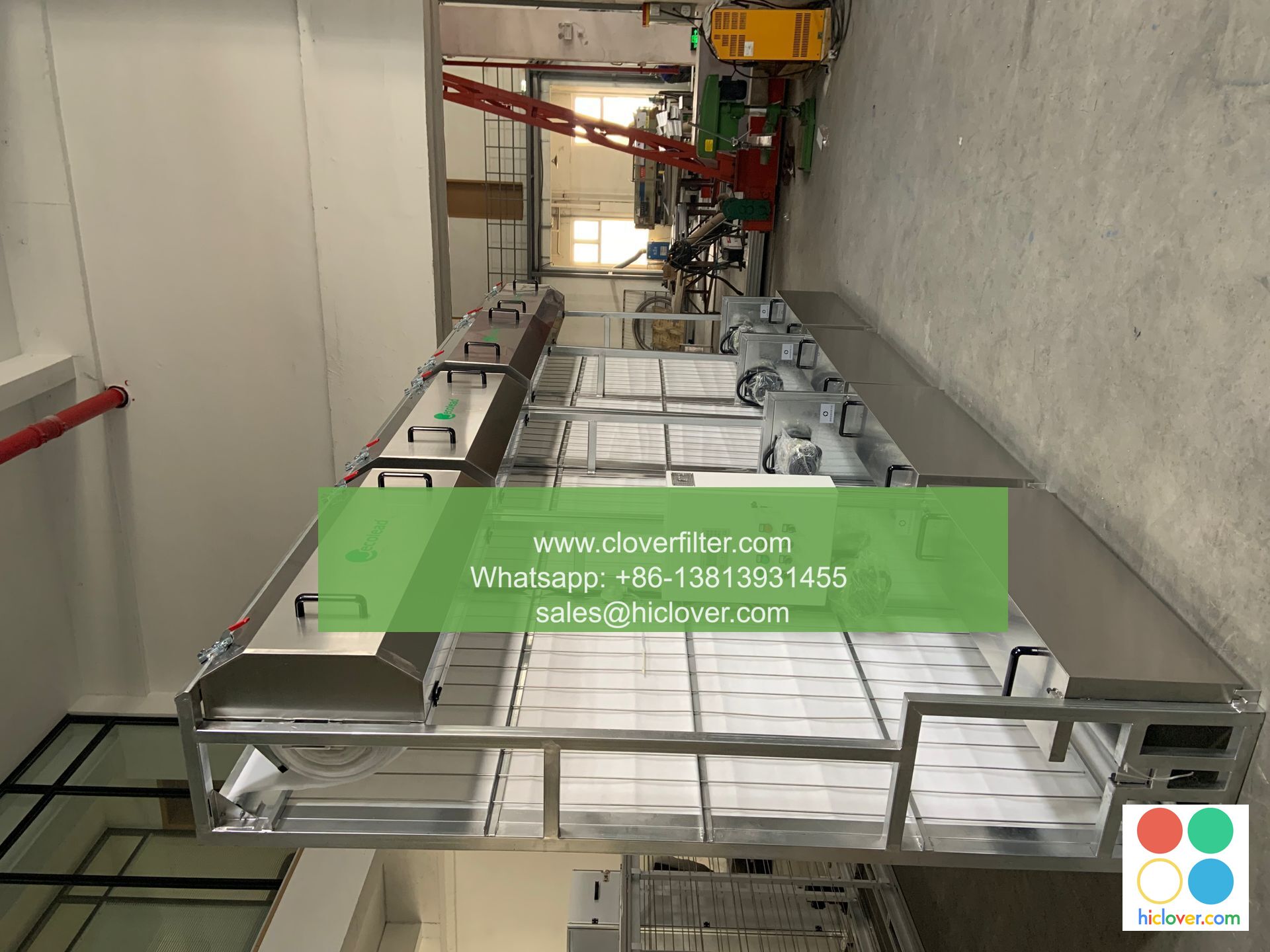
Residential Use
In homes, air filter converters help reduce indoor air pollution. They effectively capture allergens and other particulates, significantly benefiting individuals with respiratory conditions such as asthma or allergies. Furthermore, these devices help eliminate odors and harmful gases, contributing to a healthier living space.
Commercial Buildings
Businesses, particularly those in the healthcare and hospitality industries, make significant use of air filter converters. In hospitals, these devices can help maintain sterile environments by minimizing airborne infections. In hotels and restaurants, improved air quality enhances customer satisfaction and employee well-being.
Industrial Applications
Industries often deal with various toxic pollutants. Air filter converters play a critical role in mitigating the risk of harmful emissions entering the atmosphere. They are used in manufacturing plants, laboratories, and even automotive facilities to ensure compliance with environmental standards and protect worker health.
Benefits of Using Air Filter Converters
Integrating air filter converters into air quality management can deliver numerous benefits:
- Enhanced filtration of airborne particles and pathogens.
- Reduction of harmful gases and VOCs, leading to a safer environment.
- Improved overall air quality, promoting better health among inhabitants.
- Energy efficiency, as many of these devices are designed to operate with lower energy consumption.
Conclusion
As we continue to confront the challenges posed by air pollution, understanding the science behind air filter converters is crucial. Their ability to filter and convert pollutants not only enhances air quality but also contributes significantly to public health. With applications spanning from homes to industrial settings, air filter converters represent a vital innovation for creating cleaner, safer air for everyone.
Sure! What kind of prompt are you looking for? It could be for writing, a creative project, a discussion topic, or something else entirely. Let me know what you need!
