The Science Behind Air Filter Converters: How They Remove Gases and Chemicals
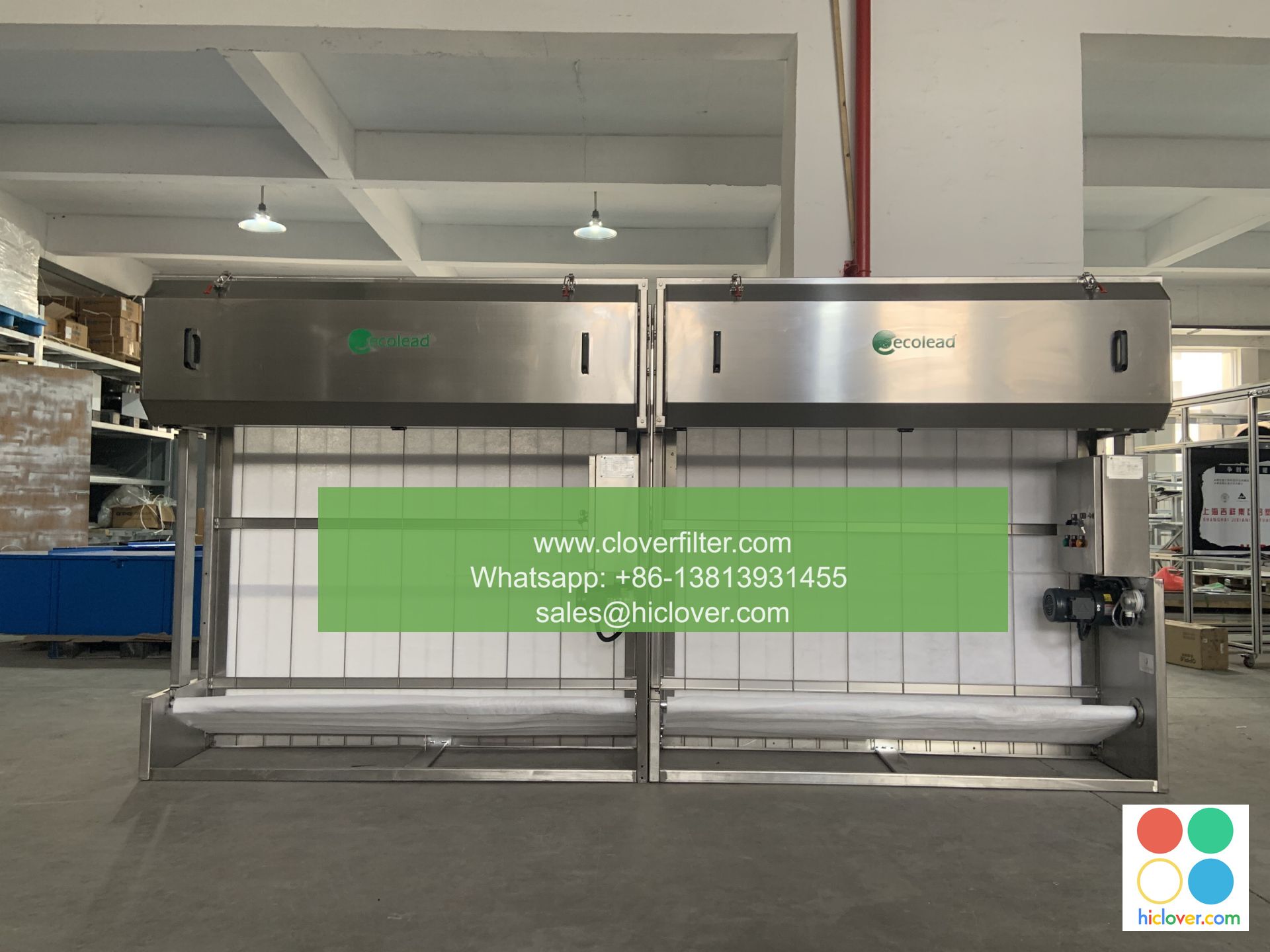
In an era where air quality is increasingly compromised by pollution and chemical emissions, air filter converters have emerged as vital components in improving indoor and outdoor environments. Understanding the science behind these devices is essential for maximizing their effectiveness and applying them properly.
What Are Air Filter Converters?

Air filter converters are advanced filtration devices designed to eliminate harmful gases and chemicals from the air. They operate on principles of physical filtration, chemical reaction, and adsorption.
When air passes through these filters, various physical and chemical processes work together to ensure that pollutants are captured and converted into harmless substances.
The Mechanisms of Gas and Chemical Removal
The primary mechanisms through which air filter converters operate include:
1. Physical Filtration
This is the first line of defense in an air filter converter. The device uses filters made from HEPA (High-Efficiency Particulate Air) materials, which capture particulate matter, including dust and allergens. However, when it comes to gases and volatile organic compounds (VOCs), physical filtration alone is not enough.
2. Chemical Reaction
Many air filter converters contain activated carbon or zeolite materials. These substances undergo chemical reactions when gases come into contact with them. For instance, activated carbon adsorbs gases like formaldehyde and benzene, neutralizing them through chemical bonding processes.
3. Adsorption
Adsorption is an essential process wherein gases adhere to the surface of the filter material. Activated carbon is particularly effective in this regard. The intricate network of pores on its surface provides an extensive area for gas molecules to adhere, which effectively reduces their concentration in the air we breathe.
Application Areas of Air Filter Converters
The versatility of air filter converters allows their application in various environments, each with specific requirements. Some notable applications include:
1. Residential Use
Homeowners utilize air filter converters to combat indoor air pollution. These devices help filter out allergens, smoke, and chemicals from household products, improving overall indoor air quality.
2. Commercial Buildings
In commercial settings, air filter converters are essential for maintaining a healthy workspace. They play a crucial role in areas like offices, gyms, and shopping malls, where high foot traffic often leads to increased contaminants in the air.
3. Industrial Applications
Industries such as manufacturing and chemical processing generate considerable amounts of harmful gases. Here, specialized air filter converters can effectively reduce emissions and meet regulatory standards, promoting environmental health.
4. Automotive Industry
Automobiles employ air filter converters to trap harmful emissions and improve passenger air quality. By utilizing catalytic converters, these filters not only help to reduce harmful gases but also convert them into less harmful substances before being released into the atmosphere.
The Importance of Regular Maintenance
Like any mechanical component, the effectiveness of air filter converters hinges on regular maintenance. Filters can become saturated with pollutants, diminishing their ability to function effectively. Replacing or regenerating filters on a scheduled basis ensures that they provide optimal performance.
Conclusion
Understanding the science behind air filter converters and their effectiveness in removing gases and chemicals is crucial for improving air quality across various environments. From residential homes to industrial settings, these devices make the air safer to breathe. By investing in high-quality air filter converters and maintaining them properly, individuals and organizations can significantly enhance the air quality of their surroundings, contributing to a healthier lifestyle.
It seems like your message was cut off. Could you please provide more details or clarify what you would like to discuss or ask about? I’m here to help!
