The Science Behind Air Filter Efficiency: Understanding Air Flow for Commercial Buildings
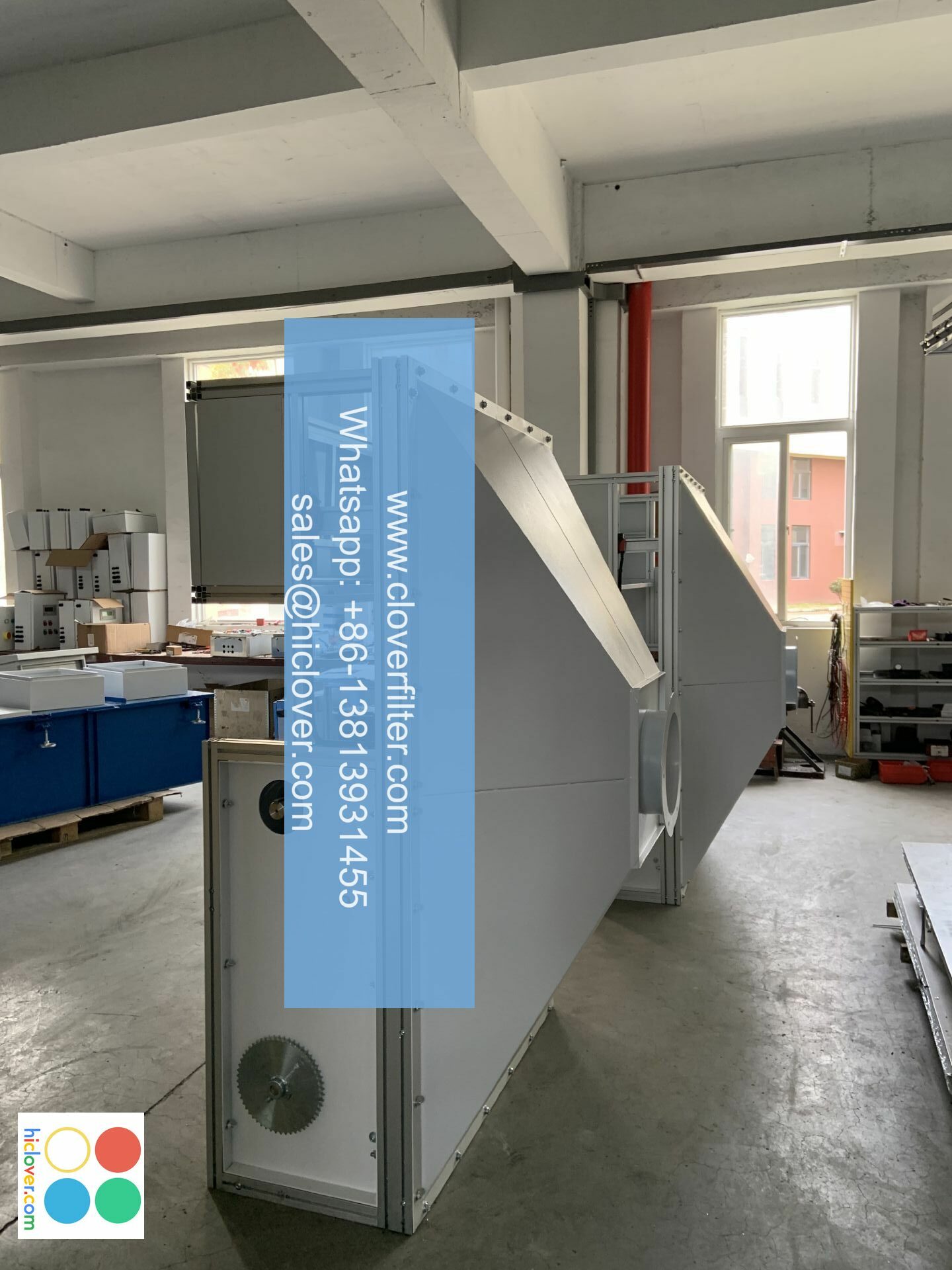
In the world of commercial buildings, air quality is paramount. The role of air filters cannot be overstated, as they are the first line of defense against airborne pollutants. Understanding the science behind air filter efficiency, along with airflow dynamics, is crucial for ventilation systems in both offices and industrial spaces.
The Importance of Air Quality in Commercial Spaces

Maintaining good air quality in commercial buildings is essential for several reasons:
- Health: Poor air quality can lead to a range of health issues, including respiratory problems and allergies.
- Productivity: Studies show that healthier environments contribute to increased productivity among employees.
- Energy Efficiency: Efficient air filters can significantly impact the energy consumption of HVAC systems.
Understanding Air Filter Efficiency
Air filter efficiency is often measured by its ability to remove particles from the air, expressed through the Minimum Efficiency Reporting Value (MERV) rating. A higher MERV rating indicates superior filtering capabilities.

How MERV Ratings Affect Commercial Operations
In commercial buildings, selecting the right air filter involves a balance between filtering efficiency and airflow:
- High MERV Ratings: Filters with MERV 13-16 are effective for hospital settings and laboratories but can restrict airflow.
- Moderate MERV Ratings: Filters rated MERV 8-12 are often suitable for general office environments, striking a balance between air quality and comfort.
Airflow Dynamics: The Path to Efficient Filtration
Understanding airflow dynamics is critical for optimizing air filter performance. Here are some key factors to consider:
1. Duct Design
The design of duct systems can significantly affect airflow efficiency. Poorly designed ducts can cause turbulence, increasing resistance and impacting filtration.
2. Air Changes per Hour (ACH)
Determining the appropriate ACH is essential for maintaining good air quality. A higher ACH can lead to better air filtration but may also increase energy costs.
3. Filter Positioning
Filters should be strategically placed within the HVAC system to maximize their effectiveness. Positioning filters at the intake can capture larger particles before they enter the system.
Applications of Efficient Air Filters
Efficient air filtration systems are essential in various commercial applications, including:
- Healthcare Facilities: Hospitals require HEPA filters to protect vulnerable patients from pathogens.
- Food Processing Plants: Air filters help maintain hygiene standards by removing contaminants.
- Educational Institutions: Schools can enhance student concentration and health with appropriate air filtration.
Conclusion
Understanding the science behind air filter efficiency and airflow is essential for enhancing indoor air quality in commercial buildings. By focusing on MERV ratings, airflow dynamics, and specific applications, businesses can ensure optimal air quality while maintaining energy efficiency.
It seems like you may have wanted to share a specific prompt or request for assistance. Could you please provide more details or clarify what you’re looking for? I’m here to help!
