The Science Behind Air Filter Efficiency: Understanding Pressure Drop
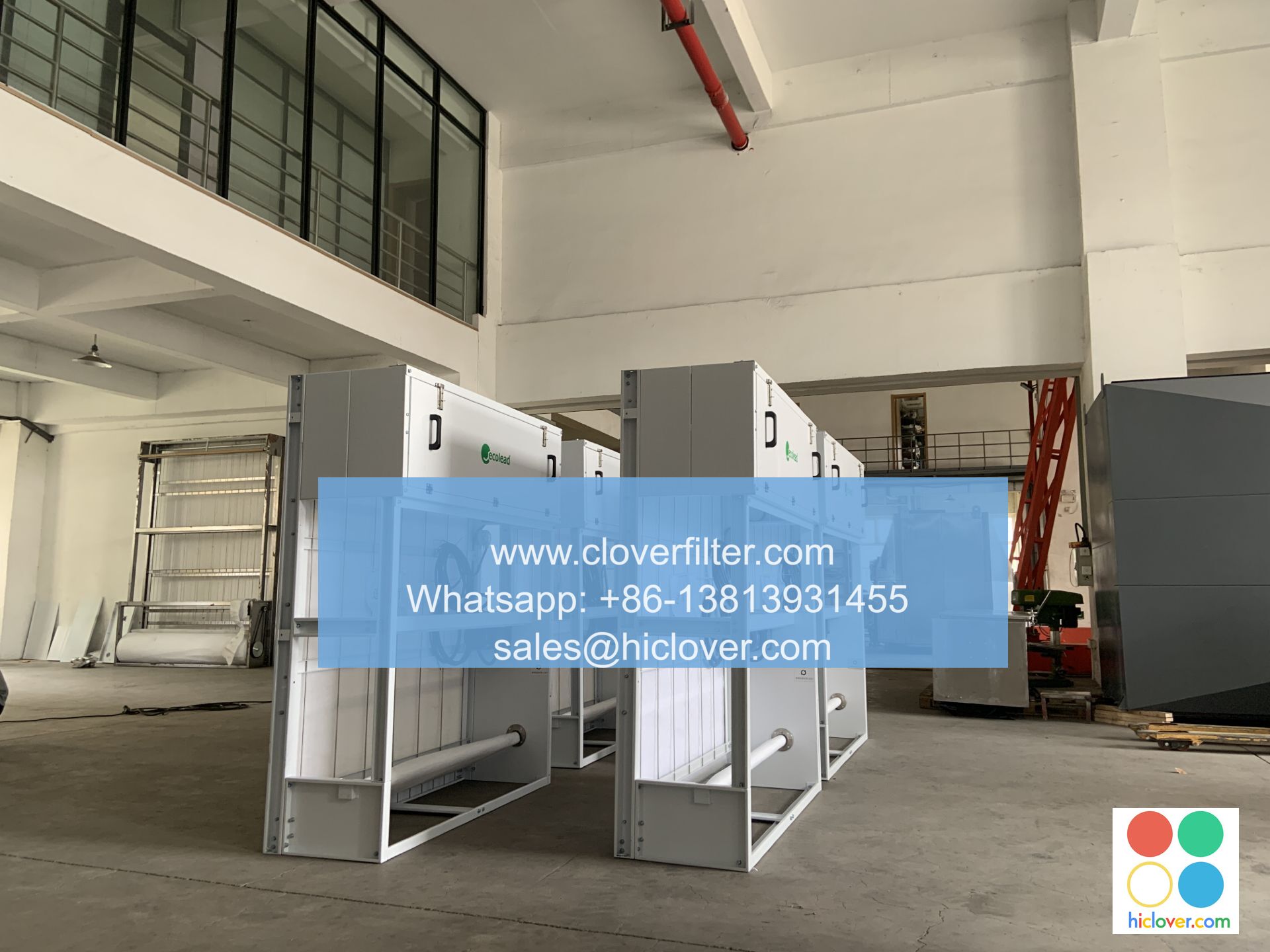
Air filters are essential components in a variety of systems, from HVAC units in homes to industrial machinery. Their efficiency in capturing airborne particles directly influences the air quality and performance of these systems. This article explores the relationship between air filter efficiency and pressure drop, alongside its implications across various application areas.
What is Air Filter Efficiency?

Air filter efficiency refers to the ability of a filter to capture particles of specific sizes while allowing air to pass through. This is critical for maintaining clean air in residential, commercial, and industrial settings. Efficiency is usually expressed as a percentage, indicating how many particles are removed from the air compared to the total particles present.
Understanding Pressure Drop
Pressure drop is defined as the loss of pressure that occurs as air flows through a filter. Essentially, as air encounters the filter, it faces resistance, leading to a reduction in air pressure downstream. Understanding the pressure drop is crucial because it serves as a key indicator of filter performance and overall energy efficiency in air systems.
The Relationship Between Efficiency and Pressure Drop
The relationship between air filter efficiency and pressure drop is largely influenced by several factors:

- Filter Material: Different materials (e.g., fiberglass, HEPA, or electrostatic filters) have varying capabilities in trapping particles, which affects both efficiency and pressure drop.
- Pore Size: Smaller pores may improve efficiency for smaller particles but can also lead to a higher pressure drop.
- Filter Thickness: Thicker filters generally have a higher dirt-holding capacity and can maintain efficiency over time with a lower pressure drop.
Measuring Pressure Drop
While assessing filter performance, maintaining an optimal balance between efficiency and pressure drop is critical. A well-performing filter should provide high efficiency without an excessive pressure drop. The most common method of measuring pressure drop is with a manometer, which gauges the difference in pressure across the filter medium.
Applications of Air Filters
The implications of air filter efficiency and pressure drop extend across various sectors, impacting air quality and operational effectiveness:
1. Residential HVAC Systems
In homes, air filters help maintain indoor air quality by trapping allergens, dust, and other pollutants. Efficient filters reduce the pressure drop within the HVAC system, resulting in lower energy bills and improved comfort.
2. Industrial Environments
In factories and manufacturing plants, filters protect sensitive machinery from harmful particles, improving both safety and productivity. Here, optimizing filter efficiency against pressure drop can lead to significant cost savings and equipment longevity.
3. Healthcare Facilities
In hospitals, the quality of air is critical. High-efficiency particulate air (HEPA) filters are used in surgical rooms and patient wards to remove pathogens, dust, and other contaminants. Maintaining low-pressure drops in these settings ensures effective ventilation while reducing strain on HVAC systems.
4. Automotive Applications
In automotive engines, filters are crucial for maintaining optimal engine performance. An efficient filter with an acceptable pressure drop contributes to better fuel efficiency and reduced emissions, enhancing vehicle longevity and environmental compliance.
Conclusion
Understanding the science behind air filter efficiency and pressure drop is essential for designing effective air filtration systems across various applications. Proper balance between these two factors ensures cleaner air, better performance, and energy savings. As technology continues to advance, the future of air filtration looks promising, with ongoing innovations paving the way to even higher efficiencies and lower pressure drops.
It looks like you might be looking for a writing prompt or a specific topic to discuss. Could you provide a bit more detail on what you’re looking for? Whether it’s a story idea, a question, or a theme, I’d be happy to help!
