The Science Behind Air Filter Electrostatic Charges: A Tutorial
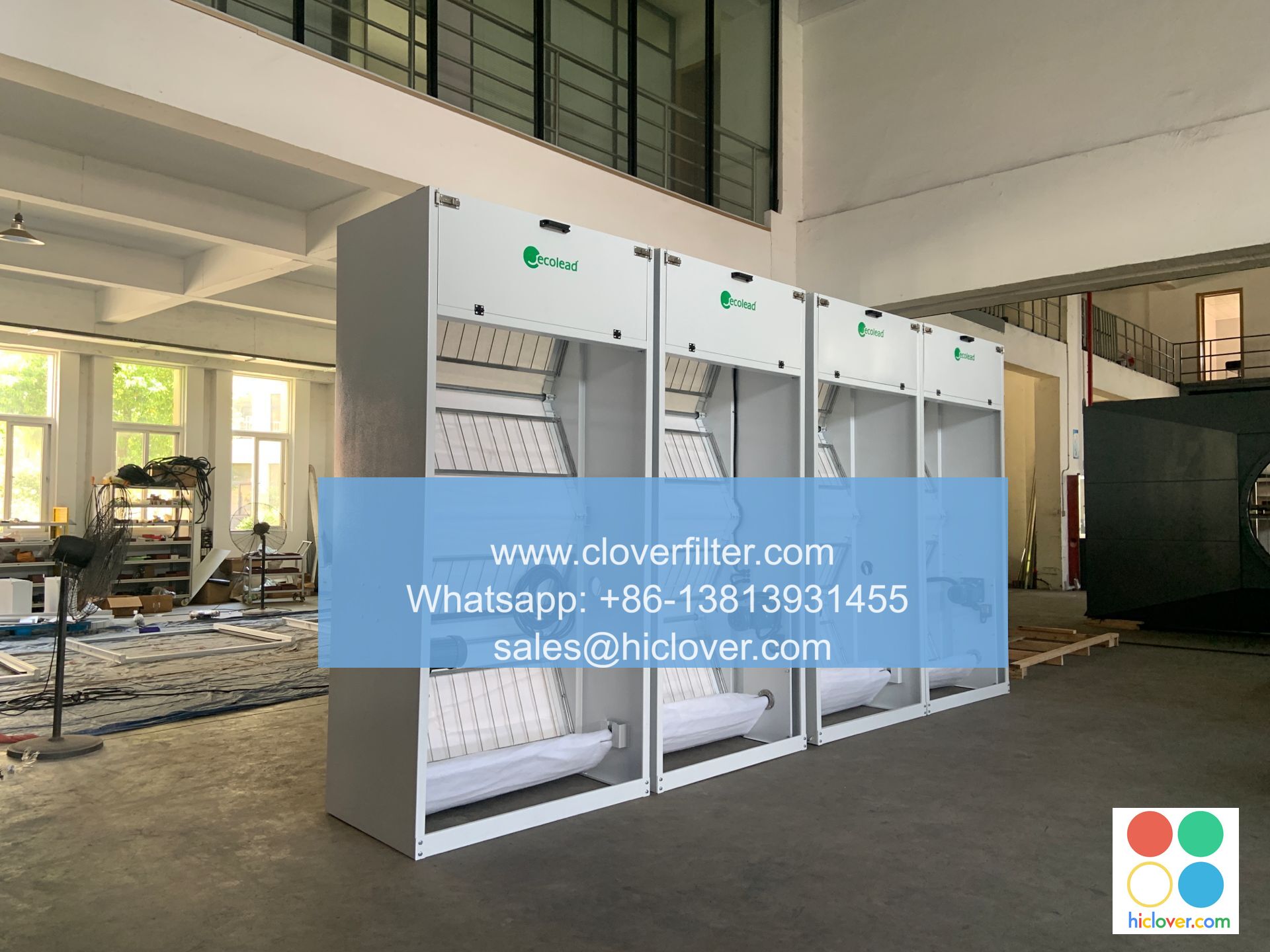
Air quality plays a crucial role in our health, and air filters serve as the frontline defense against airborne pollutants. One of the most fascinating aspects of air filtration technology is the use of electrostatic charges to enhance the efficiency of air filters. This article will explore the science behind air filter electrostatic charges, their applications, and the benefits they bring to various environments.
What Are Electrostatic Charges?

Understanding Electrostatics
Electrostatics is the study of electric charges at rest. It involves the build-up of electric charge on the surface of objects, which can be enticing for nearby particles. In the context of air filters, electrostatic charges are intentionally generated to improve the filter’s ability to attract and capture particles suspended in the air.
How Electrostatic Charges Work in Air Filters
Electrostatic air filters are designed to create a charge that attracts particles such as dust, pollen, pet dander, and smoke. When air passes through an electrostatic filter, the charged fibers create an ionization effect that attracts and holds onto particles that would otherwise pass through. This process not only improves air quality but also leads to more efficient filtration.
Advantages of Electrostatic Air Filters
Enhanced Filtration Efficiency

One of the most significant advantages of electrostatic air filters is their superior ability to capture small particles. Traditional mechanical filters rely solely on physical barriers to trap contaminants, but electrostatic filters harness the power of electrostatics to attract even the tiniest particles, including allergens and bacteria.
Reduced Energy Consumption
Because electrostatic air filters are highly efficient, they can reduce the load on HVAC systems. This improvement leads to lower energy consumption as the system does not have to work as hard to push air through a less efficient filter. Homeowners and businesses can save on energy costs while enjoying cleaner air.
Longer Lifespan
Electrostatic filters can often last longer than conventional filters. Their ability to capture more particles means they can maintain airflow and performance for extended periods before needing replacement. This longevity contributes to cost savings and reduced waste in landfill sites.
Applications of Electrostatic Air Filters
Residential Settings
In homes, electrostatic air filters help to maintain indoor air quality, especially for allergy sufferers. By capturing allergens, they promote a healthier living environment. These filters are often used in HVAC systems, portable air purifiers, and even vacuum cleaners.
Commercial Buildings
In commercial spaces such as offices and healthcare facilities, maintaining air quality is critical. Electrostatic air filters effectively remove harmful contaminants from the air, contributing to a healthier workspace. They are especially valuable in high-traffic areas where the risk of airborne illnesses is higher.
Automotive and Transportation
Electrostatic air filters are also used in vehicles to improve the air quality within the cabin. These filters not only reduce dust and pollen but can also capture harmful exhaust particles, contributing to a more pleasant and safer driving experience.
Industrial Applications
In manufacturing and industrial settings, air filters with electrostatic properties are essential for maintaining worker safety and promoting a clean working environment. These filters help control dust, fumes, and other hazardous airborne particles, ensuring compliance with health and safety regulations.
Choosing the Right Electrostatic Air Filter
When selecting an electrostatic air filter, consider the following factors:
- Efficiency Ratings: Look for filters with high Minimum Efficiency Reporting Value (MERV) ratings for superior particle capture.
- Size and Fit: Ensure the filter fits properly within your HVAC system or air purifier for optimal performance.
- Maintenance Requirements: Consider the ease of cleaning and replacing the filter to maintain its effectiveness over time.
Conclusion
The integration of electrostatic charges in air filters represents a significant advancement in air filtration technology. By enhancing the ability to capture airborne contaminants, electrostatic air filters can effectively improve indoor air quality, reduce energy costs, and extend the lifespan of HVAC systems. Whether in residential, commercial, automotive, or industrial settings, the applications of these filters are vast and beneficial.
As we continue to prioritize health and well-being, understanding the science behind electrostatic air filtration stands to enhance our living standards and promote a cleaner environment for all.
Sure! What kind of prompt are you looking for? It could be a writing prompt, a creative exercise, a discussion topic, or something else entirely. Let me know your preference!
