The Science Behind Air Filter Media: How It Affects Filter Performance
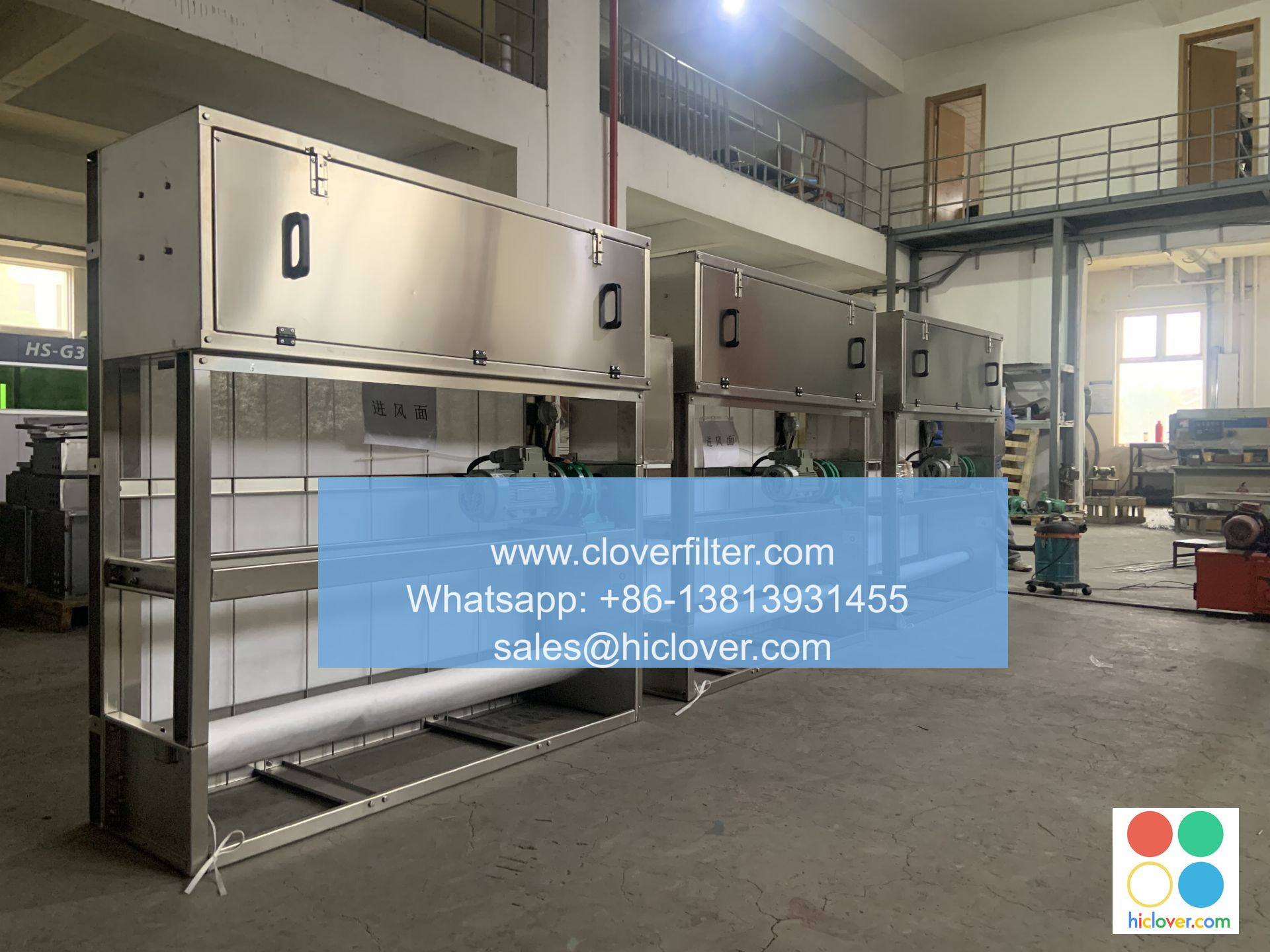
Air quality is a critical aspect of health and comfort in our daily lives. Whether in homes, offices, or industrial environments, the air we breathe can significantly impact our well-being. At the core of air purification systems are air filter media—the materials designed to capture and remove pollutants, allergens, and contaminants from the air. Understanding the science behind different types of filter media can help us appreciate their performance and optimally select the right filter for various applications.
What is Air Filter Media?

Air filter media refers to the material used in air filters to trap airborne particles. This media can be composed of various substances, including fiberglass, polypropylene, cotton, and synthetic fibers. The choice of media significantly influences the filter’s efficiency, lifespan, and overall performance.
Key Factors Influencing Filter Performance
1. Filtration Mechanisms
Different types of air filter media operate based on distinct filtration mechanisms, including:
- Inertial impaction: Larger particles are separated as they collide with the filter fibers.
- Interception: Particles that follow the airstream are captured by the fibers due to adhesion.
- Diffusion: Smaller particles are captured as they move erratically and collide with fibers.

2. Particle Size and Filter Rating
The effectiveness of an air filter media is often represented by its MERV rating (Minimum Efficiency Reporting Value). Filters with higher MERV ratings can capture smaller particles more effectively. For example, a MERV rating of 13 can trap particles as small as 0.3 microns, making it suitable for HEPA filters used in medical facilities and other sensitive environments.
3. Pressure Drop
The pressure drop across an air filter indicates the amount of resistance the filter poses to airflow. A well-designed air filter media provides adequate filtration while minimizing pressure drop, ensuring efficient airflow. This balance is vital for HVAC systems, where high pressure drop can lead to increased energy consumption and reduced performance.
Types of Air Filter Media
1. Fiberglass
Fiberglass air filters are commonly used in residential and commercial HVAC systems. They are affordable and have a decent lifespan, capturing larger particles effectively, but may not be suitable for environments with specific air quality requirements.
2. Pleated Filters
Pleated air filters have a larger surface area than standard flat filters, allowing for better filtration efficiency and lower pressure drop. They are ideal for both residential and commercial settings.
3. Activated Carbon Filters
Activated carbon filters excel in removing odors and volatile organic compounds (VOCs). They are widely used in both residential and industrial applications where chemical pollutants are a concern.
Applications of Air Filter Media
The application areas for air filter media are vast and varied. Here are some highlighted areas:
1. HVAC Systems
In homes and commercial buildings, air filters in HVAC systems play a crucial role in maintaining indoor air quality. Proper air filter media can improve energy efficiency and reduce health risks associated with poor air quality.
2. Automotive Industry
In vehicles, air filter media is essential for engine performance and passenger comfort. Cabin air filters made from specialized media can capture allergens and pollutants, ensuring cleaner air inside vehicles.
3. Industrial Settings
In factories and manufacturing facilities, dust and chemical pollutants can pose serious health risks. Effective air filter media is critical in protecting workers by maintaining a cleaner environment.
Conclusion
Understanding the science behind air filter media helps consumers and industries make informed decisions about air filtration solutions. By considering factors such as filtration mechanisms, particle size, pressure drop, and specific application needs, we can select the most appropriate air filter media to enhance air quality, improve health outcomes, and promote energy efficiency in various settings.
It seems like you may have entered a prompt but it isn’t complete. Could you please provide more details or specify what you would like assistance with? Whether it’s a question, topic for discussion, or something else, I’m here to help!
