The Science Behind Air Filter Media: What’s the Best Option?

In today’s fast-paced world, maintaining good air quality is essential for health and well-being. Air filters play a crucial role in removing pollutants and allergens from indoor environments. The effectiveness of these filters largely depends on the type of media used. In this article, we will explore the science behind various air filter media, highlighting their applications and determining the best options for different scenarios.
Understanding Air Filter Media
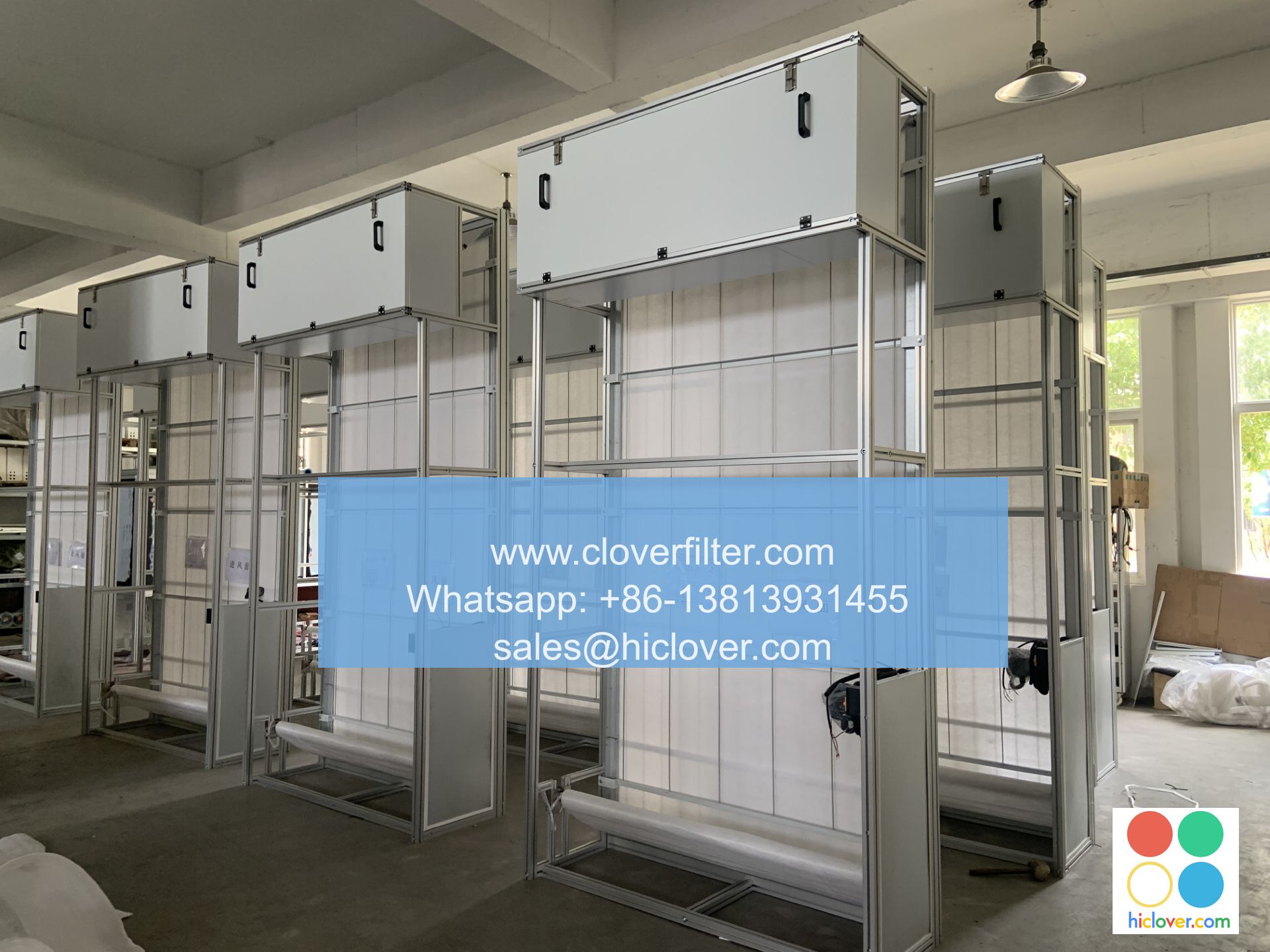
Air filter media act as a barrier, trapping particles, allergens, and pollutants from the air. Filters are made from various materials, and each type has its unique characteristics that influence air quality and filter performance. The choice of air filter media is critical, as it can dictate the filter’s efficiency, airflow, and lifespan.
Types of Air Filter Media
-
Fiberglass Filters
- Overview: Fiberglass filters are one of the most common and economical options available. They consist of layered strands of glass fibers.
- Applications: Ideal for residential and commercial HVAC systems, particularly where cost is a primary concern.
- Pros and Cons: While they are effective at capturing larger particles, they can allow smaller particles and allergens to pass through.
-
Pleated Filters
- Overview: Made from a blend of synthetic fibers, pleated filters have a larger surface area due to their folded design.
- Applications: Suitable for both residential and industrial use, especially in settings that require a higher level of air quality.
- Pros and Cons: They capture more particulate matter than fiberglass filters and have a longer lifespan, but they can be more expensive.
-
HEPA Filters
- Overview: High-Efficiency Particulate Air (HEPA) filters are designed to trap 99.97% of particles that are 0.3 microns or larger.
- Applications: Commonly used in hospitals, laboratories, and homes where individuals have allergies or respiratory issues.
- Pros and Cons: While they provide superior filtration, they may restrict airflow and require more frequent changes due to clogs.
-
Activated Carbon Filters
- Overview: Activated carbon filters contain a layer of activated charcoal that absorbs gases and odors, as well as particulate matter.
- Applications: Frequently used in air purifiers and in environments where odor control is paramount, such as kitchens and pet areas.
- Pros and Cons: They are excellent for odor removal but may not be as effective for particulate filtration compared to HEPA filters.
-
Electrostatic Filters
- Overview: These filters use static electricity to attract and capture particles from the air. They can be washable and reusable.
- Applications: Suitable for both residential and commercial use, especially for those looking for a sustainable option.
- Pros and Cons: They require less frequent changing but may not be as effective as HEPA filters for fine particles.
- For Allergies: HEPA filters are the superior choice, effectively capturing pollen, dust mites, and pet dander.
- For Odor Control: Activated carbon filters should be used, especially in kitchens and areas with poor ventilation.
- Cost-Effective Options: Fiberglass filters are budget-friendly and suitable for basic filtration needs, but they come with limitations regarding performance.
- Long-Term Investment: Pleated and HEPA filters, while initially more expensive, offer better filtration efficiency and longer usage intervals, making them economical over time.
- Understanding your system’s airflow requirements is critical when selecting a filter. Higher MERV ratings (Minimum Efficiency Reporting Value) usually indicate better filtration but can restrict airflow. It’s essential to balance filtration efficiency with the needs of your HVAC system.

Choosing the Best Air Filter Media
The best choice of air filter media largely depends on specific needs and applications. Here are some factors to consider:
Air Quality Needs
Budget Considerations
Airflow Requirements
Conclusion
In conclusion, the science behind air filter media is multifaceted and depends on various factors such as application area, budget, and specific air quality needs. Whether you require a basic fiberglass filter for a rental property or a HEPA filter for a home with allergy sufferers, understanding the characteristics of each type of media can guide you in making an informed decision. With the right filter, you can improve indoor air quality and create a healthier living or working environment.
Sure! What would you like a prompt for? Writing, art, discussion topics, or something else? Let me know, and I’ll be happy to help!
