The Science Behind Air Filter Media
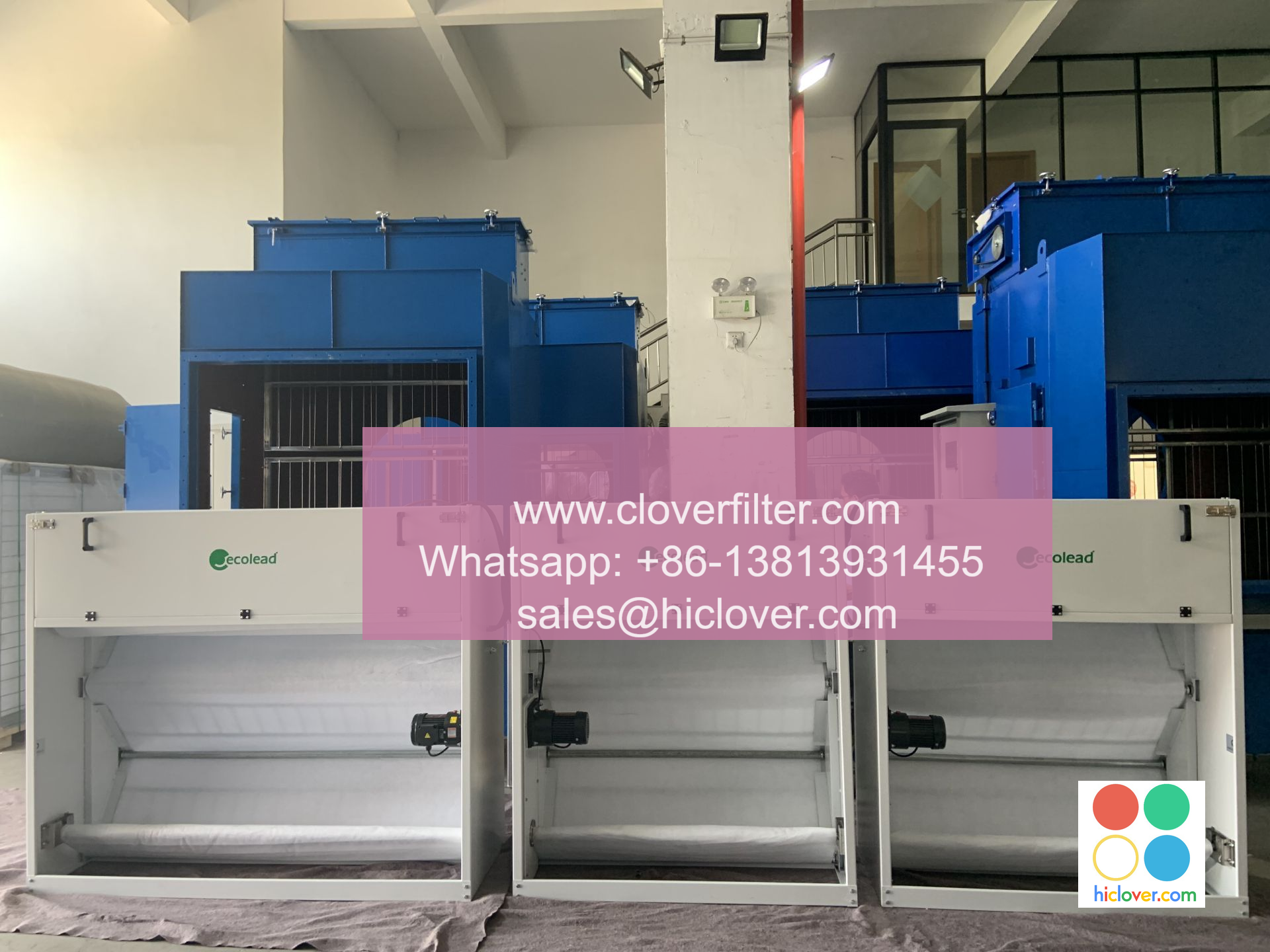
Air filter media plays a crucial role in maintaining air quality across various environments, from industrial facilities to your own home. Understanding the science behind these materials illuminates their effectiveness in trapping pollutants and enhancing overall air purity. This article delves into the different types of air filter media, their applications, and the technology behind their performance.
What is Air Filter Media?

Air filter media refers to the material used in air filters designed to capture airborne particles and contaminants. It can be made from various materials, including fiberglass, polyester, and activated carbon, each with unique properties and efficiencies. The effectiveness of air filter media is determined by parameters such as filtration efficiency, airflow resistance, and capacity for holding particulates.
Types of Air Filter Media
1. Fiberglass Media
Fiberglass air filter media is common in residential and commercial HVAC systems. It consists of fine glass fibers that create a dense network, enabling the capture of larger particles like dust and pollen. Although they are effective for basic filtration, they may not be suitable for environments requiring higher air quality standards.
2. Polyester Media
Polyester filter media is frequently used in both industrial and residential applications. This synthetic fiber is designed to achieve higher filtration performance, trapping smaller particles while maintaining good airflow. Polyester media often features electrostatic properties that enhance particle capture.
3. Activated Carbon Media
Activated carbon is renowned for its ability to adsorb gaseous pollutants, including volatile organic compounds (VOCs) and odors. Carbon filters have a sizeable surface area due to their porous structure, making them essential in applications where air purity is paramount, such as hospitals and laboratories.
4. HEPA Filters
High-Efficiency Particulate Air (HEPA) filters boast a minimum efficiency of 99.97% for particles 0.3 microns in size. These filters are primarily used in environments with strict air quality standards, including clean rooms, hospitals, and aerospace applications. The intricate structure of HEPA media captures microscopic particles, preventing them from circulating back into the air.
The Science of Filtration
Filtration Mechanisms
Air filter media effectively function through several mechanisms:
- Inertial Impaction: Larger particles change direction when air passes through the filter, colliding with fibers and getting trapped.
- Interception: When particles travel with the air stream and come within the range of a fiber, they may adhere to it.
- Diffusion: Smaller particles move erratically due to Brownian motion, increasing their likelihood of colliding with fibers.
Efficiency Ratings
The efficiency of air filter media is often measured using the Minimum Efficiency Reporting Value (MERV) rating system. Filters are rated on a scale from 1 to 20, with higher values indicating better filtration capabilities. For instance, a MERV 13 filter effectively captures particles like smoke, smog, and some biological aerosols.
Applications of Air Filter Media
Air filter media finds applications in various industries and environments:
1. Residential HVAC Systems
In homes, air filters are essential for maintaining indoor air quality, especially for allergy sufferers. High-MERV filters can remove allergens from the air, improving the living environment significantly.
2. Commercial Buildings
Businesses use air filter media to enhance employee productivity by ensuring a clean working environment. Effective air filters also reduce HVAC system strain, leading to lower energy costs.
3. Healthcare Facilities
In hospitals and laboratories, air purity is crucial for patient safety. HEPA filters and activated carbon media are commonly used to prevent airborne infections and eliminate harmful odors.
4. Food Processing and Pharmaceuticals
Strict regulations in food and pharmaceutical industries require the highest air quality standards. Specialized air filter media are essential to prevent contamination during production processes.
Conclusion
The science behind air filter media is a fascinating intersection of chemistry and engineering that serves vital roles across various industries. Understanding the different types of media, their mechanisms, and applications can help consumers and businesses make informed decisions about their air quality needs. By choosing the right air filter media, you can create healthier environments while also extending the life of your HVAC systems and reducing energy costs.
Of course! What kind of prompt are you looking for? Whether it’s for creative writing, brainstorming, or something else, just let me know your preferences and I’ll provide one tailored to your needs!
