The Science Behind Air Filter Movements: How They Improve Indoor Air Quality in Commercial Settings
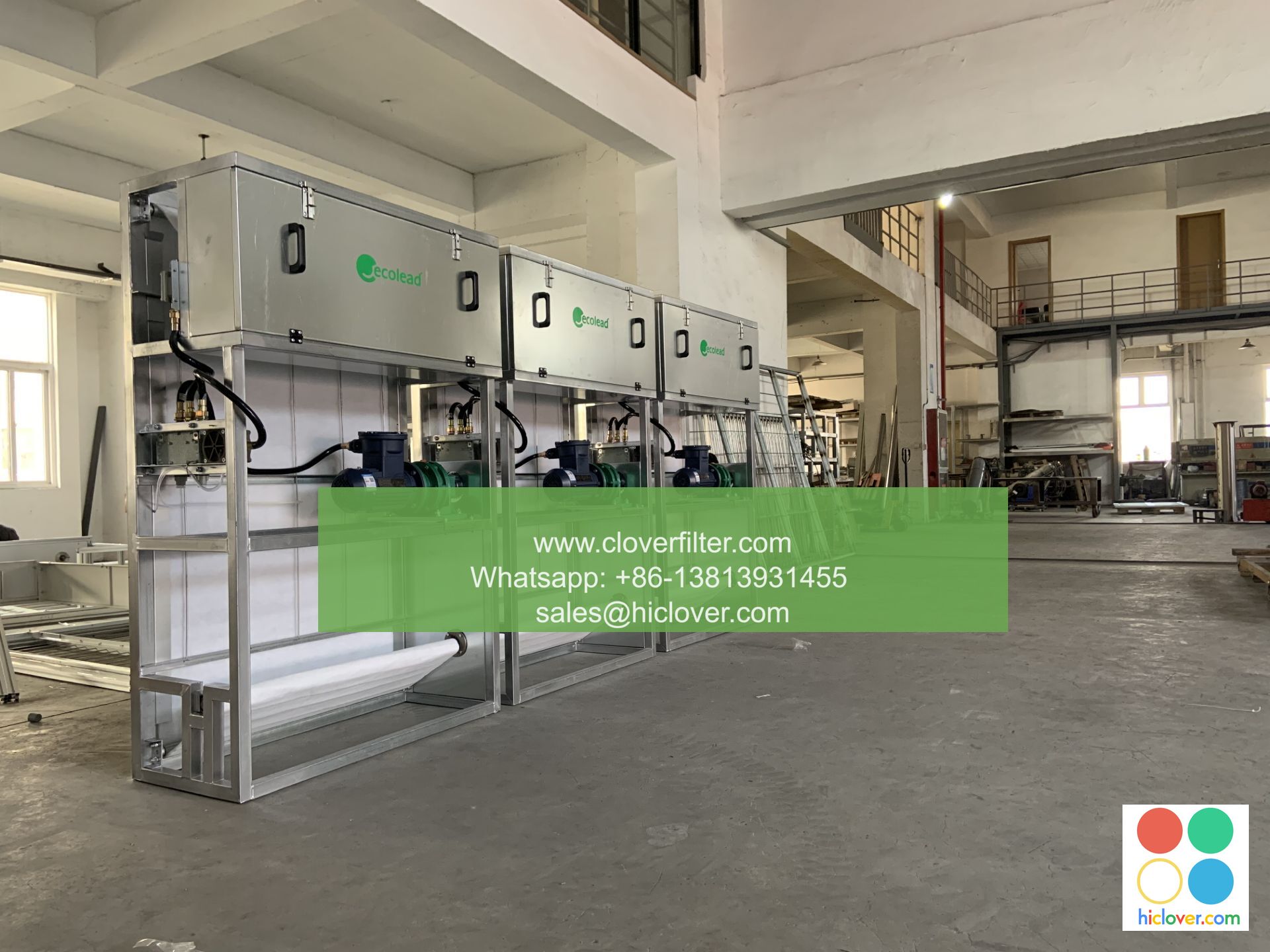
Indoor air quality (IAQ) has become a critical focus for businesses aiming to provide a healthy environment for their employees and customers. Various air filtration systems are employed in commercial settings to combat airborne pollutants. This article delves into the science behind air filter movements and their significant role in improving IAQ across different industries.
The Importance of Air Quality in Commercial Settings

In a typical commercial building, indoor air can be significantly more polluted than outdoor air. Common sources of indoor pollution include:
- Volatile Organic Compounds (VOCs) from cleaning agents and office supplies
- Dust and particulate matter from construction materials
- Biological contaminants such as mold and bacteria
- CO₂ emissions from occupants
To address these concerns, implementing effective air filtering solutions is essential for maintaining optimal air quality and ensuring the well-being of occupants.

Understanding Air Filter Movements
Air filters function on the principle of mechanical filtration, which involves capturing particles as air flows through the filter media. The design and movement of these filters play a vital role in determining their efficiency:
- Inlet and Exhaust Design: Filters are usually placed at strategic points in a ventilation system. Proper alignment of intake and exhaust helps facilitate efficient airflow.
- Airflow Dynamics: The movement of air molecules influenced by pressure gradients affects how pollutants are drawn toward the filter surfaces.
- Filter Media and Technology: Advanced filters use materials such as HEPA (High-Efficiency Particulate Air) and activated carbon to capture a wide range of contaminants, including ultrafine particles and odors.
Applications of Air Filters in Various Commercial Settings
Different industries leverage air filter technologies to tackle specific air quality challenges. Here are some application areas:
Healthcare
In hospitals and clinics, air filters are vital for controlling the spread of infectious diseases. HEPA filters effectively trap airborne pathogens, contributing to a sterile indoor environment.
Office Spaces
Modern offices, often designed with open floor plans, benefit from air filters that reduce volatile organic compounds (VOCs) and other pollutants, leading to improved employee productivity and satisfaction.
Educational Institutions
Schools and universities require effective air filtration to protect students from allergens and contaminants. Systems equipped with UV-C light technology can further neutralize viruses and bacteria.
Industrial Facilities
In manufacturing and processing plants, air filters reduce dust, fumes, and other harmful particles, promoting a safer work environment and compliance with health regulations.
The Future of Air Filtration Technologies
As technology evolves, the development of smart air filtration systems incorporating real-time monitoring and automation is on the rise. These systems can adjust filtration rates based on current air quality assessments, offering tailored solutions to meet specific environment needs.
Conclusion
Understanding the science behind air filter movements and their contributions to improving indoor air quality is essential for a healthier commercial environment. As industries continue to prioritize IAQ, advancements in filtration technology will enhance the well-being and productivity of occupants across various settings.
By investing in appropriate air filtration solutions, businesses can significantly improve their indoor environments, ensuring the health and safety of their employees and clients alike.
Sure! What kind of prompt are you looking for? It could be for a story, an essay, a conversation starter, or something else entirely. Let me know your needs, and I’ll be happy to help!
