The Science Behind Air Filter Panels: How They Work
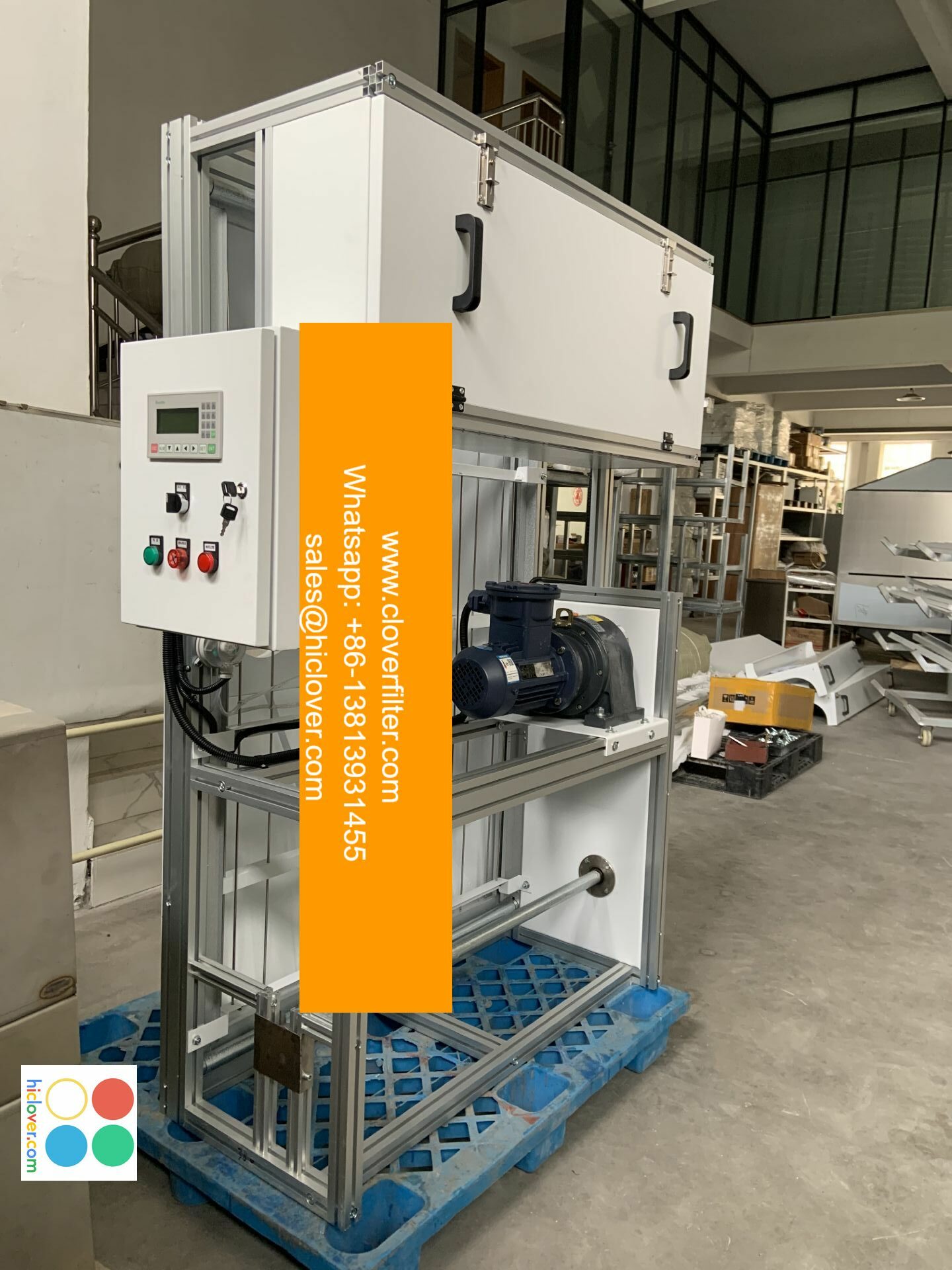
Air quality has become a significant concern in today’s world, and one crucial component in maintaining clean air indoors is the air filter panel. These panels play a pivotal role in various settings, from residential homes to commercial spaces and industrial facilities. In this article, we explore the science behind air filter panels, how they function, and their applications across different environments.
What Are Air Filter Panels?
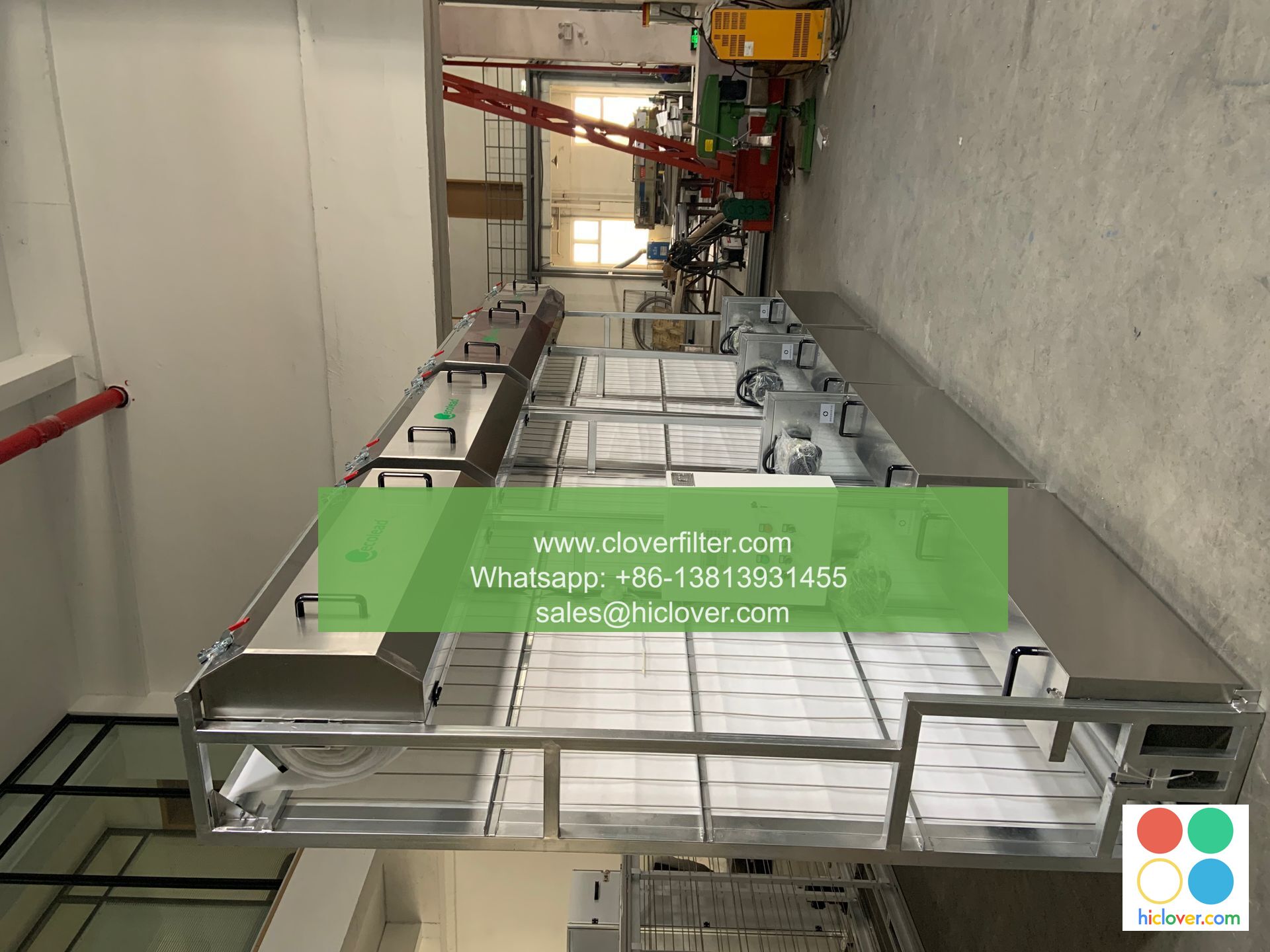
Air filter panels are designed to trap airborne particles, allergens, and pollutants, ensuring that the air circulating through HVAC (Heating, Ventilation, and Air Conditioning) systems is clean and safe. They are available in various types, including HEPA (High-Efficiency Particulate Air), pleated, and electrostatic filters, each tailored for specific purposes and effectiveness.
How Air Filter Panels Work
The effectiveness of air filter panels lies in their physical and chemical properties. Here’s a closer look at how they work:
1. Mechanical Filtration
This is the primary method used in most air filters. Mechanical filters use a porous medium to capture larger particles as air flows through. The size of the pores determines the filter’s efficacy, with finer filters capturing smaller particles, including dust, pollen, and animal dander.

2. Electrostatic Filtration
Electrostatic filters employ static electricity to attract and capture particles, even those that are not effectively caught by mechanical filtration. This method can be particularly useful for trapping smaller particulate matter and is often utilized in residential air purification systems.
3. Chemical Filtration
Certain air filters integrate activated carbon or other chemical media to neutralize odors and volatile organic compounds (VOCs). These filters are essential in environments where air freshness is crucial, such as in kitchens and laboratories.
Key Applications of Air Filter Panels
The diverse nature of air filter panels allows them to be used in various environments, each with unique requirements:
1. Residential Use
In homes, air filter panels help reduce allergens and improve indoor air quality, making them essential for individuals with allergies or asthma. They are commonly used in HVAC systems to filter the air circulating through living spaces.
2. Commercial Buildings
Office buildings and commercial establishments employ air filter panels to enhance indoor air quality, thereby increasing employee productivity and well-being. Reliable air filtration systems can also minimize the transmission of airborne diseases, making them vital in public spaces.
3. Industrial Applications
Air filter panels are crucial in industrial environments where airborne contaminants, such as dust and chemical fumes, can pose health risks. They are utilized in manufacturing plants, laboratories, and clean rooms to maintain stringent air quality standards.
4. Healthcare Facilities
In hospitals and clinics, high-efficiency air filter panels are indispensable for controlling airborne infections. HEPA filters are typically employed in patient care areas and surgical operating rooms to ensure optimal air cleanliness and safety.
The Benefits of Using Air Filter Panels
Air filter panels offer numerous advantages beyond just filtering out particles:
- Improved Air Quality: They enhance indoor air quality by reducing allergens, dust, and harmful pollutants.
- Health Benefits: Cleaner air can lead to better respiratory health and overall well-being.
- Energy Efficiency: Properly maintained air filters can improve HVAC efficiency, leading to lower energy consumption and costs.
- Environmental Impact: By trapping pollutants, air filters can contribute to a cleaner environment, making them a responsible choice for conscious consumers.
Conclusion
Understanding the science behind air filter panels is essential for appreciating their role in promoting cleaner air across various settings. Whether in a home, workplace, or healthcare environment, these panels are vital in ensuring that we breathe clean, safe air. As the focus on air quality continues to grow, investing in high-quality air filter panels is a step towards a healthier future.
Sure! What kind of prompt are you looking for? It could be for writing, brainstorming, art, or something else entirely. Please provide more details!
