The Science Behind Air Filter Purification
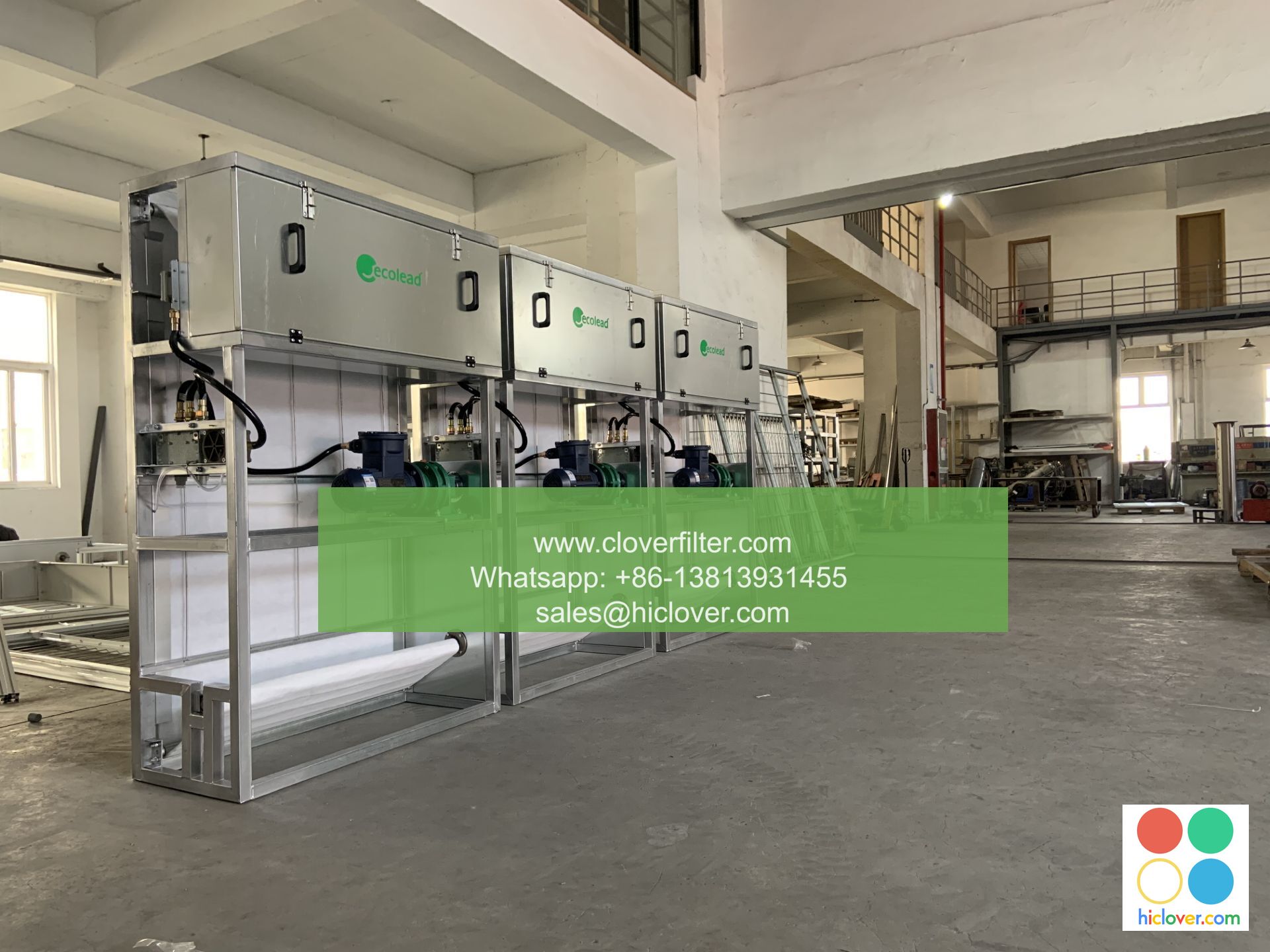
Air filter purification is a crucial aspect of maintaining good indoor air quality, and its science is based on the principles of particulate matter removal, gas phase filtration, and microbial control. In this article, we will delve into the technology behind air filter purification, exploring its key components, mechanisms, and applications in various industries.
Key Components of Air Filter Purification
The primary components of an air filter purification system include the filter media, frame, and housing. The filter media is the heart of the system, responsible for capturing particulate matter (PM), volatile organic compounds (VOCs), and microorganisms from the air. The filter media can be made from a variety of materials, including fiberglass, polypropylene, and activated carbon, each with its unique properties and applications.
Filter Media Types and Applications
Different types of filter media are designed for specific applications, including:
* HEPA (High Efficiency Particulate Air) filters for medical facilities and cleanrooms, where ultra-fine particles and microorganisms must be removed.
* Activated carbon filters for odor control and VOC removal in industrial and commercial settings.
* Electrostatic filters for residential and light commercial applications, where particulate matter and allergens are a concern.
Mechanisms of Air Filter Purification
The mechanisms of air filter purification involve a combination of physical and chemical processes. The filter media captures particles and microorganisms through interception, impaction, and diffusion, while also adsorbing gases and VOCs through chemical bonding and physical absorption.

Importance of Air Filter Maintenance
Regular air filter maintenance is crucial to ensure the optimal performance and longevity of the filtration system. This includes filter replacement, cleaning, and inspection to prevent filter clogging, pressure drop, and contamination.
Applications of Air Filter Purification
Air filter purification has a wide range of applications across various industries, including:
* Healthcare: hospitals, clinics, and medical facilities require high-efficiency air filtration to prevent the spread of infections and contamination.
* Industrial: manufacturing facilities, warehouses, and process industries benefit from air filter purification to remove hazardous particles and gases.
* Commercial: offices, hotels, and restaurants use air filter purification to improve indoor air quality and occupant comfort.
* Residential: homeowners can benefit from air filter purification to remove allergens, particulate matter, and odors from the air.
In conclusion, the science behind air filter purification is a complex and multifaceted field, involving the interaction of various components, mechanisms, and applications. By understanding the technology and principles behind air filter purification, we can better appreciate the importance of indoor air quality and the role that air filter purification plays in maintaining a healthy and comfortable environment. It looks like you’re ready to give me a prompt, but you haven’t typed it out yet! Please go ahead and share what’s on your mind, and I’ll do my best to help. What would you like to talk about, ask, or explore?
