The Science Behind Air Filtration: How Air Filters Work
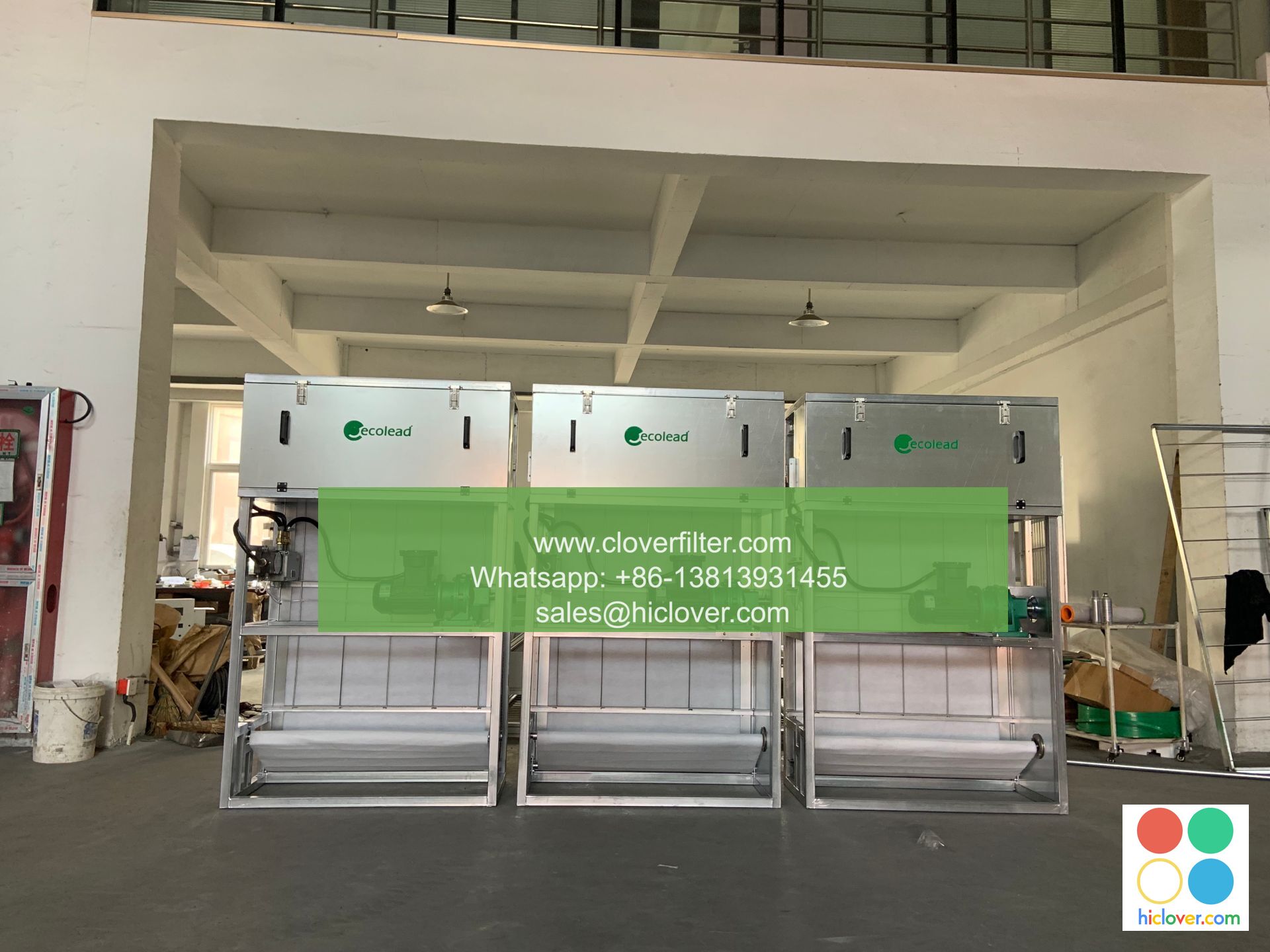
In recent years, air filtration has become a crucial topic of conversation, especially in the wake of environmental changes and health awareness. Understanding how air filters operate is essential for maintaining healthy indoor air quality. This article dives deep into the science behind air filtration, highlighting various application areas and explaining the fundamentals of how these systems work.
What is Air Filtration?

Air filtration is the process of removing particulate matter, allergens, and other harmful pollutants from the air. This not only enhances air quality but also contributes to better health outcomes. By understanding the mechanisms of air filters, we can appreciate their significance in numerous settings, including residential homes, commercial spaces, and industrial environments.
How Air Filters Work
Air filters operate mainly through three mechanisms: mechanical filtration, adsorption, and chemical filtration.
- Mechanical Filtration: This process uses a physical barrier to trap particles such as dust, pollen, and pet dander. HEPA (High Efficiency Particulate Air) filters are an example of mechanical filters, capable of capturing 99.97% of particles that are 0.3 microns and larger.
- Adsorption: In this process, certain materials, such as activated carbon, are used to attract and hold onto pollutants and odors. This is particularly useful for removing volatile organic compounds (VOCs) and other gaseous contaminants.
- Chemical Filtration: This advanced filtration method involves chemical reactions that neutralize harmful substances. For example, some air filters include a photocatalytic oxidization feature that breaks down pollutants upon exposure to UV light.
- HEPA Filters: Ideal for households, these filters remove a high percentage of airborne particles and are particularly useful for allergy sufferers.
- Activated Carbon Filters: Used in residential air purifiers as well as in industrial settings to control odors and chemicals, these filters excel at absorbing gaseous pollutants.
- Electrostatic Filters: These filters use static electricity to capture particles and are often washable and reusable, making them environmentally friendly options.
- UV Filters: Used in conjunction with other types, these filters can neutralize bacteria and viruses, making them ideal for hospitals and clean rooms.
- Residential: Air purifiers and HVAC systems enhance indoor air quality and promote healthier living environments.
- Commercial: Businesses implement air filtration to meet health regulations, ensuring a safe workplace for employees and customers.
- Industrial: Factories and manufacturing plants utilize advanced filtration systems to capture harmful emissions and protect worker health.
- Healthcare: Hospitals and clinics rely on specialized air filters to control the spread of infections and maintain sterile environments.

Types of Air Filters
Understanding the different types of air filters can help in selecting the right one for specific needs. Here are a few common types and their applications:
Application Areas of Air Filtration
The applications of air filtration are vast and vary across different sectors:
The Future of Air Filtration
As air quality continues to be a growing concern, advancements in air filtration technology will play an essential role in enhancing public health. Future innovations may include smart air filtration systems that integrate with home automation for real-time air quality monitoring, and sustainable materials that enhance the efficiency of air filters.
Conclusion
Understanding the science behind air filtration is vital for improving air quality in our daily lives. By selecting the appropriate type of filter and ensuring it is effectively integrated into buildings and environments, we can dramatically reduce airborne pollutants and their harmful effects. As technology progresses, air filters will likely become even more efficient and integral to our health and well-being.
It looks like you may have wanted to provide a specific prompt but didn’t include the details. What would you like assistance with? Feel free to share any topic or question!
