The Science Behind Automatic Roll Air Filter Performance in Brampton Electronics Warehouses
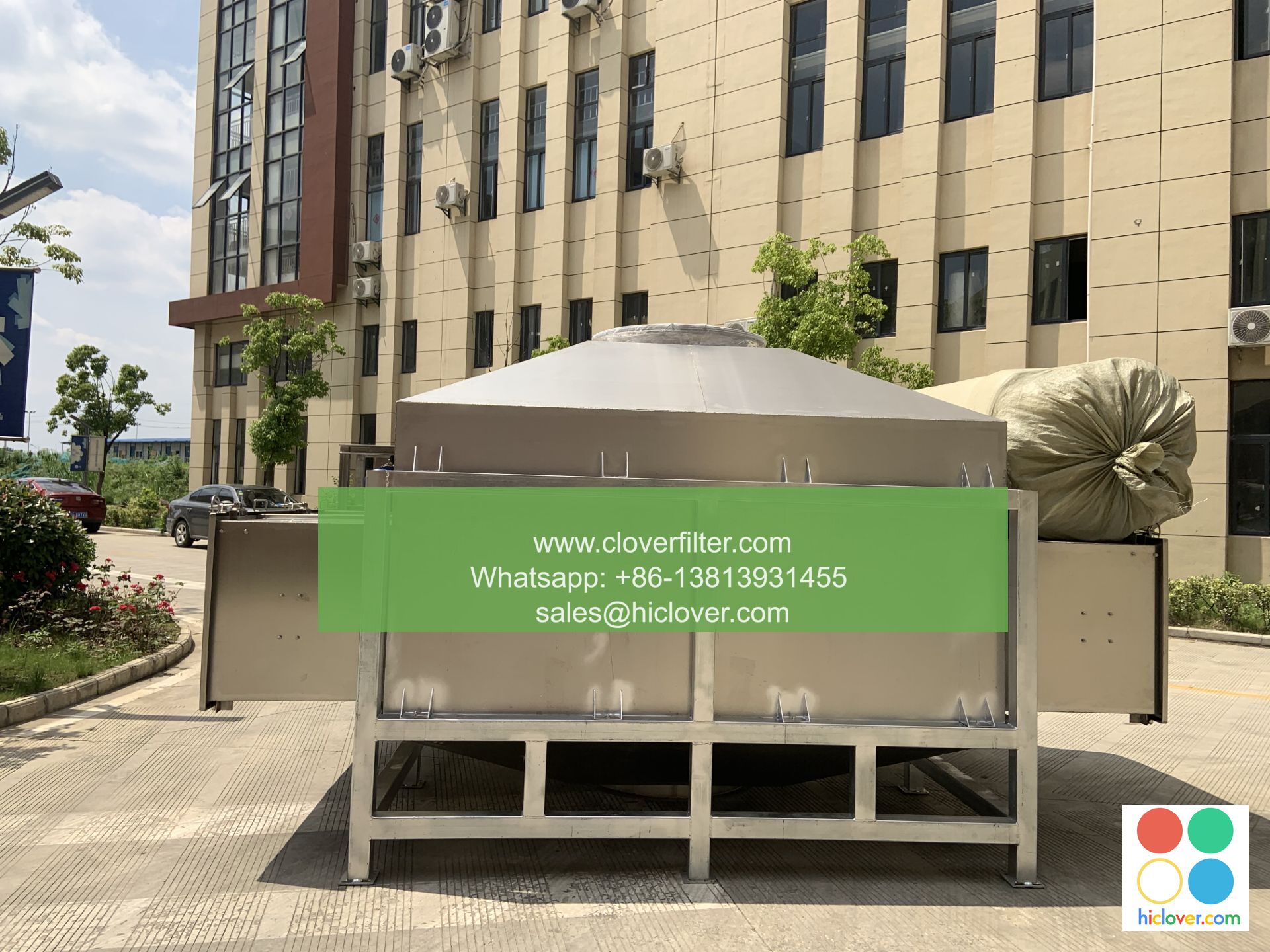
The Science Behind Automatic Roll Air Filter Performance in Brampton Electronics Warehouses
In the realm of warehousing, where electronics are stored and handled, maintaining an optimal environment is crucial. Dust, pollutants, and varying humidity levels can all impact the integrity of electronic components. In this context, automatic roll air filters are becoming increasingly significant, especially in Brampton’s electronics warehouses. Understanding how these filters work illuminates their role in maintaining air quality and protecting sensitive products.

Understanding Automatic Roll Air Filters
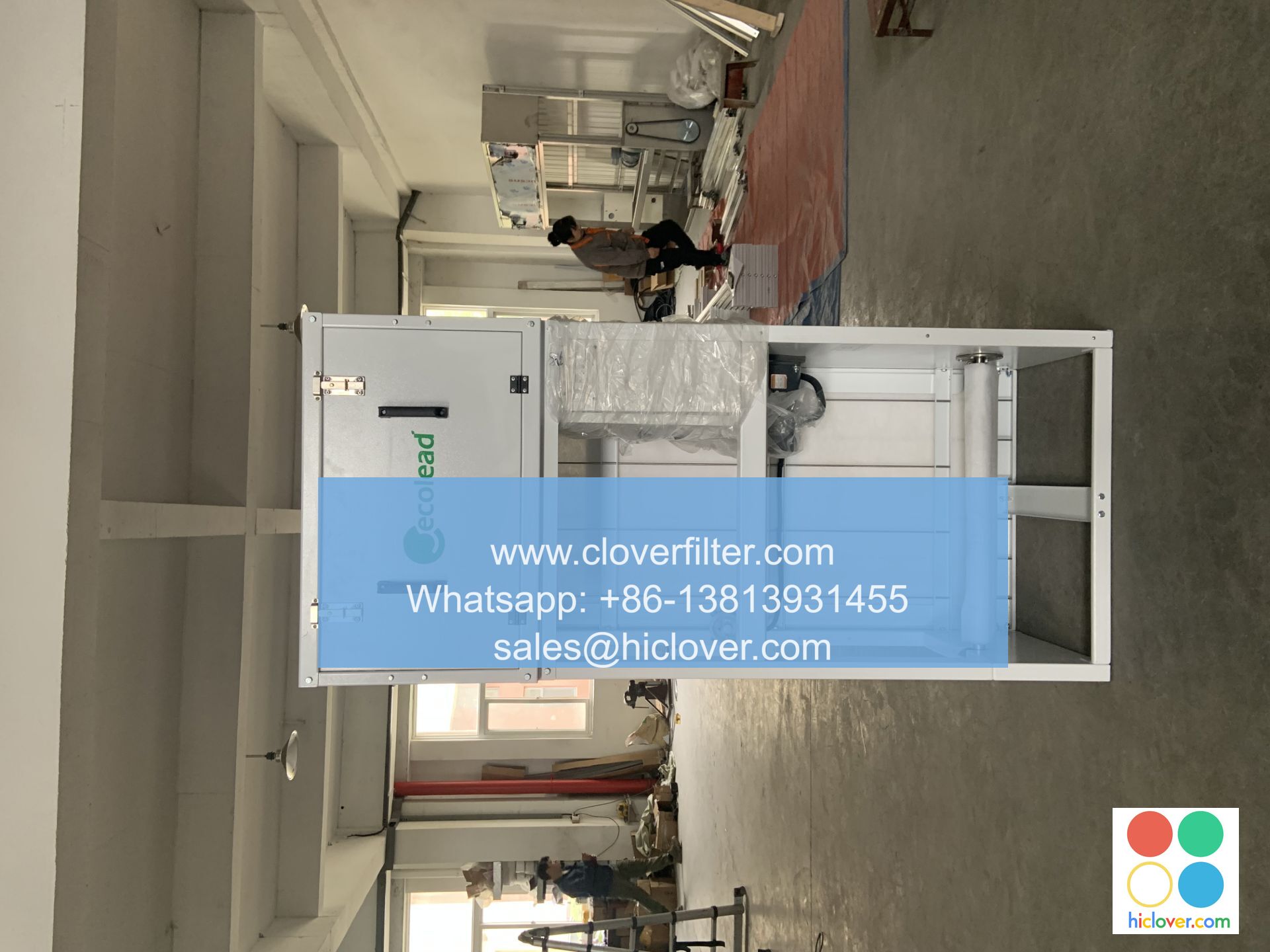
Automatic roll air filters are sophisticated systems designed to continuously purify the air within a space, particularly large areas such as warehouses. These filters operate using a continuous roll of filter material that moves in and out of the airflow. As air is cycled through the filter, contaminants such as dust, allergens, and particulates are trapped, ensuring cleaner air circulates within the facility.
Mechanics of Operation
The primary function of an automatic roll air filter is to maintain consistent airflow while ensuring contaminant removal. The filter material is engineered for high efficiency, often constructed from materials like synthetic fibers or activated carbon, which provide substantial surface area for trapping particles. As air passes through, the filter captures larger particles via mechanical filtration and smaller particles through electrostatic attraction.
Impact on Air Quality
In electronics warehouses in Brampton, air quality can significantly affect product longevity and performance. Automatic roll air filters help mitigate the risks associated with dust accumulation, which can lead to overheating and malfunctions in electronic devices. Furthermore, reducing allergens and particulate matter also contributes to a healthier workplace environment for employees.
Efficiency Factors
The efficiency of automatic roll air filters can be attributed to several factors, including filter design, airflow rate, and maintenance practices. The design of the filter material plays a crucial role; higher MERV (Minimum Efficiency Reporting Value) ratings indicate a finer filtration process. The airflow rate determines how quickly air is replaced, with optimal rates ensuring that contaminated air is expelled and replaced regularly.
Energy Consumption
While the performance of automatic roll air filters is paramount, energy consumption is another consideration. Modern systems are designed to be energy efficient, often equipped with sensors that monitor air quality and adjust operation accordingly. This means that the system runs at optimal efficiency while consuming less power, resulting in lower operational costs for warehouses.
Implementation and Maintenance
Implementing automatic roll air filters in Brampton’s electronics warehouses involves meticulous planning. It’s crucial to assess the warehouse layout, anticipated air quality needs, and frequency of filter replacements. Regular maintenance is essential to ensure that the filters function effectively; this includes prompt replacement of filter rolls, system checks, and monitoring air quality metrics to adapt to changing conditions.
Conclusion
Automatic roll air filters are an essential component of air purification systems in electronics warehouses in Brampton. Their ability to efficiently filter air while contributing to a healthier environment makes them invaluable for protecting sensitive electronic components and ensuring the wellbeing of employees. With advancements in technology, these systems are becoming increasingly efficient, demonstrating that science and innovation play pivotal roles in enhancing air quality in industrial settings.
FAQs
- How often do the filter rolls need to be replaced?
- The frequency of replacement can vary based on usage and air quality but generally ranges from every few months to annually.
- Are automatic roll air filters energy efficient?
- Yes, many modern systems are designed to be energy efficient, utilizing sensors and smart technology to regulate airflow.
- Can these filters handle high levels of dust?
- Yes, automatic roll air filters are specifically designed for environments with high dust levels and can effectively reduce airborne particulates.
- What maintenance is required for these systems?
- Routine maintenance includes checking air quality metrics, replacing filter rolls, and ensuring the system mechanics are functioning properly.
