The Science behind Automatic Roll Air Filters: How they Improve Air Quality in Siemens Plants
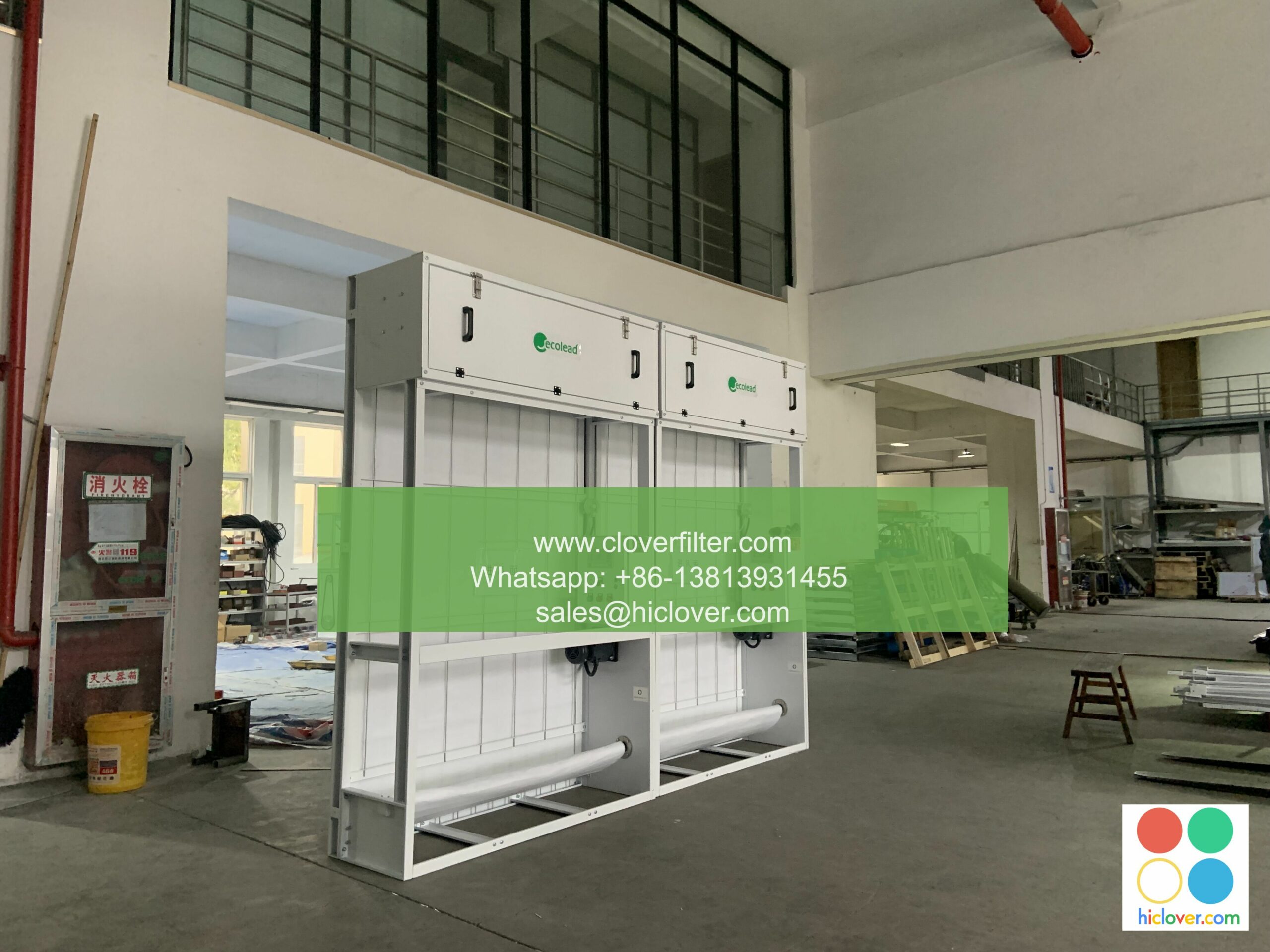
In industrial settings, particularly in manufacturing plants like those operated by Siemens, maintaining a high-quality indoor environment is crucial for both worker health and equipment performance. One of the most effective technologies used to enhance air quality is the Automatic Roll Air Filter system. This article delves into the science behind these filters, their operation, and their various application areas within Siemens facilities.
Understanding Air Quality in Industrial Environments

Air quality is essential in any workplace, yet it becomes even more critical in industries that involve heavy machinery, chemicals, or particulate matter. Poor air quality can lead to a range of problems, including respiratory issues for employees, reduced efficiency, and equipment malfunctions. Siemens plants, known for their innovation, leverage advanced technologies to combat these challenges.
What are Automatic Roll Air Filters?
Automatic Roll Air Filters are sophisticated filtration systems designed to remove airborne contaminants from the environment automatically. Unlike traditional air filters that require manual replacement, these systems feature a continuously rolling filter material that is automatically changed or repositioned as it becomes contaminated.
How do Automatic Roll Air Filters Work?
The mechanics of Automatic Roll Air Filters are based on continuous filtration. Here’s a breakdown of how they operate:

-
Filtration Medium: The core component is the roll of filter media, typically made of synthetic fibers capable of trapping dust, pollen, smoke, and even smaller particulates.
-
Automatic Operation: When a specific section of the filter becomes saturated, sensors detect the drop in filter efficiency. The system then automatically advances the roll, presenting fresh filter material for air purification.
-
Airflow Dynamics: As air is drawn through the filter, contaminants are trapped, allowing only clean air to pass through into the workspace. This process ensures that air quality remains consistently high.
-
Efficiency Monitoring: Modern filters come equipped with smart technology that allows for real-time monitoring of air quality and filter conditions. Alerts can prompt maintenance or filter changes, ensuring optimal performance.
Benefits for Siemens Plants
Implementing Automatic Roll Air Filters in Siemens manufacturing facilities offers several advantages:
Enhanced Worker Safety and Comfort
By effectively removing harmful airborne pollutants, these filters contribute to a safer and healthier workplace. Employees experience fewer respiratory issues and discomfort, which leads to increased morale and productivity.
Reduced Downtime and Maintenance Costs
Automatic Roll Air Filters minimize the need for manual maintenance, reducing downtime during filter changes. This leads to cost savings in both labor and replacement filters, ultimately contributing to the facility’s bottom line.
Energy Efficiency
These filters are designed to optimize airflow, which can significantly improve the energy efficiency of heating, ventilation, and air conditioning (HVAC) systems. As these systems don’t have to work as hard to circulate air, companies can lower their energy consumption and operational costs.
Application Areas of Automatic Roll Air Filters in Siemens Plants
Automatic Roll Air Filters find use in various application areas within Siemens plants, including:
1. Manufacturing Floors
In general manufacturing areas where particulate matter and airborne contaminants are prevalent, these filters ensure a consistent supply of clean air for both workers and machinery.
2. Clean Rooms
For operations requiring ultra-clean environments, such as the production of electronic components, Automatic Roll Air Filters maintain stringent air quality standards.
3. Laboratory Settings
In research and development laboratories, these filters promote a contaminant-free atmosphere, crucial for conducting experiments and developing new products.
4. Assembly Lines
In automotive and other assembly lines, controlling dust and airborne particles is essential for product quality and worker safety. Implementing these filters enhances operational efficiency.
Conclusion
The integration of Automatic Roll Air Filters in Siemens plants exemplifies the company’s commitment to innovation and excellence in manufacturing practices. By understanding the science behind these filtration systems, it becomes clear how they play a pivotal role in improving indoor air quality, ensuring employee safety, and optimizing operational efficiency. As industries continue to evolve, technologies like Automatic Roll Air Filters will remain at the forefront, driving positive change in work environments across the globe.
