The Science Behind Automatic Roll Air Filters: Improving Air Quality and Reducing Contamination in Montreal Semiconductor Factories
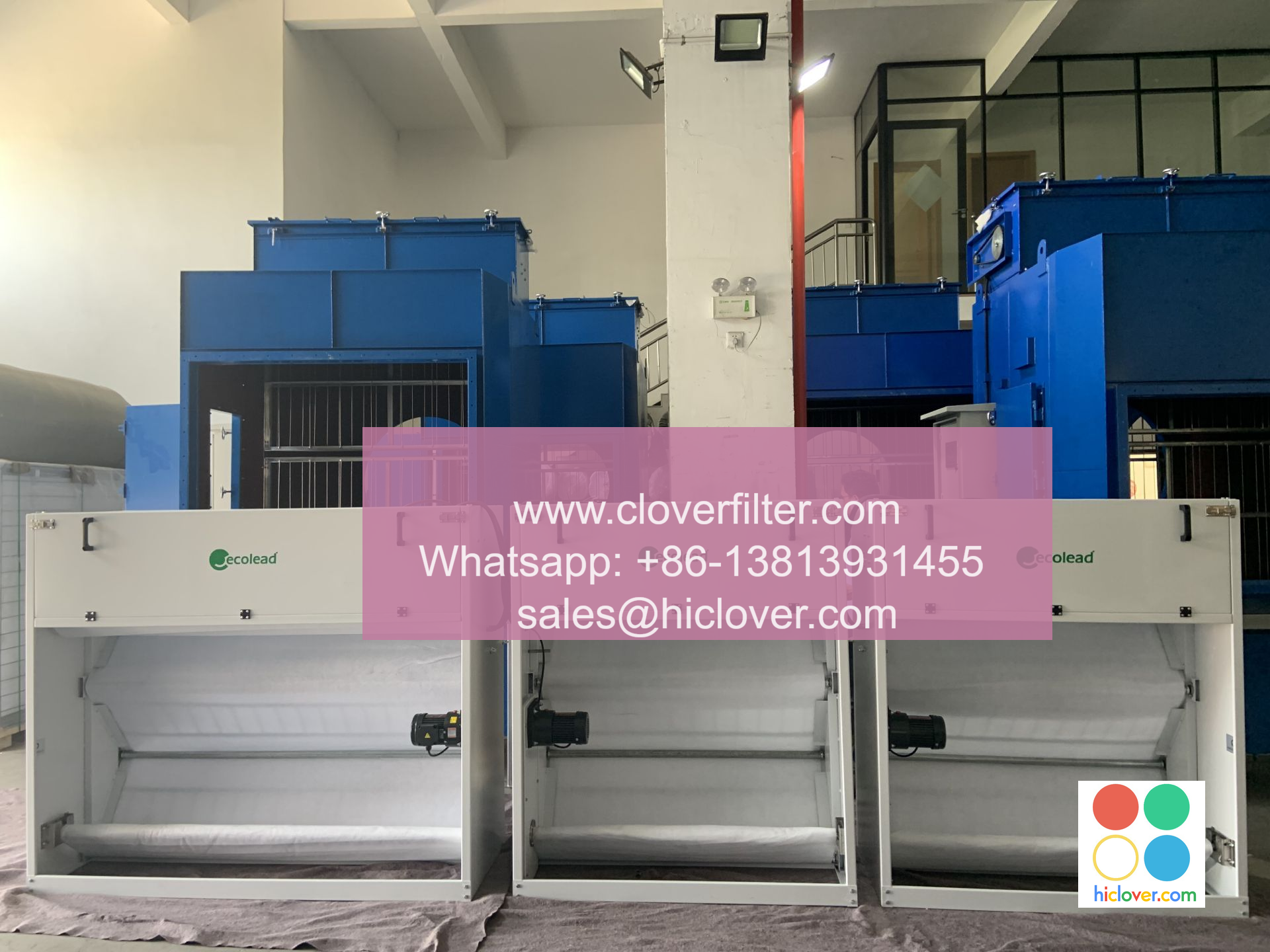
The Science Behind Automatic Roll Air Filters: Improving Air Quality and Reducing Contamination in Montreal Semiconductor Factories
In the heart of Montreal, semiconductor factories are on the cutting edge of technology, manufacturing components critical to various electronic devices. However, the production processes in these facilities demand an unparalleled level of air quality control. The science behind automatic roll air filters plays a crucial role in maintaining this high standard, ensuring the operations run smoothly and products remain contamination-free.

At the core of air quality management in semiconductor industries is the need to eliminate particulate contamination. Semiconductor manufacturing is sensitive to airborne particles, which can lead to defects in wafer production and negatively affect yield and quality. This is where automatic roll air filters come into play.
How Automatic Roll Air Filters Work
Automatic roll air filters operate using a mechanical system that utilizes a roll of filter material continually fed through an air handling unit. These filters are engineered to capture both large and small particles from the air, significantly reducing the contamination levels in cleanrooms and production facilities.
The primary working mechanism involves the principle of airflow dynamics. The filters create a negative pressure environment, forcing contaminated air through the filter media. The design of the filters often includes multiple layers with varying densities, optimizing the interception of different particle sizes.
Key features of these filters that enhance their efficiency include:

- HEPA and ULPA Ratings: High-Efficiency Particulate Air (HEPA) and Ultra-Low Penetration Air (ULPA) ratings ensure that these filters can trap at least 99.97% of particles, often down to 0.3 microns.
- Automatic Regulation: Equipped with sensors that monitor air quality and filter saturation, these systems adjust their operation based on real-time data, optimizing energy use and filter longevity.
- Space-Saving Design: The roll format allows for a compact installation without sacrificing filtration effectiveness.
Benefits of Automatic Roll Air Filters in Semiconductor Factories
The advantages of utilizing automatic roll air filters in Montreal semiconductor factories are numerous. Firstly, by significantly reducing airborne contaminants, they help maintain stringent cleanroom standards, which is vital for quality control in semiconductor fabrication. This results in higher product yields and lower defect rates, directly contributing to cost savings and enhanced reputation in the highly competitive tech industry.
Secondly, these filters contribute to energy efficiency. By incorporating intelligent controls and sensors, facilities can minimize the energy consumed by air handling units, leading to reduced operational costs. Furthermore, the periodic monitoring of filter status helps predict maintenance needs, extending the lifespan of both filters and the overall HVAC systems.
Environmental Impact
In addition to operational benefits, there is an environmental aspect to consider. Enhancements in air quality and reduced energy use play a role in lowering the carbon footprint of these semiconductor manufacturing facilities, aligning with global sustainability goals.
Conclusion
In conclusion, the implementation of automatic roll air filters within Montreal’s semiconductor factories illustrates a significant advancement in maintaining air quality and reducing contamination risks. Their design, efficiency, and adaptability have transformed cleanroom operations, ensuring that industries can meet their strict quality standards while also moving towards a more sustainable future. This synthesis of technology and environmental responsibility can serve as a model for other industries requiring stringent air quality control.
FAQs
1. What is the lifespan of an automatic roll air filter?
The lifespan of an automatic roll air filter varies depending on usage and particulate load, but typically ranges from 6 months to 2 years.
2. How often should filters be replaced?
Filters should be monitored regularly; replacement is usually required when airflow rates drop significantly or when pressure differentials indicate saturation.
3. Can automatic roll air filters improve energy efficiency?
Yes, by optimizing airflow and minimizing energy consumption through automatic adjustments, these filters can significantly enhance energy efficiency in HVAC systems.
4. Are these filters suitable for other industries?
Absolutely; while they are crucial in semiconductor manufacturing, automatic roll air filters can also benefit industries like pharmaceuticals, food processing, and microelectronics.
