The Science Behind Automatic Roll Air Filters in Glass Cooling Applications
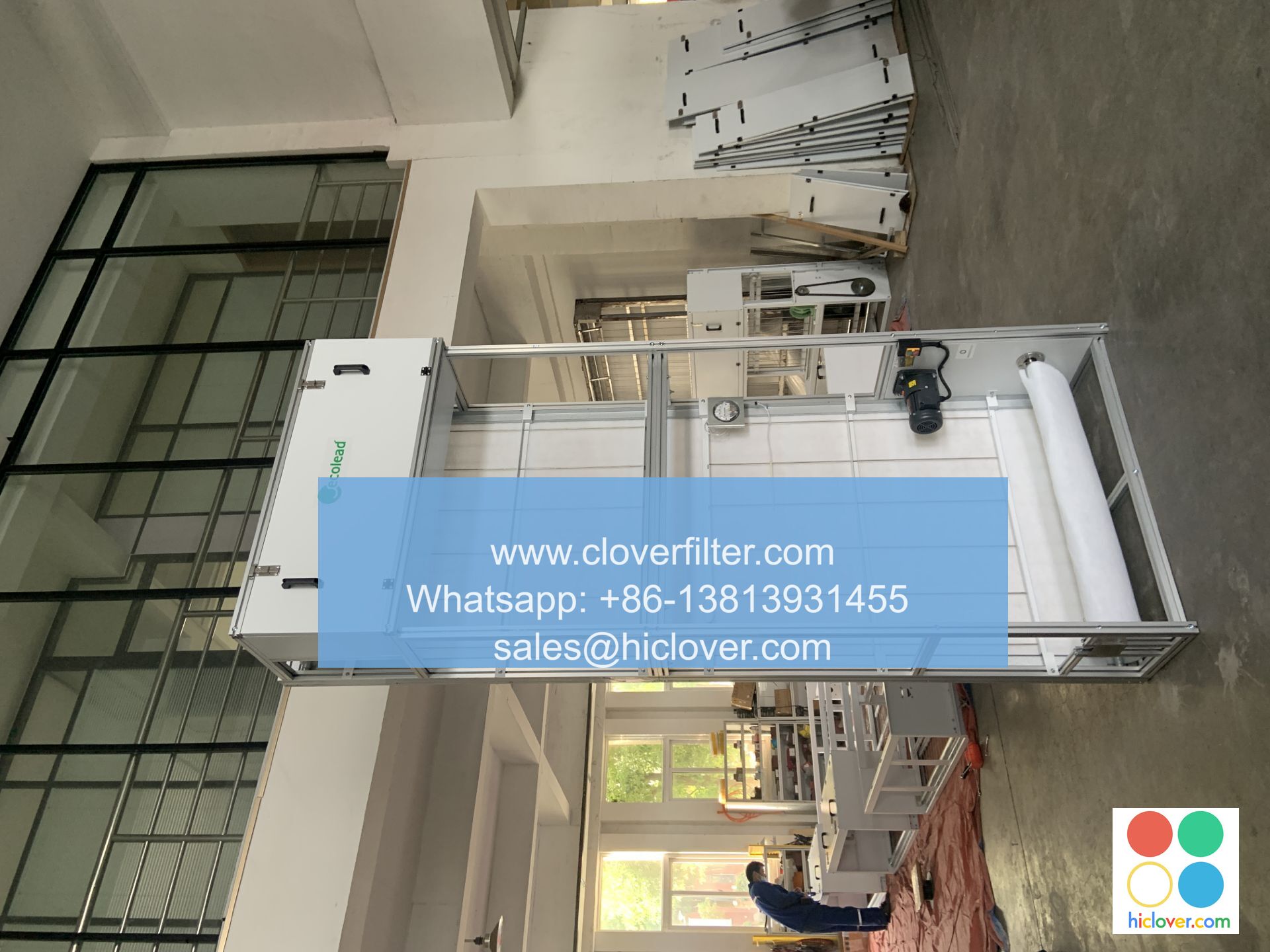
In the rapidly evolving world of manufacturing, particularly in glass production, maintaining optimal conditions during the cooling process is crucial. Among the several technologies in use today, automatic roll air filters stand out due to their efficiency and effectiveness. This article explores the science behind these innovative filters and their various applications in glass cooling.
Understanding Automatic Roll Air Filters
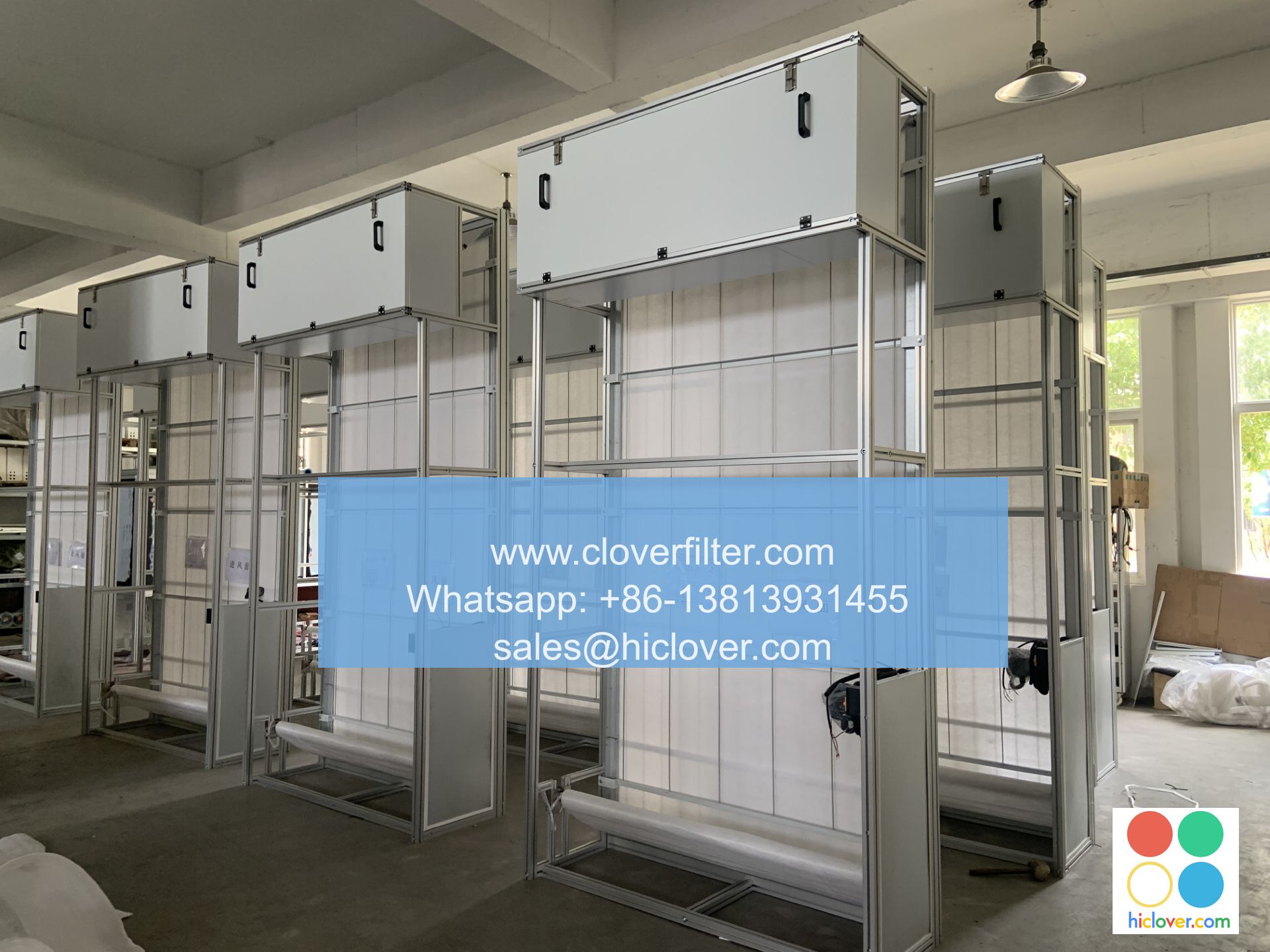
Automatic roll air filters are advanced filtration systems designed to maintain air quality and temperature control in cooling processes. These filters work by utilizing a series of air-tight rolls that automatically change, replacing the used filter material with fresh material as needed. This continuous operation ensures minimal interruption during the cooling cycle, which is vital for glass products that require precise temperature control to avoid defects.
The Technology at Work
The core principle of automatic roll air filters lies in their ability to trap particulate matter and contaminants from the air. This is achieved through several mechanisms:
- Mechanical Filtration: Larger particles are trapped by the filter media, keeping the cooling air free of unwanted debris.
- Electrostatic Attraction: Some roll filters use an electrostatic charge to attract and capture smaller particles, enhancing filtration efficiency.
- Layered Media: The filters often consist of multiple layers of different materials that selectively catch various sizes of pollutants.
Applications in Glass Cooling
There are several significant application areas where automatic roll air filters play a pivotal role:
1. Flat Glass Production
In the production of flat glass, maintaining an even temperature during the cooling phase is crucial. The use of automatic roll air filters ensures that the cooling air remains free of impurities that could cause surface defects, leading to higher-quality products.
2. Container Glass Manufacturing
For container glass applications, cleanliness during cooling is paramount. The filters help prevent contamination that can occur from dust or foreign particles, maintaining the integrity of the glass and adhering to quality standards.
3. Specialty Glass Fabrication
Specialty glass types, such as fiber optics or lens glass, require stringent cooling processes. Automatic roll air filters support these delicate operations by providing a consistent cooling environment, crucial for preventing internal stresses that could lead to cracking or failures.
Energy Efficiency and Cost Reduction
One of the primary advantages of using automatic roll air filters in glass cooling is their impact on energy efficiency. By maintaining optimal air quality, these systems reduce the overall energy consumption associated with cooling, thus providing significant cost savings over time. Furthermore, less downtime associated with filter changes enhances productivity in manufacturing processes.
The Future of Glass Cooling Applications
As manufacturers continue to seek ways to improve efficiency and product quality, the role of automatic roll air filters is expected to expand. Innovations in filter materials and designs will further enhance their effectiveness in various cooling applications. With sustainable practices becoming more prevalent in the industry, the integration of advanced filtration technologies will be critical to achieving eco-friendly production methods.
Automatic roll air filters are an integral component in modern glass cooling applications, delivering unmatched efficiency and quality assurance. As the glass manufacturing industry evolves, understanding the science behind these systems will be essential for maintaining competitive standards in product excellence and environmental responsibility.
It seems that you may have meant to provide a specific prompt or question. Could you please clarify what you’d like to know or discuss?
