The Science Behind Automatic Roll Air Filters in High-Purity Labs at UMICH
High-purity laboratories, such as those found at the University of Michigan (UMICH), require precise control over airborne contaminants to ensure the accuracy and reliability of research experiments. One crucial component in achieving this level of air quality is the use of automatic roll air filters. In this article, we will delve into the science behind these filters, exploring their application areas, and highlighting the key benefits they provide in maintaining a clean and stable laboratory environment.
Introduction to Automatic Roll Air Filters
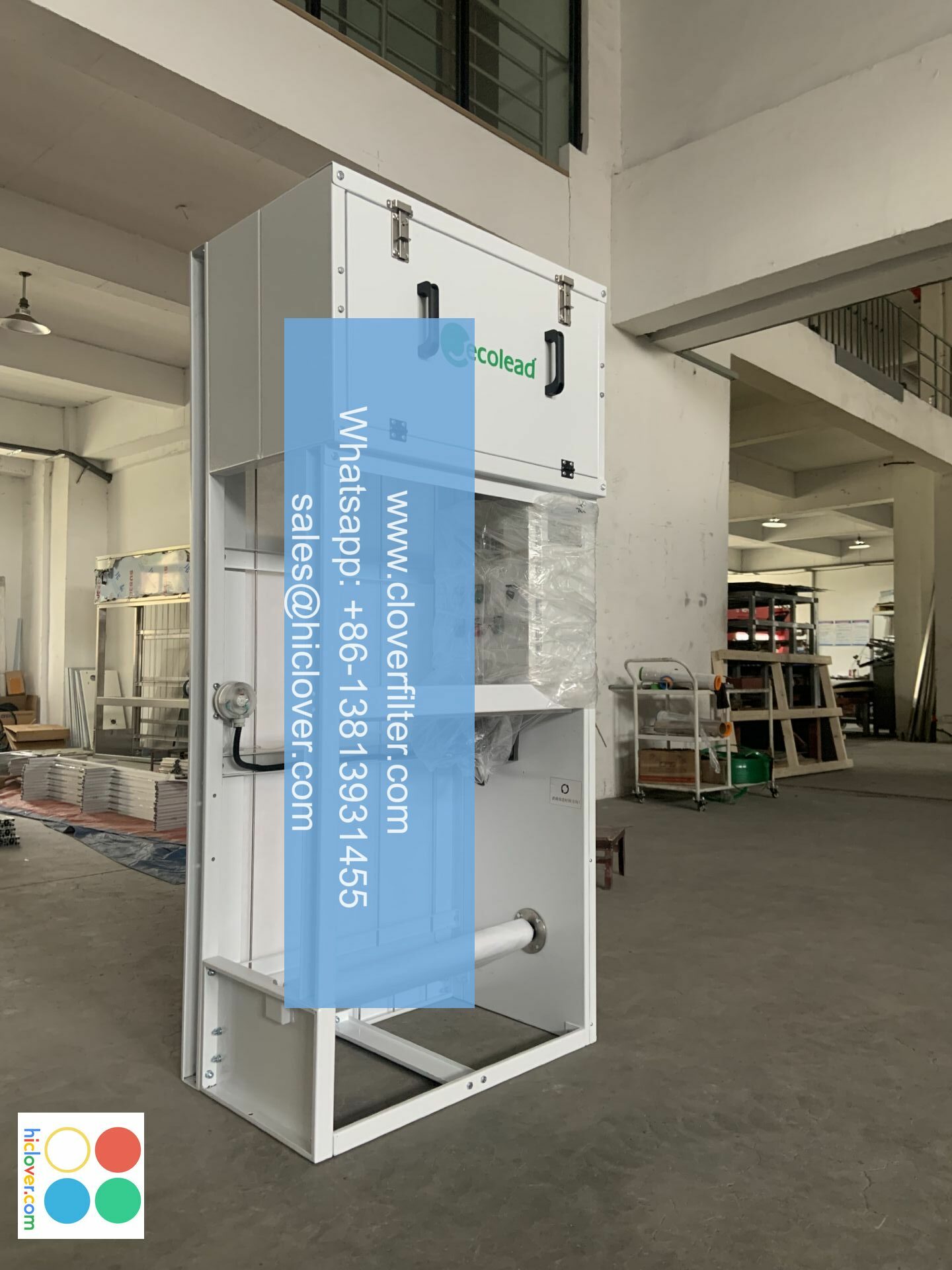
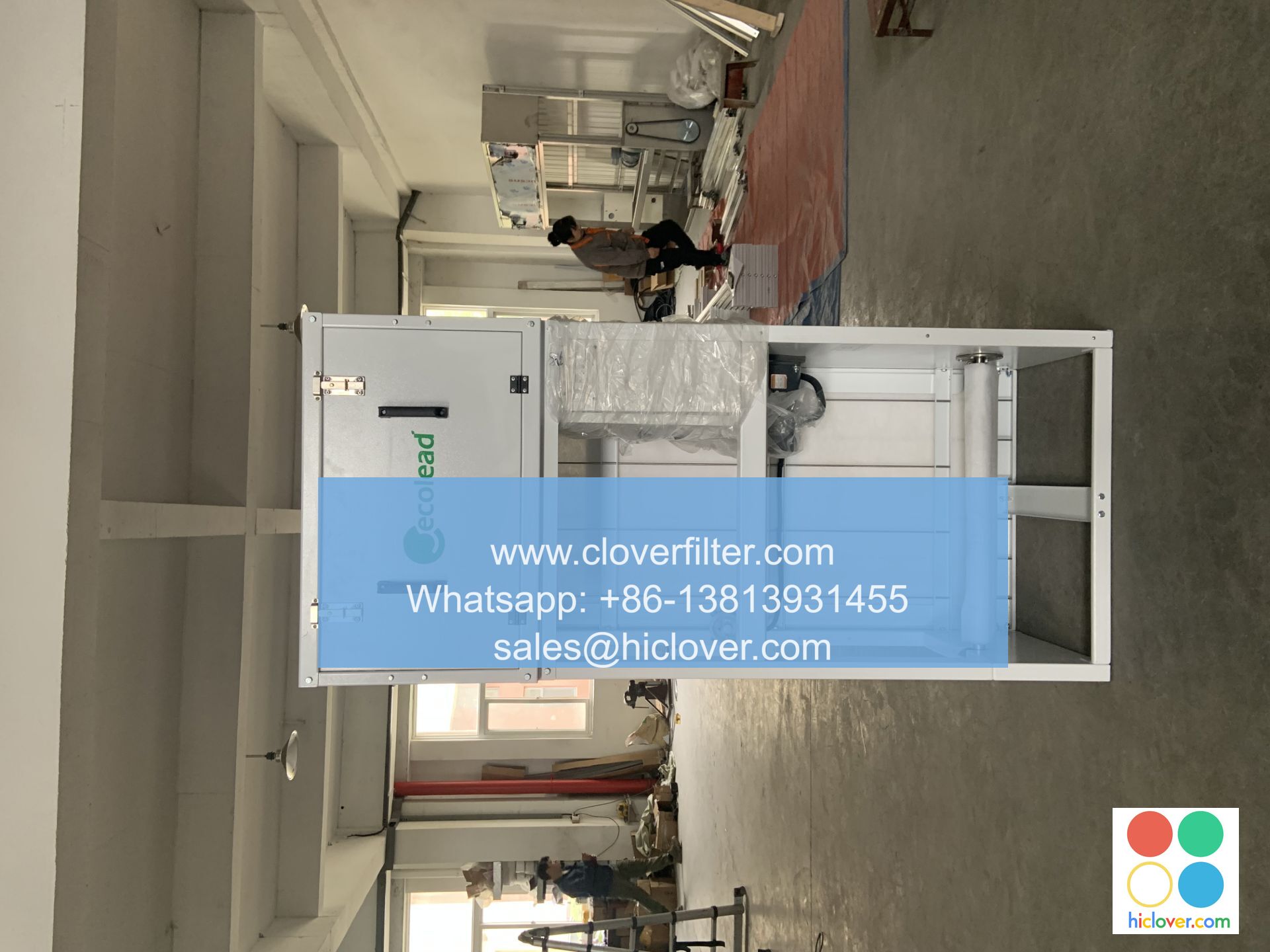
Automatic roll air filters are designed to capture airborne particles, including dust, pollen, and other contaminants, using a rolling mechanism that advances a new section of filter media as the old section becomes saturated. This continuous process ensures that the air flowing through the filter remains clean and free from particulates. The filters are typically installed in the HVAC systems of high-purity laboratories, where they play a critical role in maintaining the required level of air cleanliness.
Key Principles of Operation
The operation of automatic roll air filters is based on several key principles, including:
* Filter Media: The filter media used in automatic roll air filters is typically a pleated or non-pleated material, such as fiberglass or synthetic fibers, designed to capture particles as small as 0.3 microns.
* Airflow: The airflow through the filter is carefully controlled to ensure that the air is evenly distributed across the filter surface, allowing for efficient particle capture.
* Rolling Mechanism: The rolling mechanism advances a new section of filter media as the old section becomes saturated, ensuring continuous filtration and minimizing downtime.
Application Areas in High-Purity Labs
Automatic roll air filters have a wide range of applications in high-purity laboratories, including:
* Cleanroom Technology: Automatic roll air filters are used to maintain the strict air cleanliness standards required in cleanrooms, where even the smallest particles can contaminate sensitive equipment and experiments.
* Pharmaceutical Research: High-purity laboratories involved in pharmaceutical research rely on automatic roll air filters to prevent contamination and ensure the accuracy of research results.
* Nanotechnology: The precise control over airborne particles provided by automatic roll air filters is essential in nanotechnology research, where even the smallest particles can affect the properties of materials.
* Biotechnology: Automatic roll air filters are used in biotechnology laboratories to prevent contamination and ensure the stability of biological samples and experiments.
Benefits of Automatic Roll Air Filters
The use of automatic roll air filters in high-purity laboratories provides several key benefits, including:
* Improved Air Quality: Automatic roll air filters ensure that the air in the laboratory is free from particulates and contaminants, providing a stable and reliable environment for research experiments.
* Increased Efficiency: The continuous operation of automatic roll air filters minimizes downtime and reduces the need for manual filter replacement, increasing the overall efficiency of the laboratory.
* Cost Savings: The extended lifespan of automatic roll air filters and reduced maintenance requirements result in cost savings for the laboratory.
Conclusion
In conclusion, automatic roll air filters play a critical role in maintaining the high-purity environment required in laboratories such as those found at UMICH. By understanding the science behind these filters and their application areas, researchers and laboratory managers can ensure that their facilities are equipped with the necessary technology to support accurate and reliable research results. The benefits of automatic roll air filters, including improved air quality, increased efficiency, and cost savings, make them an essential component in high-purity laboratories.
