The Science Behind Effective Air Filter Manufacturing
Key Takeaways:
- An Automatic Roll Air Filter represents a significant advancement in air filter manufacturing technology.
- Roll media provides efficient particulate control, leading to improved indoor air quality.
- Different applications, including data centers and battery factories, necessitate tailored airflow rates and filter specifications.
- The maintenance reduction offered by these filters can lead to substantial cost savings over time.
- Compatibility with standards like ISO 16890 aids facilities in meeting regulatory requirements.
- Understanding system installation locations is key for optimal filter performance.
- Selecting the right air filter involves several parameters like frame size, media length, and control options.
- Roll Media Advance Logic: The filter automatically rolls forward, exposing fresh media as it becomes dirty, maximizing usage and performance.
- Differential Pressure Trigger: The system senses changes in airflow and adjusts the media supply based on need, optimizing performance.
- Timer Mode: Allows for predetermined operational cycles, ensuring filters are maintained proactively.
- Airflow Range: Assess the specific airflow needs of your system to choose a filter that can handle the required capacity.
- Face Velocity: Determine the optimal velocity at which air should pass through the filter to maximize effectiveness without incurring excessive pressure drop.
- Media Width/Length: Select dimensions that fit your installation space while ensuring adequate surface area for filtration.
- Frame Size: Choose a frame that accommodates the filter and is compatible with your existing system.
- Control Options: Determine if automation or manual control is necessary, based on the complexity of your HVAC system or operational requirements.
- Power Supply: Identify whether the filter needs an external power source or can operate through existing chemistry.
- Installation Location: Know whether the filter will be installed upstream (fresh air intake), downstream (return air), or in service (process) locations for optimal performance.
- Ignoring Specific Requirements: Customizing filters based on specific application needs is crucial; avoid using a one-size-fits-all approach.
- Neglecting Pressure Drop Effects: Installing filters without understanding their pressure drop can lead to system inefficiencies.
- Failing to Monitor Filter Condition: Not regularly checking filter status can result in reduced performance.
- Misjudging Face Velocity: Selecting filters without analyzing the application’s necessary face velocity can cause airflow issues.
- Overlooking Maintenance Schedules: Infrequent maintenance can lead to filter failure and decreased air quality.
- Not Considering Control Options: Choosing filters without appropriate control mechanisms may compromise operational efficiency.
- Forgetting about Compliance Needs: Ensure filters align with industry standards for effective regulatory compliance.
Understanding Air Filter Manufacturing

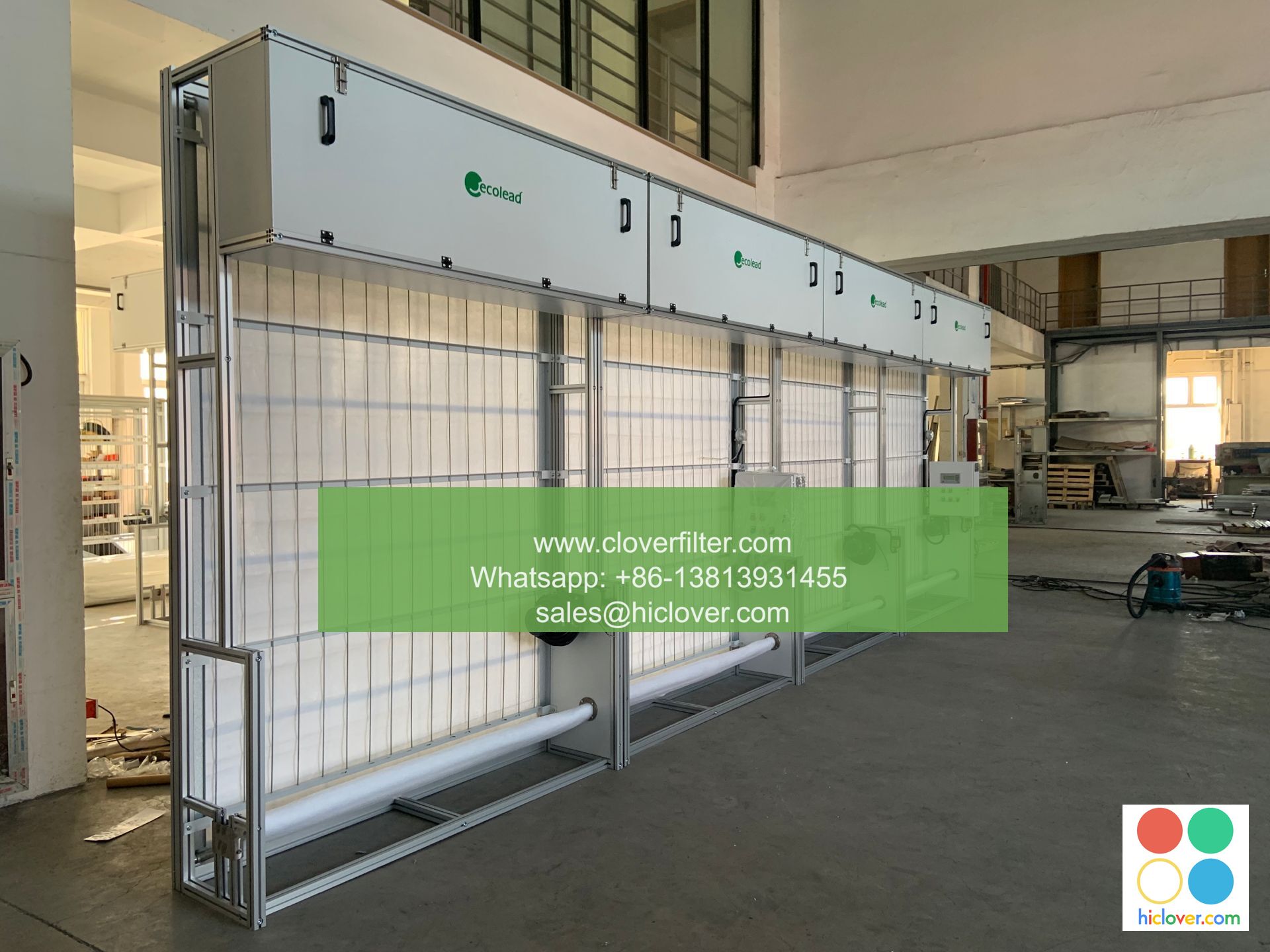
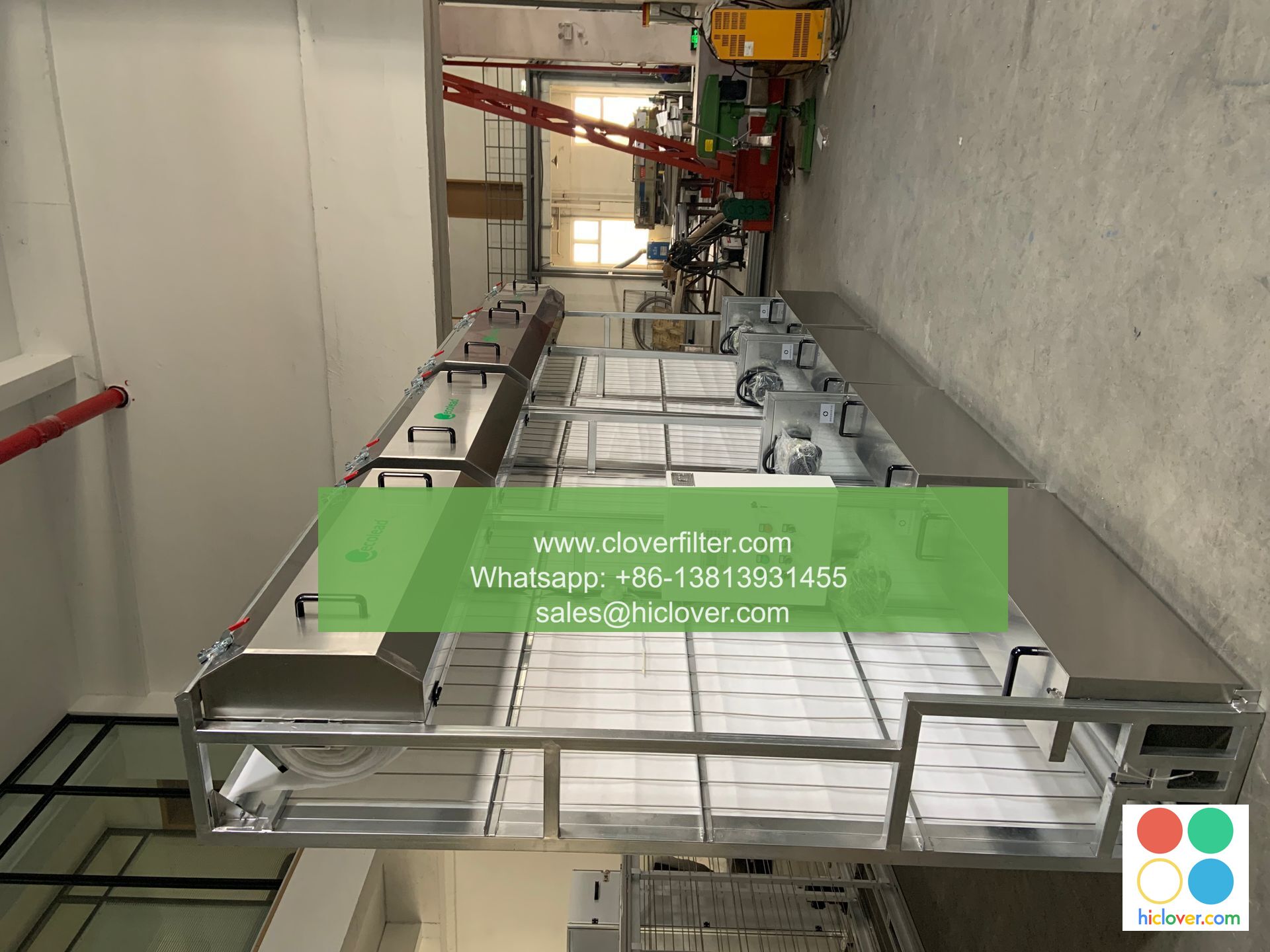
Air filter manufacturing is a critical process that employs advanced technologies to produce filters designed to meet the specific needs of various environments. At the core of effective air filtration is the Automatic Roll Air Filter, a system that utilizes continuous roll media to capture airborne particles effectively. This design innovatively advances the filtration material, ensuring that dust and other pollutants are efficiently trapped, thus maintaining the air quality within facilities such as data centers, manufacturing plants, and hospitals.
What is an Automatic Roll Air Filter?
An Automatic Roll Air Filter is a sophisticated filtration system that utilizes a continuously advancing roll of filter media. This technology is particularly beneficial in HVAC (Heating, Ventilation, and Air Conditioning) systems and air handling units (AHUs). The filter operates using differential pressure triggers, which activate the roll media advancement as the pressure rises, indicating a higher concentration of particulates. This feature enables a timer mode that can be set to control the frequency of media advancement, ensuring consistent airflow and energy efficiency.
How It Works
Selection Guide for Air Filter Manufacturing
Choosing the right air filter requires careful consideration of various parameters. Here’s a practical selection guide for procurement managers and facility engineers:
Comparison of Air Filter Types
| Filter Type | Best Use Case | Maintenance | Pressure Drop Behavior | Operating Cost | Typical Risk/Downside |
|---|---|---|---|---|---|
| Automatic Roll Air Filter | Large commercial HVAC systems | Low | Low to Moderate | Medium to Low | Initial higher cost |
| Bag Filter | Industrial applications | Moderate | Moderate | Medium | Space constraints |
| Panel Filter | General-purpose HVAC | High | High | High | Frequent replacement |
| V-bank | High airflow applications | Low to Moderate | Low | Low | Limited particle size |
Common Mistakes & How to Avoid Them
Identifying and avoiding common pitfalls in air filter selection and implementation can lead to more effective air quality control. Here are some key mistakes to watch out for:
Real-World Scenarios
Data Center
In a high-performance data center, maintaining optimal humidity and temperature levels is crucial. An Automatic Roll Air Filter employs advanced particulate control, allowing the facility to effectively manage airflow while minimizing energy costs.
Battery Factory
For manufacturing lithium batteries, a clean environment is essential. The Automatic Roll Air Filter helps control airborne particles that can compromise product quality and safety, supporting ISO 16890 compliance measures without any false claims.
Paint Shop
In a paint booth, controlling VOCs and particulates is vital for worker safety and product quality. The roll filter design ensures the effective capture of overspray while reducing maintenance needs, allowing for longer production runs.
Textile/Steel/Cement Plant
In these industrial settings, high levels of particulate matter can cause significant issues. The Automatic Roll Air Filter provides robust filtration capabilities, helping maintain a cleaner environment and complying with relevant environmental standards.
Conclusion
The air filter manufacturing process is complex and essential for ensuring optimal air quality in various industrial applications. The Automatic Roll Air Filter by CloverFilter illustrates the advancements in filtration technology that facilitate improved efficiency, reduced maintenance, and enhanced air quality. To learn more about the benefits of implementing high-performance air filtration solutions like CloverFilter’s products, visit CloverFilter.
Meta Description: Explore the science behind air filter manufacturing, focusing on Automatic Roll Air Filters and their benefits for various industrial applications.
For personalized advice and tailored solutions in the air filtration arena, contact CloverFilter at CloverFilter Contact.
It looks like you entered “Prompt” without additional context. How can I assist you? Are you looking for a writing prompt, a specific type of explanation, or something else? Let me know!
