The Science Behind HEPA Air Filter Integrations
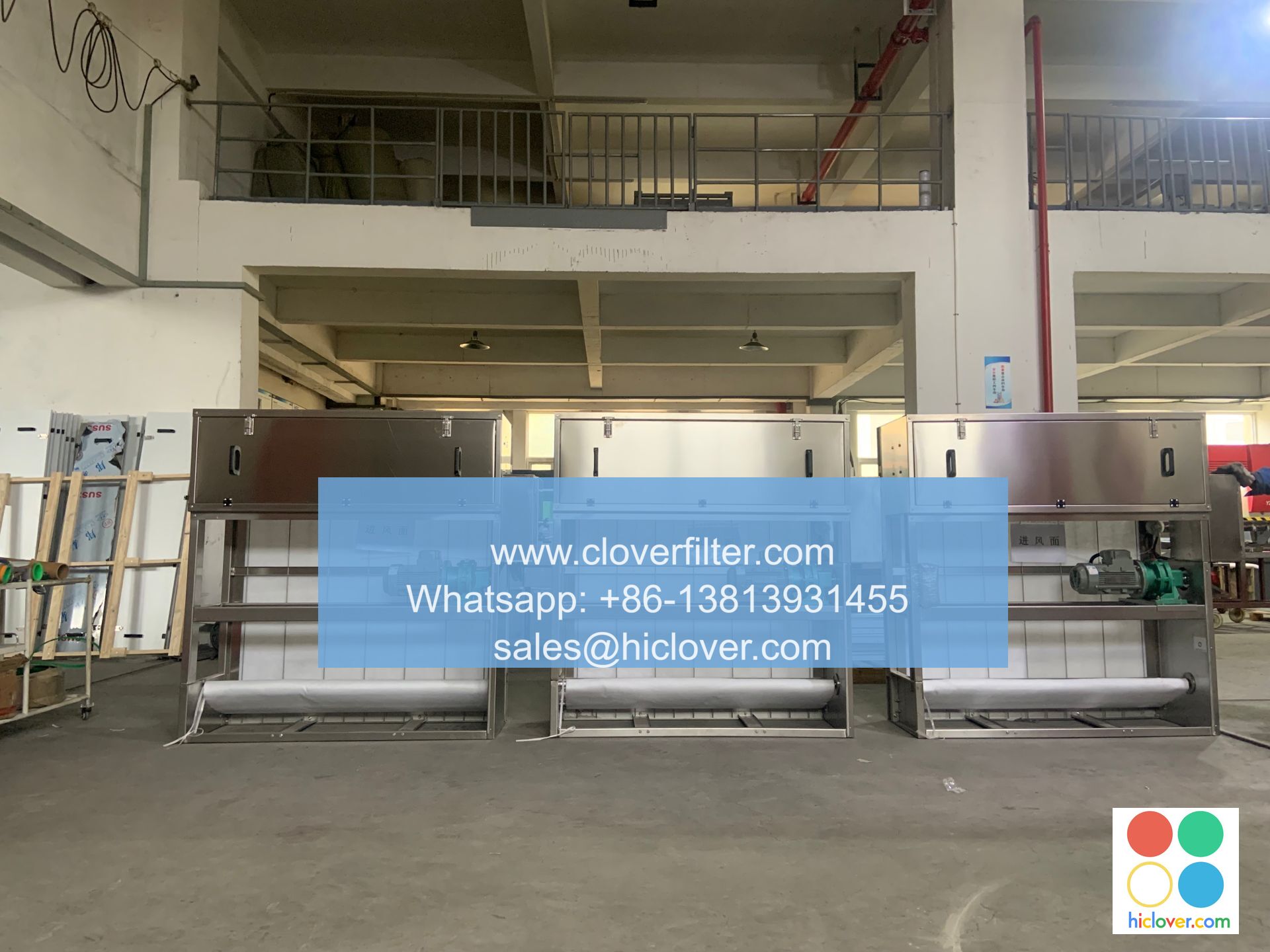
Air quality is an often-overlooked aspect of health and well-being. With rising pollution levels and increased awareness about indoor air quality, HEPA (High-Efficiency Particulate Air) filters have gained significant popularity. This article explores the science behind HEPA air filter integrations, their working mechanism, and various application areas where they prove to be indispensable.
What is a HEPA Filter?
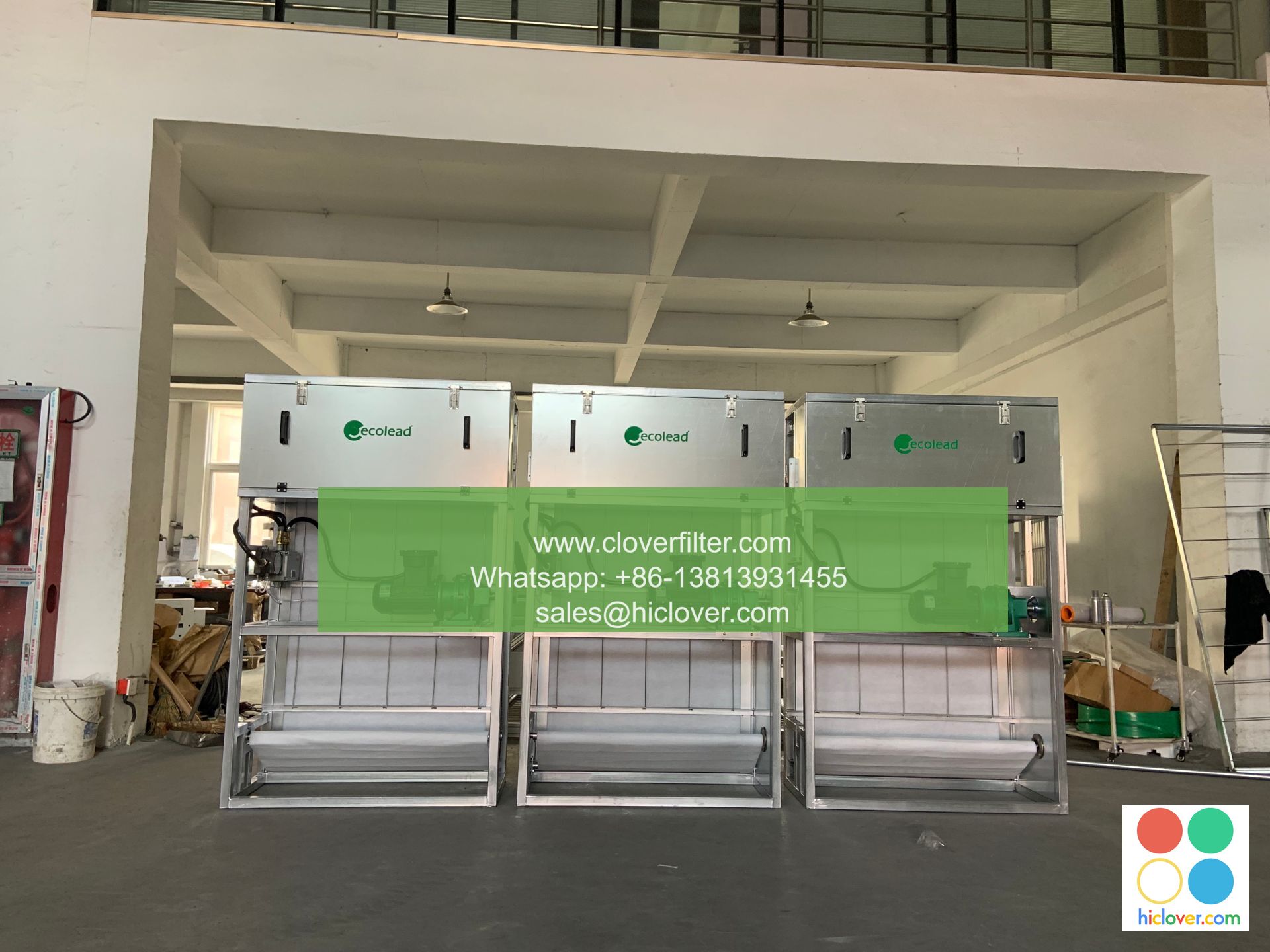
A HEPA filter is a type of mechanical air filter that is designed to trap airborne particles as small as 0.3 microns with an efficiency of 99.97%. This includes allergens like pollen, pet dander, dust mites, and even some bacteria and viruses. The effectiveness of HEPA filters is defined by stringent standards set by the U.S. Department of Energy (DOE).
Key Features of HEPA Filters
-
Particle Filtration: HEPA filters are built to capture particles primarily through three mechanisms: inertial impact, interception, and diffusion. These intricate processes ensure that even the tiniest particles are effectively trapped.
-
Material Composition: Typically, HEPA filters are composed of a fibrous material such as glass fiber, which has a high surface area to maximize air passage while trapping contaminants.
-
Airflow Resistance: Although HEPA filters are efficient at trapping particles, they can create resistance to airflow. Manufacturers often devise solutions to balance efficiency and airflow, ensuring optimal performance without excessive energy consumption.
How HEPA Filters Work

The Trapping Mechanism
HEPA filters utilize a combination of physical barriers and air dynamics to catch particles. When air passes through the filter, bigger particles collide with the fibers and get trapped. Smaller particles behave more erratically due to Brownian motion, making it more likely they will stick to the fibers as they navigate through the filter material.
Integration in HVAC Systems
HEPA filters are commonly integrated into HVAC (Heating, Ventilation, and Air Conditioning) systems for enhanced air quality. By incorporating a HEPA filter into HVAC systems, buildings can achieve better air purification, drastically reducing airborne contaminants and improving overall health.
Standalone Air Purifiers
In addition to HVAC systems, HEPA filters are also widely used in standalone air purifiers. These devices offer flexibility in application, as they can be used in homes, offices, and various public spaces. Many modern air purifiers combine HEPA filtration with activated carbon filters to also remove odors and volatile organic compounds (VOCs).
Applications of HEPA Filters
1. Residential Settings
Within residential settings, HEPA filters can significantly improve indoor air quality. Homes with pets, allergies, or respiratory conditions can benefit from reducing allergens and particulate matter. Air purifiers with HEPA integration are becoming essential fixtures in many households.
2. Healthcare Facilities
In hospitals and clinics, maintaining sterile environments is crucial. HEPA filters are a vital part of infection control strategies, capturing airborne pathogens and reducing the risk of hospital-acquired infections. HEPA filters are used in surgical theaters, isolation rooms, and patient wards.
3. Industrial Applications
Manufacturing plants and laboratories often require stringent air quality standards. HEPA filters can be effectively integrated into clean rooms to meet regulations for particulate control, ensuring that sensitive manufacturing processes or research activities are not compromised.
4. Transportation
From commercial aircraft to public transportation, HEPA filters are vital for maintaining healthy air quality. Airlines often implement HEPA filtration systems to purify cabin air, reducing the transmission of airborne diseases among passengers.
Conclusion
The integration of HEPA air filters is not just a trend but a scientifically backed method to improve air quality across various settings. From homes to hospitals and industrial sites, their efficiency and effectiveness in trapping microscopic contaminants offer an essential line of defense against health risks associated with poor air quality. Investing in HEPA filtration systems can lead to substantial benefits for health, productivity, and overall well-being.
It seems like you might have a specific request or topic in mind that you would like to discuss or explore. Could you please provide more details or clarify what kind of prompt you would like? Whether it’s a writing prompt, a topic for discussion, or something else, I’m here to help!
