The Science Behind HVAC Filters: What Mwanza Patrol Craft Need to Know
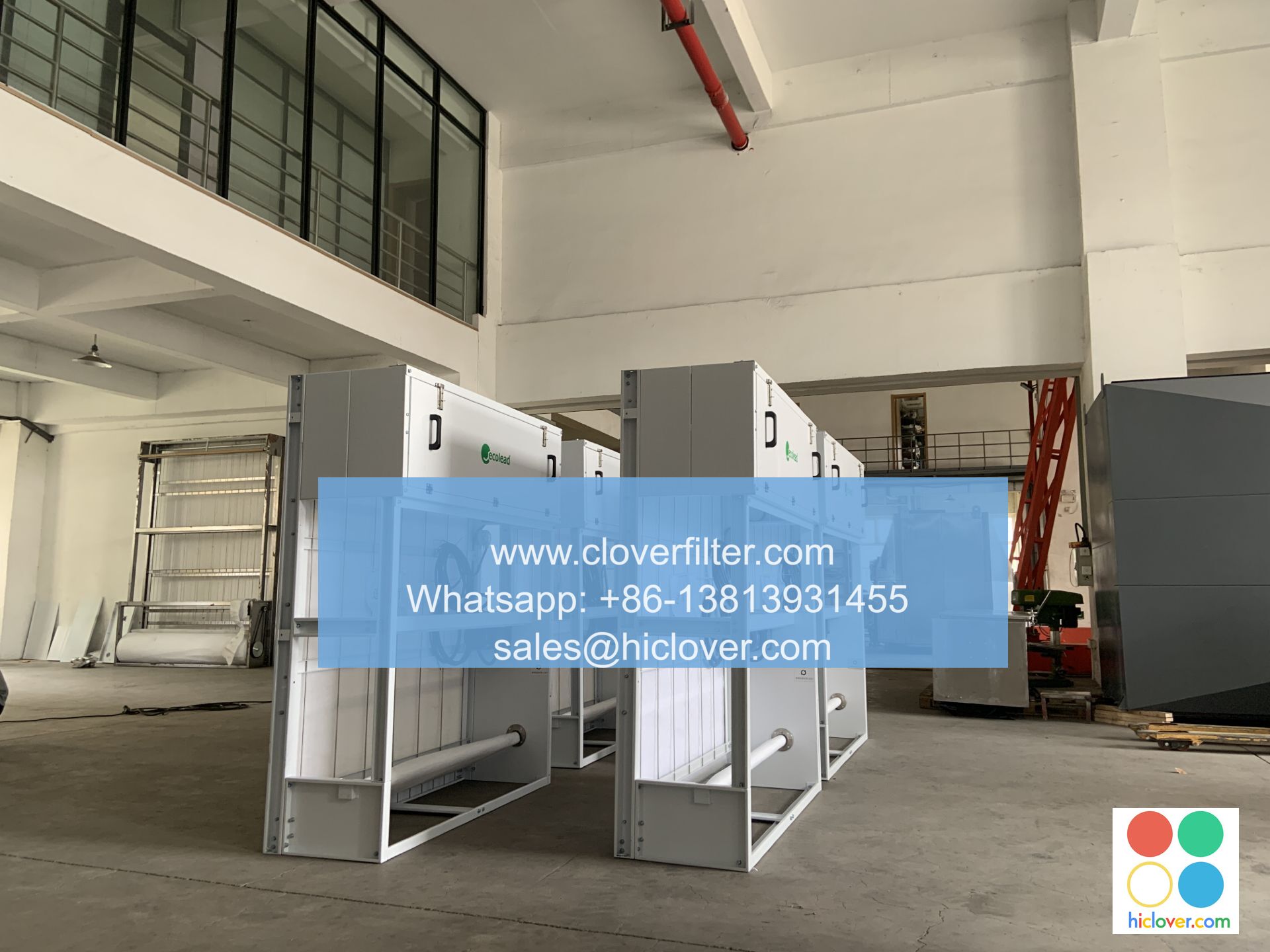
When it comes to maintaining air quality in various environments, including patrol crafts like those operating in Mwanza, understanding HVAC (Heating, Ventilation, and Air Conditioning) filters is crucial. These components serve a critical role in ensuring a safe and comfortable atmosphere for crew members while protecting vital equipment from contaminants. This article breaks down the science behind HVAC filters, delving into their types, applications, and maintenance considerations.
What Are HVAC Filters?

HVAC filters are devices designed to remove airborne particles from the air that circulates through heating and cooling systems. They are essential for maintaining air quality and can positively impact health and the efficiency of HVAC systems.
Key Functions of HVAC Filters
- Particle Removal: HVAC filters capture dust, dirt, pollen, and other particles, preventing them from recirculating.
- Microbial Control: Certain filters can trap bacteria, mold spores, and viruses.
- System Protection: Filters help prevent HVAC systems from becoming clogged, which can lead to equipment failure.
- Odor Control: Some filters can help to neutralize or reduce odors in the air.

Types of HVAC Filters
Understanding the various types of HVAC filters can help patrol craft operators choose the right one for their needs:
1. Fiberglass Filters
- Composition: Made of layered fiberglass strands.
- Application: Primarily used in residential systems.
- Advantages: Inexpensive and effective at capturing large particles.
- Drawbacks: Lower efficiency in removing smaller particles and gases.
2. Pleated Filters
- Composition: Made from polyester or cotton, pleated for increased surface area.
- Application: Suitable for both residential and commercial applications.
- Advantages: Higher efficiency, longer lifespan, and less pressure drop.
- Drawbacks: More expensive than fiberglass filters.
3. HEPA Filters
- Composition: Made from a mat of randomly arranged fibers.
- Application: Commonly used in environments where air quality is critical, including medical facilities and laboratories.
- Advantages: Can capture 99.97% of particles that are 0.3 microns in size.
- Drawbacks: Higher cost and may require more powerful equipment due to increased resistance.
4. Carbon Filters
- Composition: Contain activated carbon to absorb odors and gases.
- Application: Often used in conjunction with other filter types or in HVAC systems where odor control is essential.
- Advantages: Excellent at removing volatile organic compounds (VOCs) and odors.
- Drawbacks: Limited at filtering particles like dust and pollen.
Importance of HVAC Filters for Patrol Crafts in Mwanza
Patrol crafts operating in Mwanza, especially those that traverse bustling or industrial environments, face unique challenges:
Healthy Air Quality
Good air quality is essential for the health and performance of crew members. Using the appropriate HVAC filters can minimize exposure to harmful pollutants, allergens, and particulate matter.
Equipment Longevity
The confined spaces on patrol crafts often mean that HVAC systems have to work harder. Choosing the right filters not only improves air quality but also protects delicate instruments and machinery onboard, reducing the likelihood of costly repairs or replacements.
Efficiency and Cost Savings
Regularly monitoring and replacing HVAC filters enhances system efficiency. This translates into lower energy costs, which is especially crucial for patrol crafts that operate on strict budgets.
Maintenance Tips for HVAC Filters
Regular Inspections
Patrol craft operators should conduct inspections of HVAC filters regularly. Depending on the environment and usage, filters may need to be changed every 1 to 3 months.
Clean vs. Replace
Some HVAC filters are washable and reusable, while others are designed for one-time use. Follow the manufacturer’s guidelines for maintenance to ensure optimal performance.
Keep Records
Maintaining a log of filter replacement dates can help in planning maintenance schedules and tracking performance over time.
Conclusion
Understanding the science behind HVAC filters is paramount for Mwanza patrol craft operators. These systems play a vital role in maintaining air quality, equipment longevity, and operational efficiency. By selecting the right filters and implementing a proactive maintenance plan, operators can ensure a safer and healthier environment for their teams. Investing in quality HVAC filters not only safeguards health but also promotes sustainability and cost-effectiveness in military operations on the water.
It seems like you might be looking for a specific prompt or topic for discussion. Could you please provide more details or specify what kind of prompt you’re interested in? This could be related to writing, brainstorming ideas, or any subject matter you’re curious about!
