The Science Behind Roll Intake Dust Filters in Health Facilities
In health facilities, the need for clean and contaminant-free air is paramount for the safety and well-being of patients and staff. This is where roll intake dust filters come into play. This article delves into the science behind these vital components, their mechanisms, and their various application areas within healthcare environments.
Understanding Roll Intake Dust Filters
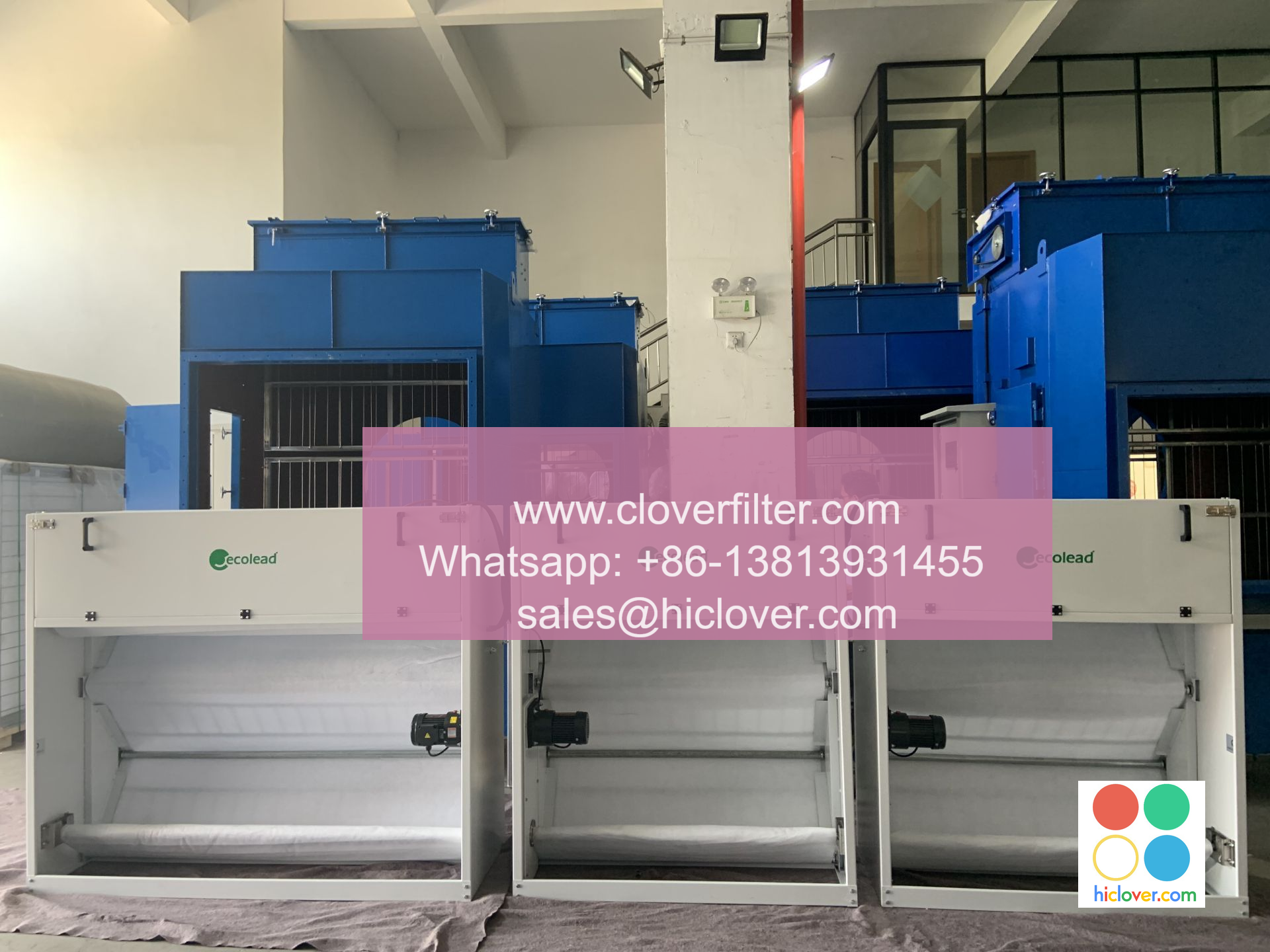
Roll intake dust filters are specialized filtration devices designed to capture particulate matter from the air. These filters are typically composed of multiple layers of filter media, which can include synthetic fibers, activated carbon, or electrostatically charged materials. The purpose of these filters is to prevent dust, allergens, and other harmful particles from entering sensitive areas, ensuring a safe environment.
How Roll Intake Dust Filters Work
The operation of roll intake dust filters relies on several scientific principles, including:
-
Mechanical Filtration: This involves the physical blocking of particles as air passes through the filter media. Larger particles are caught first, while smaller ones may pass into subsequent layers.
-
Electrostatic Attraction: Some filters employ electrostatically charged fibers that attract and trap fine dust and allergens. This enhances their efficiency without requiring higher air resistance.
-
Adsorption: Filters can also contain activated carbon, which adsorbs gases and odors. This is particularly valuable in healthcare settings where maintaining a pleasant atmosphere is critical.

Importance in Health Facilities
Infection Control
Roll intake dust filters play a crucial role in infection control. By filtering out airborne pathogens, these devices help reduce the risk of hospital-acquired infections (HAIs). In areas such as operating rooms and intensive care units (ICUs), maintaining a sterile environment is essential for patient safety.
Energy Efficiency
Implementing roll intake dust filters can enhance the energy efficiency of heating, ventilation, and air conditioning (HVAC) systems in healthcare facilities. By reducing the workload on fans and HVAC units, these filters contribute to lower energy consumption and operational costs.
Application Areas
1. Operating Rooms
In operating rooms, the air quality is fundamental. Roll intake dust filters ensure that air is free from contaminants and particulates, safeguarding patients during procedures.
2. Laboratories
In biomedical and research laboratories, maintaining a sterile environment is critical. Roll intake dust filters help keep airborne contaminants at bay, ensuring the integrity of experiments and patient results.
3. Patient Waiting Areas
In patient waiting areas, comfort and air quality are vital. Roll intake dust filters not only improve air cleanliness but also reduce allergens, providing a more welcoming atmosphere for patients and their families.
4. Isolation Rooms
In isolation rooms, where patients with contagious diseases are kept, roll intake dust filters are essential. They help control airborne pathogens, minimizing the risk of transmission to healthcare workers and other patients.
Conclusion
In conclusion, roll intake dust filters are an indispensable component of health facilities, ensuring air quality, controlling infections, and enhancing energy efficiency. Understanding the science behind these filters allows for better implementation and optimization, ultimately improving patient care and safety. As healthcare continues to evolve, the importance of effective air filtration systems remains paramount in fostering a healthy environment.
By investing in advanced roll intake dust filter technology, health facilities can protect their most valuable assets – their patients and staff.
It looks like you might want to provide me with a prompt or a specific topic to discuss. Could you please share what you’re looking for? Whether it’s a question, story idea, or something else, I’m here to help!
