The Science Behind Roll Media Filters: Transforming Mombasa’s Fisheries

Introduction
The fishing industry is foundational to Mombasa’s economy, providing livelihoods for thousands while supplying abundant seafood to local markets and beyond. However, challenges such as water quality and environmental sustainability loom large. Recent advancements in water filtration technology, particularly Roll Media Filters, have emerged as a game-changer, enabling the enhancement of water quality and contributing to the sustainability of fisheries in the region.

Understanding Roll Media Filters
What are Roll Media Filters?
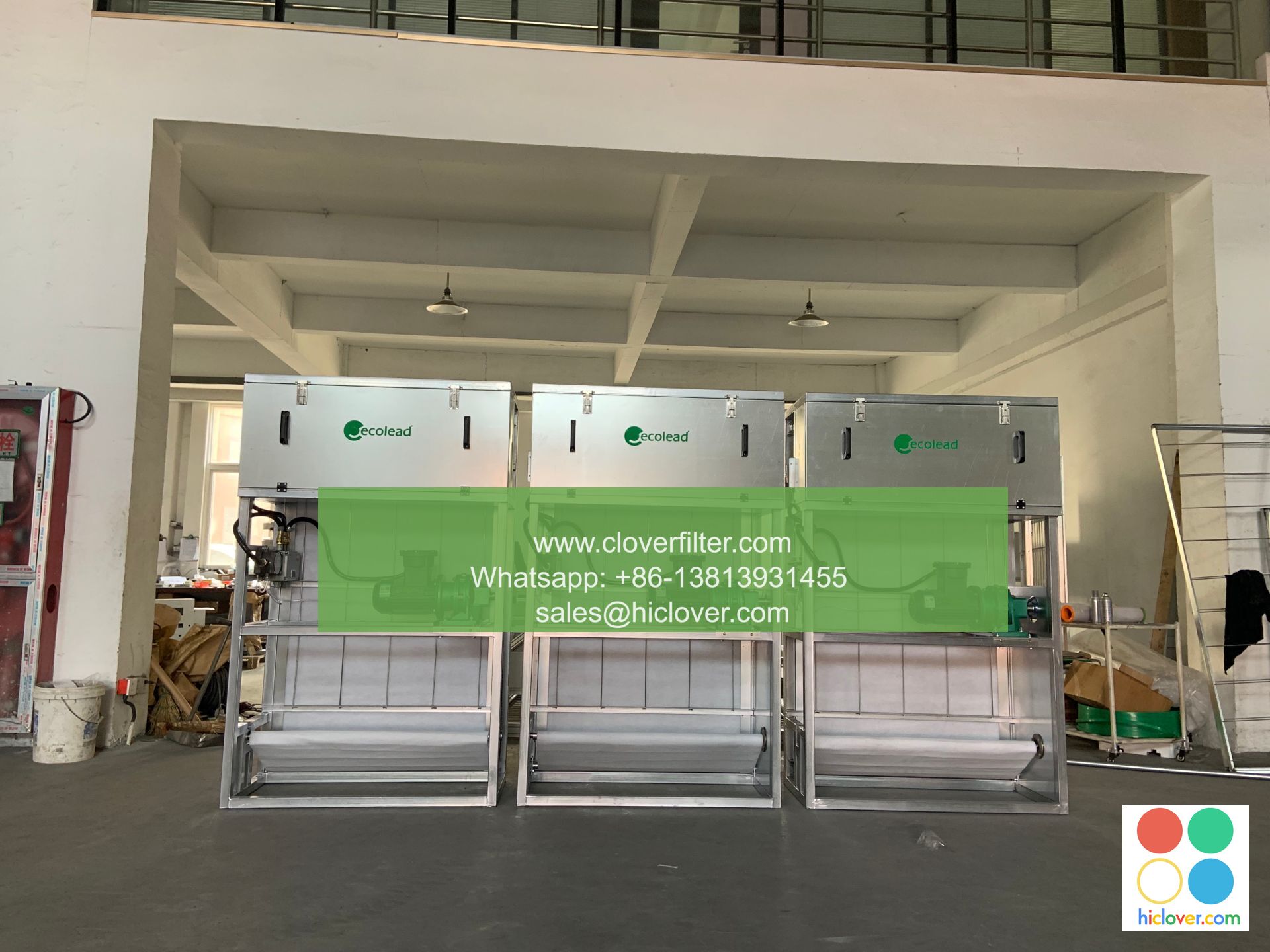
Roll Media Filters are advanced filtration systems that utilize a continuous, rolling media to capture and remove contaminants from water. These filters consist of a porous material or mesh formed in a roll which allows for thorough filtration while maximizing surface area. Their innovative design leads to efficient water purification, making them particularly suitable for the varying demands of fisheries.
The Mechanism
The underlying science of Roll Media Filters involves several key filtration processes:
- Mechanical Filtration: Solid particles, contaminants, and debris are trapped within the media, allowing clean water to flow through.
- Biological Filtration: Beneficial microorganisms colonize the filter media, further breaking down pollutants and naturalizing nutrient levels in the water.
- Chemical Filtration: Certain filters can also incorporate chemical treatments that aid in the removal of dissolved substances and improve water cleanliness.
Application Areas in Mombasa’s Fisheries
Enhancing Fish Breeding Programs
In Mombasa, aquaculture practices have seen significant improvements due to the installation of Roll Media Filters. These systems provide clean water essential for the breeding and growth of fish. By maintaining optimal water quality, fish farmers can enhance survival rates and boost productivity.
Improving Water Recirculation Systems
Roll Media Filters are essential in recirculating aquaculture systems (RAS), where water is reused rather than discharged. This sustainable practice minimizes wastewater and reduces the ecological footprint of fish farming. The filters keep recirculated water free from pathogens and particulate matter, fostering a healthier environment for aquatic life.
Supporting Coastal Fisheries
Coastal fisheries depend heavily on the quality of seawater. With Roll Media Filters, local fishers can ensure that the water they rely on for harvesting fish is clean. The benefits are twofold: not only does it aid in sustainable fishing practices, but it also protects marine biodiversity, vital for the ecosystem’s balance.
Benefits of Roll Media Filters
Enhanced Water Quality
One of the primary advantages of Roll Media Filters is their ability to significantly improve water quality. High pollutant removal rates ensure that fish and marine organisms thrive, which is key for the sustainability of fisheries.
Cost-Effectiveness
By increasing the efficiency of water use and reducing operational costs associated with fish breeding and maintenance, Roll Media Filters prove to be a financially viable option for many local fishers and aquaculture businesses.
Environmental Sustainability
Roll Media Filters contribute to the broader goal of environmental sustainability in Mombasa’s fisheries. By minimizing effluent discharge and enhancing water quality, these filters help protect marine life and preserve fishing resources for future generations.
Conclusion
As the fishing industry in Mombasa grapples with modern challenges, the adoption of Roll Media Filters offers a beacon of hope. These innovative systems not only help purify water but also contribute significantly to the transformation of fisheries, promoting sustainability and economic viability. Embracing such advanced technologies will be critical in safeguarding both livelihoods and marine ecosystems in the face of climate change and other environmental pressures.
Further Reading
For more in-depth insights on water filtration technologies and their applications in aquaculture, consider exploring research articles, industry reports, and practical case studies that highlight successful implementations in various regions.
Sure! What kind of prompt are you looking for? It could be related to writing, art, programming, or anything else. Please provide more details so I can assist you better!
