The Science Behind Roll Media Filtration: Improving Campus Living Conditions
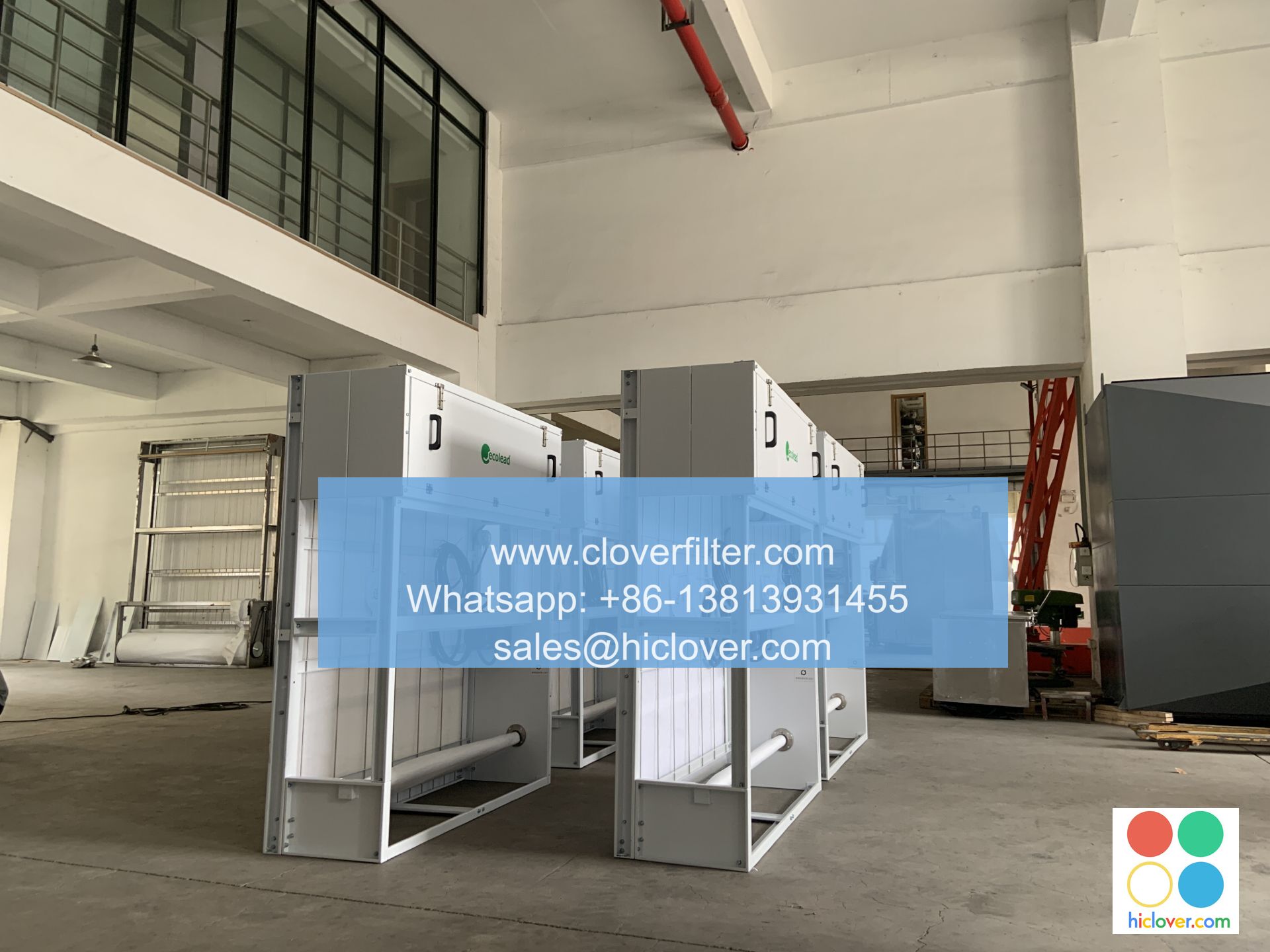
As universities and colleges strive to enhance the living conditions on campus, one innovative solution gaining traction is roll media filtration. This advanced technology not only addresses air and water quality but also promotes a healthier, more sustainable campus environment. In this article, we will explore the science behind roll media filtration and its various application areas within campus living.

What is Roll Media Filtration?
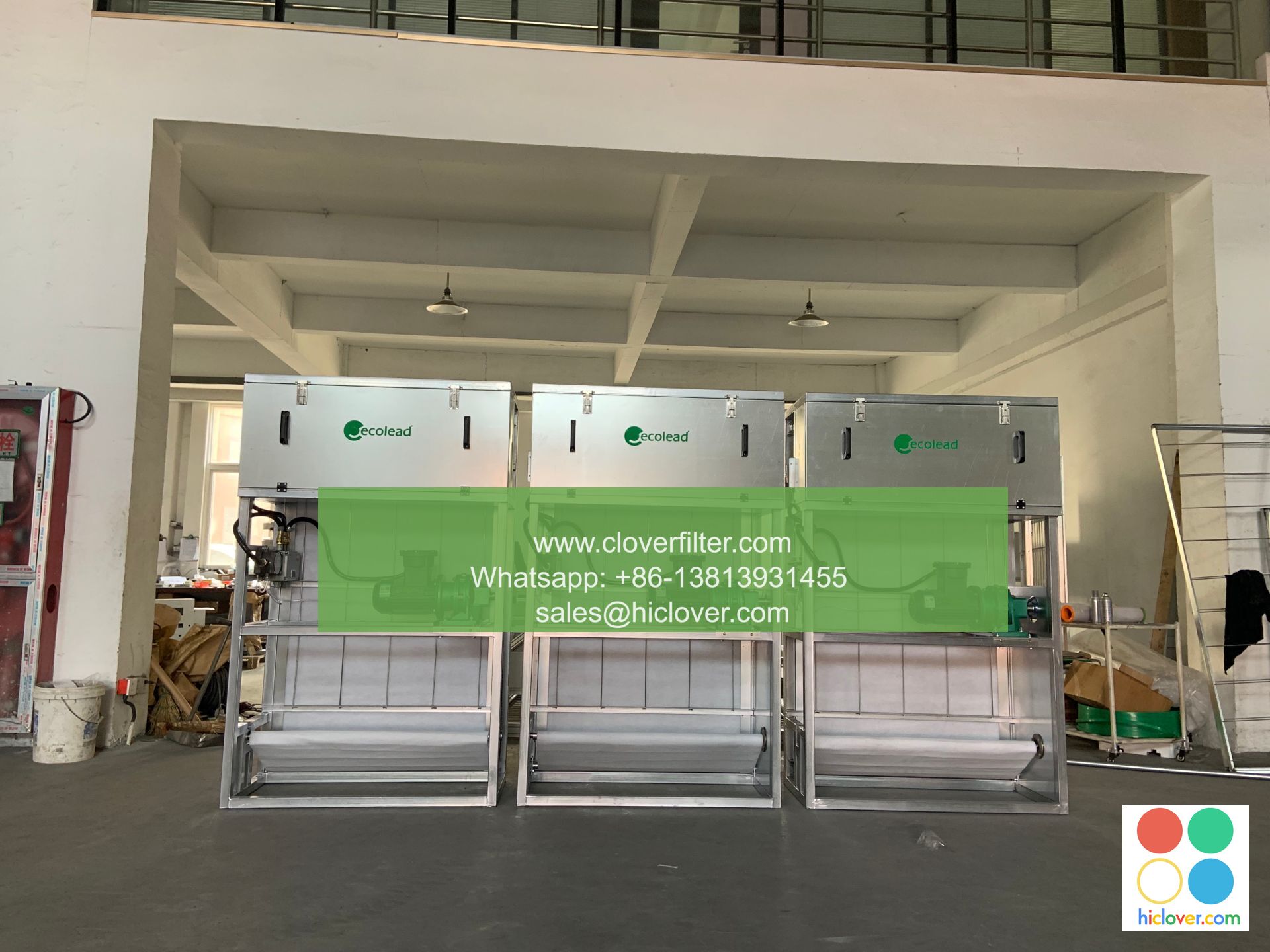
Roll media filtration is a method that utilizes rolled layers of filter media to capture and remove pollutants from air and water. The layers consist of diverse materials, including synthetic fibers, cellulose, and activated carbon, which work together to enhance filtration efficiency. This technology is particularly effective in removing particulate matter, biological contaminants, and volatile organic compounds (VOCs).
Improving Indoor Air Quality
One of the primary applications of roll media filtration on campus is in improving indoor air quality (IAQ). Poor IAQ can lead to a range of health issues, including allergies, respiratory problems, and even decreased academic performance. By employing roll media filtration in dormitories, classrooms, and common areas, campuses can effectively reduce airborne contaminants.
Application Areas:
- Dormitories: Reducing allergens such as dust mites and mold spores.
- Classrooms: Minimizing exposure to pollutants and improving focus.
- Laboratories: Ensuring clean air free from harmful chemicals.
- Dining Services: Providing filtered water for cooking and drinking.
- Laboratories: Ensuring high-purity water for research activities.
- Recreation: Treating water in pools and fitness centers.
Enhancing Water Quality
Another critical application of roll media filtration is for water treatment. Campus facilities often rely on water sources that require thorough filtration to eliminate harmful microorganisms and unwanted chemicals. Roll media filters can be implemented in dining halls, laboratories, and recreational facilities to ensure that students and staff have access to safe, clean water.
Application Areas:
Cost-Effectiveness and Sustainability
One of the significant advantages of roll media filtration is its cost-effectiveness. The technology is designed for efficiency, leading to reduced energy consumption and lower maintenance costs over time. Furthermore, using sustainable materials in the roll media contributes to the overall environmental goals of campus facilities, aligning with the increasing focus on sustainability and green practices.
The Future of Roll Media Filtration in Campus Housing
As campuses continue to seek innovative solutions for enhancing student living conditions, roll media filtration presents a viable option. Its versatility, efficacy, and sustainability potential make it an attractive choice for universities looking to improve health and wellness among students while also adhering to environmental standards. With ongoing research and technological advancements, the future of roll media filtration looks promising.
Conclusion
In conclusion, roll media filtration represents a pivotal step towards better campus living conditions. By prioritizing air and water quality through advanced filtration technologies, campuses can foster healthier spaces that contribute positively to the academic experience. As educational institutions continue to embrace innovative solutions, roll media filtration stands out as a key player in creating a thriving educational environment.
It seems like you might be looking for creative prompts or topic ideas. Could you please provide more details about the type of prompt you’re interested in? For example, are you looking for writing prompts, art prompts, conversation starters, or something else?
