The Science Behind Self-Cleaning Roll Filtration in Petrochemical Applications
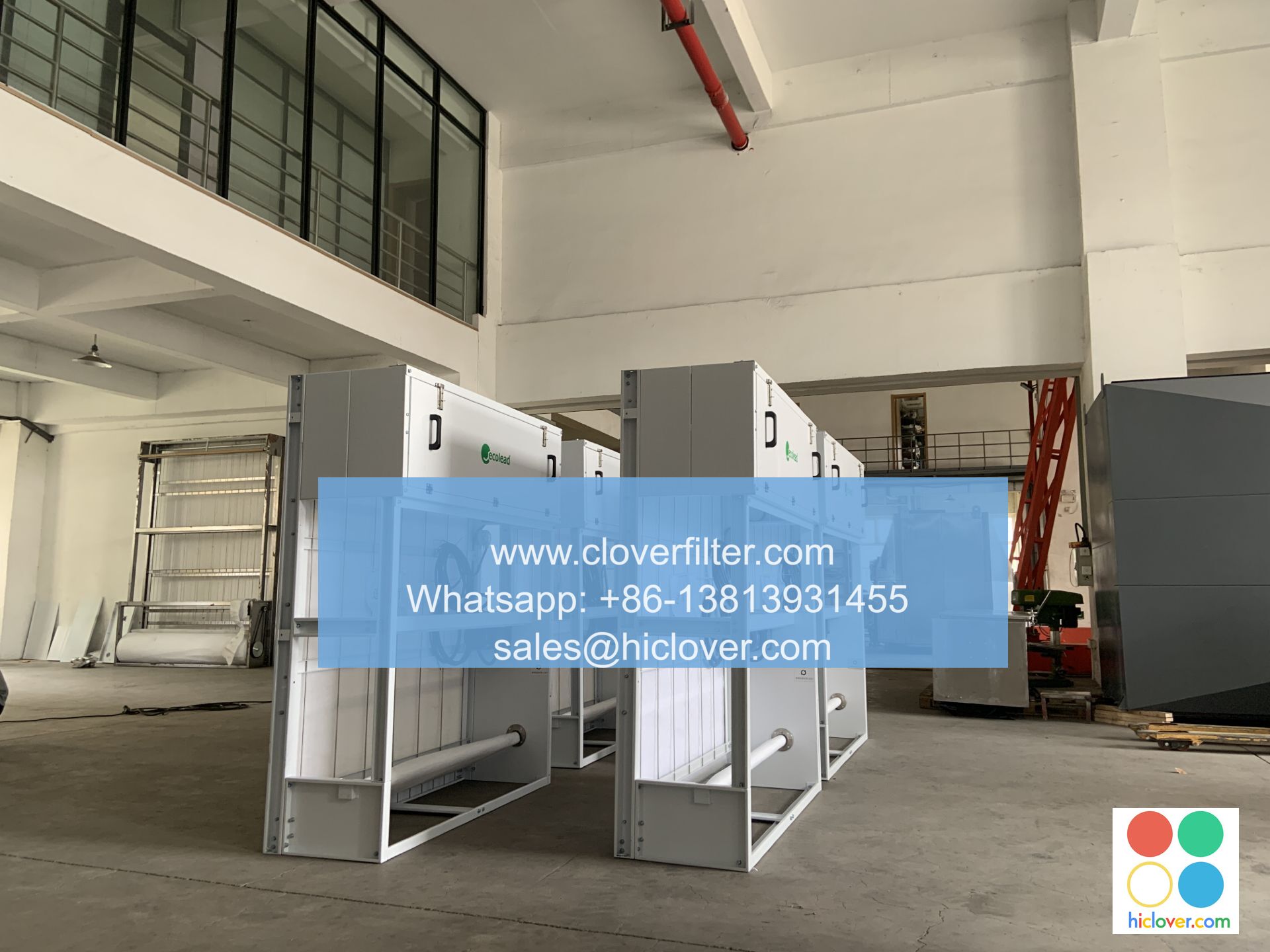
The petrochemical industry constantly seeks innovative solutions to optimize efficiency and reduce maintenance costs. One groundbreaking advancement in this regard is self-cleaning roll filtration. This technology effectively enhances the filtration process, ensuring continuous operation while minimizing the need for manual intervention.
Understanding Self-Cleaning Roll Filtration

Self-cleaning roll filtration utilizes a unique mechanism that enables the system to automatically remove accumulated solids from the filter medium without requiring system shutdown. This not only improves the efficiency of the filtration process but also extends the longevity of the filtering equipment. The core of the filter comprises a roll that rotates gradually, selectively separating contaminants from the liquid stream.
How it Works
In this system, a liquid containing particulate contaminants passes through a porous filter media. As contaminants gather on the filter’s surface, the automated self-cleaning feature is triggered. The roll oscillates back and forth, utilizing a combination of mechanical action and backwashing to dislodge and remove the trapped particles. This ensures maximum filtration efficacy while minimizing downtime traditionally associated with manual cleaning methods.
Key Advantages of Self-Cleaning Roll Filtration
- Enhanced Operational Efficiency: Continuous operation leads to higher throughput in petrochemical processes.
- Reduced Maintenance Costs: Minimizes the need for manual cleaning and drastic maintenance interruptions.
- Improved Filtration Performance: Maintains optimal filtration rates, ensuring high-quality output.
- Environmental Benefits: Reduces waste generated from the filtration process.
Application Areas in the Petrochemical Sector
Self-cleaning roll filtration finds applications in various segments of the petrochemical industry, including:
1. Oil and Gas Processing
In oil and gas processing facilities, efficient filtration is essential for separating crude oil from solid contaminants. Self-cleaning roll filtration systems optimize this separation, increasing the operational uptime of separators and reducing the risk of blockages.
2. Refineries
Refineries handling refined petroleum products require advanced filtration solutions to ensure the quality of their outputs. Self-cleaning systems enable refineries to maintain stringent quality standards while minimizing operating costs.
3. Chemical Production
In chemical processing plants, self-cleaning roll filtration assists in the removal of suspended solids during the production of various chemicals, ensuring product purity and compliance with industry regulations.
4. Wastewater Treatment
Wastewater generated from petrochemical operations often contains high levels of contaminants. Implementing self-cleaning roll filtration techniques in treatment facilities provides an effective solution for solid removal, enhancing the efficiency of the overall wastewater treatment process.
Future Prospects of Self-Cleaning Filtration Technology
As the petrochemical industry evolves and embraces greener technologies, self-cleaning roll filtration systems are likely to see broader adoption. Ongoing research and technological advancements may lead to even more efficient filtration mechanisms, potentially incorporating smart technologies for real-time monitoring and optimization.
Conclusion
In conclusion, the science behind self-cleaning roll filtration presents a transformative approach to filtration in petrochemical applications. By optimizing operational efficiencies and reducing maintenance costs, this technology plays a pivotal role in meeting the modern demands of the petrochemical industry while promoting sustainability.
It seems like your message was cut off. What would you like to prompt me with?
