The Science of Air Filter Communities: A Deep Dive into the Research
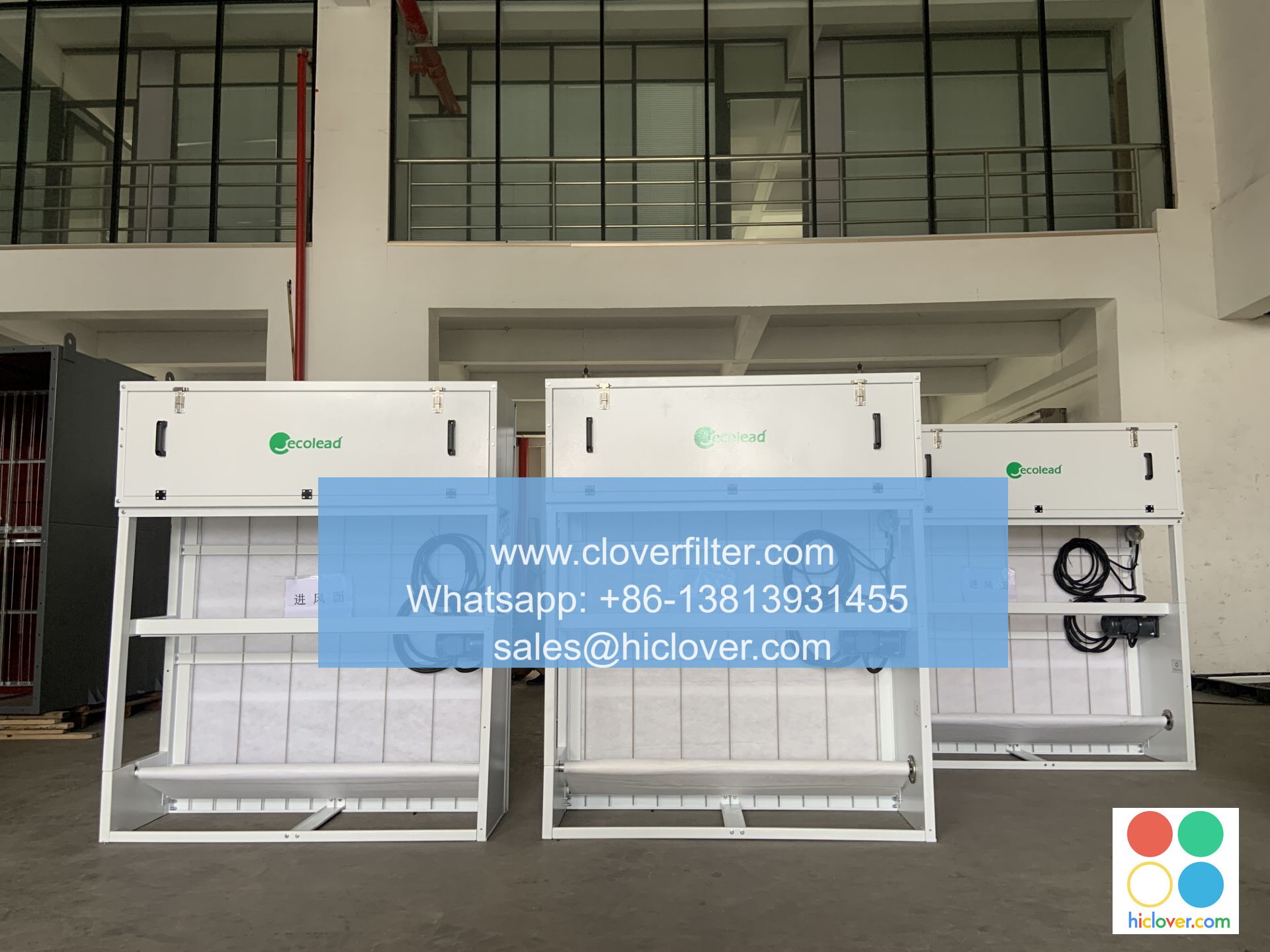
Air quality has become a pressing concern across the globe, leading to significant advancements in air filtration technology. As communities strive to create cleaner environments for their residents, the formation of Air Filter Communities has emerged as a fascinating area of research and practical application. In this article, we will explore the science behind air filters, the benefits of collaborative efforts in filtration technology, and the various application areas where these communities thrive.
Understanding Air Filters and Their Mechanisms

Air filters are designed to remove harmful particles from the air, including dust, allergens, and various pollutants. The effectiveness of an air filter relies on several key mechanisms:
- Mechanical Filtration: Filters trap particles through a physical barrier, usually made from fibers in a specific arrangement.
- Electrostatic Attraction: Some filters use electrostatic forces to attract and capture particulates, enhancing their efficiency.
- Chemical Absorption: Certain filters incorporate materials that chemically react with gaseous pollutants, effectively neutralizing them.
As research progresses, scientists are constantly developing new materials and technologies to improve air filtration, leading to a proliferation of air filter communities around the world.
The Rise of Air Filter Communities
An Air Filter Community refers to a group of individuals or organizations that come together to share knowledge, resources, and strategies related to air quality improvement. These communities can be formed in various settings, including urban neighborhoods, schools, and workplaces. The collaborative nature of these groups fosters innovation and helps maximize the impact of air filtration methods.
Key Benefits of Air Filter Communities
- Knowledge Sharing: Members of air filter communities benefit from shared experiences, leading to improved understanding of the most effective filtration techniques and technologies.
- Collective Purchasing Power: Communities can negotiate bulk purchasing deals for air filtration systems, making high-quality filters more accessible and affordable.
- Increased Awareness: Engaging in community efforts raises awareness about the importance of indoor and outdoor air quality, empowering residents to take action in their own homes.
Research Areas and Applications
The study of air filter communities spans various research disciplines, including environmental science, engineering, and public health. Below are some key areas of focus:
Urban Air Quality Improvement
Urban areas often struggle with poor air quality due to high traffic, industrial emissions, and pollution. Air filter communities play a critical role in improving urban air quality by:
- Implementing community-led air filtration projects.
- Engaging with local governments to advocate for stricter air quality regulations.
- Conducting research on the effectiveness of various air filtration methods in urban settings.
Home Air Quality
Home air quality is a growing concern, especially as more people spend time indoors. Communities can facilitate:
- Workshops on selecting and maintaining air filters.
- DIY filter-making sessions to encourage cost-effective solutions.
- Home air quality monitoring programs to assess pollutant levels and the effectiveness of installed air filters.
School and Educational Initiatives
Schools represent another vital area for air filter communities. By focusing on indoor air quality in educational settings, communities can:
- Partner with schools to install high-efficiency air filters.
- Implement educational programs teaching students about the importance of air quality and health.
- Conduct research on how improved air quality contributes to student performance and well-being.
Industrial and Workplace Applications
Many industries generate significant airborne pollutants, necessitating robust air filtration solutions. Air filter communities can focus on:
- Collaborating with industry leaders to identify and promote the use of effective air filtration systems.
- Conducting research on air quality and employee health outcomes.
- Advocating for stricter regulations to minimize workplace pollution.
Conclusion
The emergence of Air Filter Communities underscores a collective effort to tackle the pervasive issue of air quality. Through research, collaboration, and practical applications, these communities seek to improve the health of their environments and populations. As we delve deeper into the science of air filters and the benefits of community-based initiatives, it becomes clear that cleaner air is an attainable goal—one that is driven by innovation and collaboration among dedicated individuals and organizations.
References
- Relevant scientific journals on air quality and filtration technology.
- Case studies on community-led air filtration projects.
- Government and NGO reports on air quality improvement initiatives.
By fostering knowledge exchange and promoting best practices, air filter communities are paving the way toward healthier living spaces for all.
It looks like you entered “Prompt” but didn’t provide any specific details or questions. How can I assist you today? If you have a particular subject or topic in mind, please share it!
