The Science of Air Filter Extensions: A Look at the Technology Behind Them
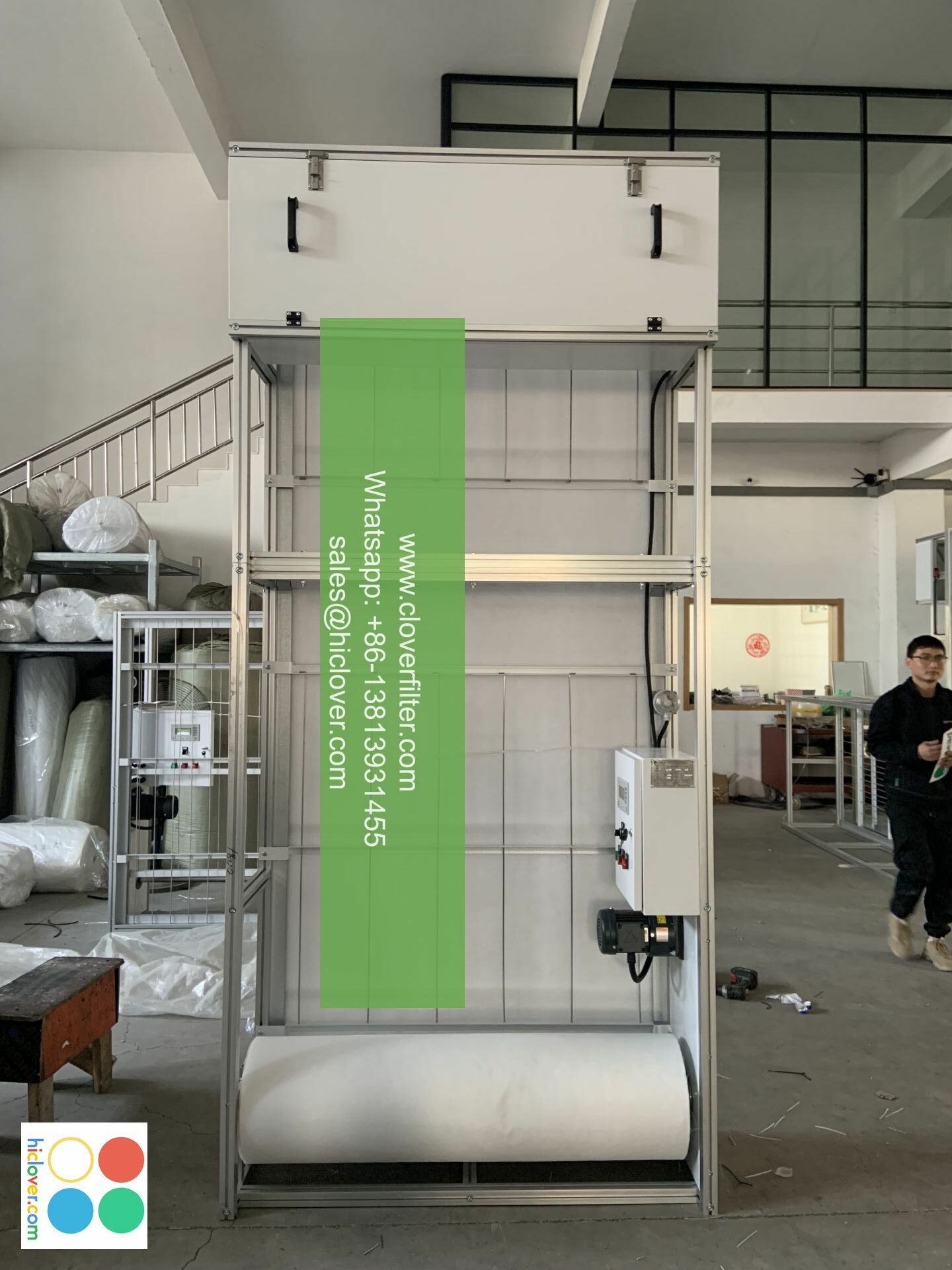
A Look at the Technology Behind Them

Understanding Air Filter Extensions
Air filter extensions are innovative devices designed to enhance the performance of existing air filtration systems. By increasing the surface area for filtration, these extensions enable more efficient removal of particulates, allergens, and other contaminants from the air. The technology behind air filter extensions is rooted in advanced materials and design, making them a vital component in various applications, from residential HVAC systems to industrial air purification.
The Technology Behind Air Filter Extensions
At the core of air filter extension technology are the materials used for filtration. Commonly employed materials include:
- HEPA Filters: High-Efficiency Particulate Air (HEPA) filters are engineered to capture at least 99.97% of particles that are 0.3 microns in size, making them ideal for environments requiring stringent air quality control.
- Activated Carbon: Known for its ability to absorb odors and volatile organic compounds (VOCs), activated carbon enhances the efficacy of air filter extensions in both residential and commercial settings.
- Electrostatic Filters: These utilize static electricity to attract and trap particles, making them highly effective while also being washable and reusable.
The integration of these materials into the design of air filter extensions enhances their filtration capabilities while maintaining low airflow resistance.
Applications of Air Filter Extensions
Air filter extensions find versatile applications across multiple sectors, each taking advantage of the advanced filtration technology:
1. Residential Appliances
Homeowners seek better air quality for health reasons. Air filter extensions enhance HVAC systems, ensuring cleaner air indoors by effectively removing allergens, dust, and pet dander.
2. Industrial Settings
In industrial applications, such as manufacturing plants, air filter extensions are critical for maintaining a safe working environment. They help remove harmful particles and pollutants, mitigating risks associated with poor air quality.
3. Healthcare Facilities
Hospitals and clinics rely on air filter extensions to uphold stringent hygiene standards. The HEPA filters in these extensions ensure that airborne pathogens and contaminants are effectively removed, safeguarding patients and staff alike.
4. Automotive Industry
In vehicles, air filter extensions improve cabin air quality, offering occupants protection from outdoor pollutants and allergens. They also play a role in enhancing engine performance by ensuring cleaner air intake.
The Future of Air Filter Extension Technology
As air quality concerns continue to grow, so does the need for advanced filtration solutions. The future of air filter extensions is likely to see innovations such as:
- Smart Filters: Incorporating IoT technology to monitor air quality in real-time and adjust filtration based on detected pollutants.
- Sustainable Materials: Developing filters from biodegradable or recycled materials to minimize environmental impact.
- Nanotechnology: Utilizing nanofibers to create more efficient filter media that trap smaller particles without sacrificing airflow.
It seems like you wrote “Prompt,” but I’m not sure what you want to ask or discuss. Could you please provide more details or clarify your request?
