The Science of Air Filter Extensions: How They Work

Air filter extensions are an essential component in maintaining good indoor air quality and prolonging the life of HVAC systems. These extensions are designed to improve the efficiency of air filters, reducing the need for frequent replacements and minimizing the risk of airborne contaminants. In this article, we will delve into the science behind air filter extensions, exploring their working principles, benefits, and applications in various industries.
Working Principles of Air Filter Extensions
Air filter extensions work by increasing the surface area of the filter media, allowing for more effective particulate matter (PM) removal and gas-phase filtration. These extensions are typically installed in conjunction with standard air filters, enhancing their performance and filtration efficiency. The extended surface area enables the filter to capture a wider range of airborne pollutants, including particulate matter (PM2.5 and PM10), volatile organic compounds (VOCs), and nitrogen dioxide (NO2).
Types of Air Filter Extensions
There are several types of air filter extensions available, each designed to cater to specific indoor air quality (IAQ) requirements. Some common types include:
* Activated carbon filters: Effective in removing gases and odors from the air
* HEPA filters: Designed to capture 99.97% of particles as small as 0.3 microns
* UV-C light filters: Utilize ultraviolet light to kill bacteria and viruses
Benefits of Air Filter Extensions
The use of air filter extensions offers numerous benefits, including:
* Improved indoor air quality: By removing a wider range of airborne pollutants, air filter extensions contribute to a healthier indoor environment
* Increased filter lifespan: By reducing the load on the primary filter, air filter extensions can extend its lifespan and minimize the need for frequent replacements
* Energy efficiency: By improving the overall filtration efficiency of the system, air filter extensions can help reduce energy consumption and lower utility bills
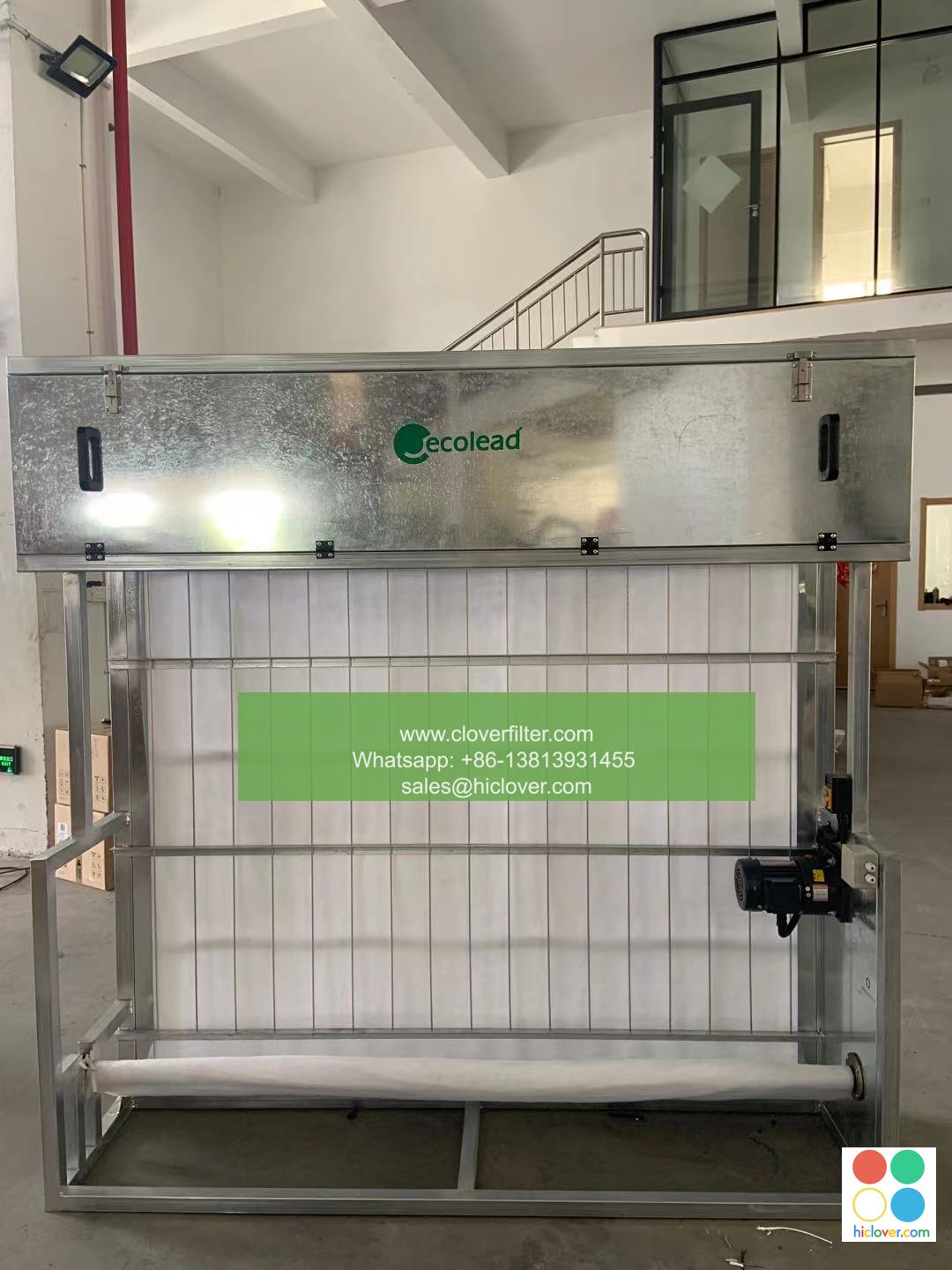
Applications of Air Filter Extensions
Air filter extensions have a wide range of applications in various industries, including:
* Commercial buildings: Offices, schools, and hospitals can benefit from improved indoor air quality and reduced absenteeism
* Industrial settings: Manufacturing facilities, warehouses, and cleanrooms require high-quality air filtration to maintain product quality and safety
* Residential settings: Homeowners can benefit from improved indoor air quality, reduced allergy symptoms, and increased property value
Conclusion
In conclusion, air filter extensions are a crucial component in maintaining good indoor air quality and prolonging the life of HVAC systems. By understanding the science behind these extensions, including their working principles, benefits, and applications, we can appreciate their importance in improving indoor air quality and reducing the risk of airborne contaminants. Whether in commercial, industrial, or residential settings, air filter extensions are an essential investment in creating a healthier and more sustainable indoor environment. It seems like you forgot to include the prompt. Please go ahead and provide the prompt, and I’ll be happy to assist you!
