The Science of Air Filter Selection: A Guide to Choosing the Right Filter for Your Needs
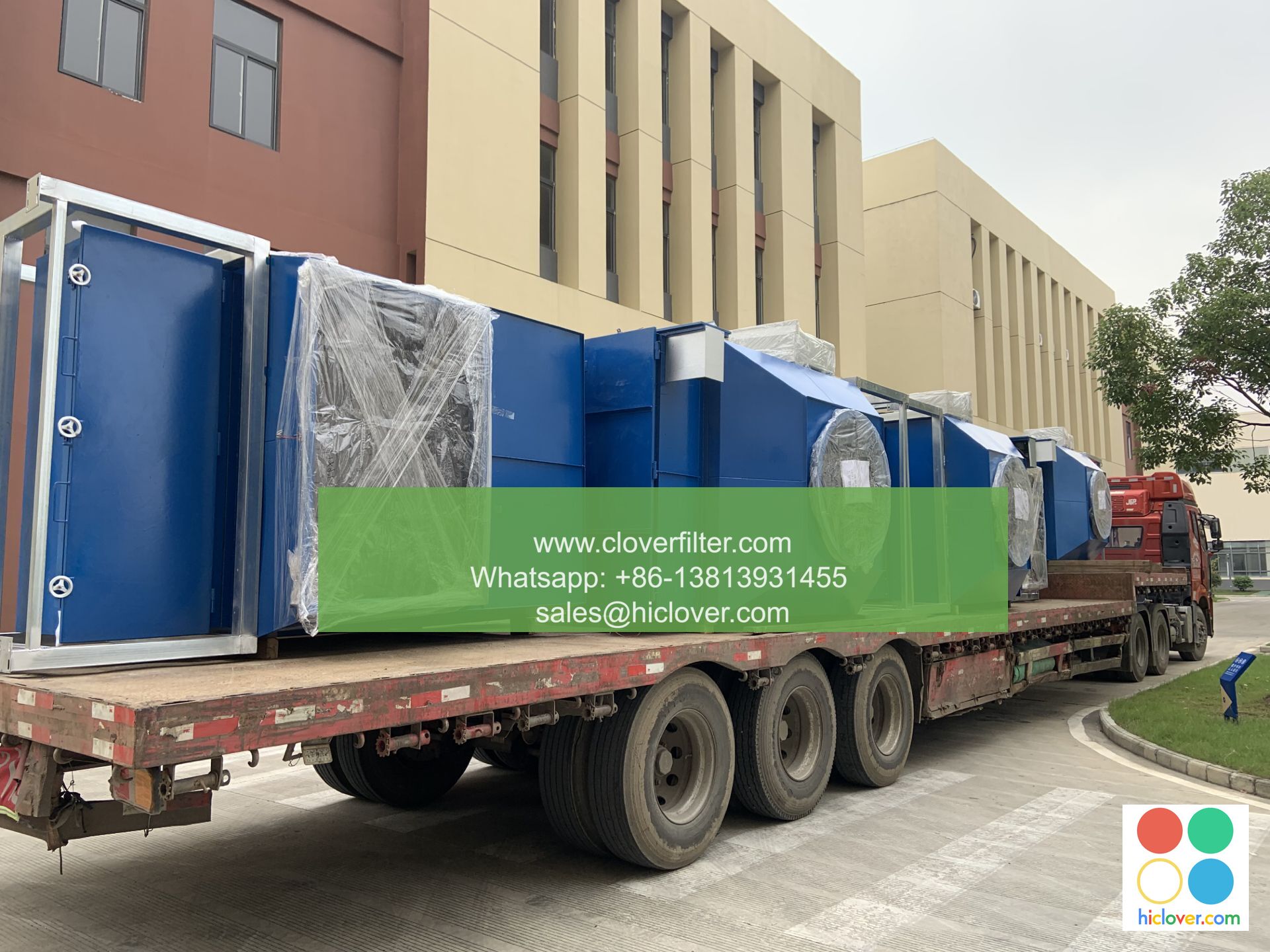
Air filter selection is a critical process that requires a thorough understanding of the science behind air filtration, as well as the specific needs of the application area. With so many different types of air filters available, including HEPA filters, activated carbon filters, and ultra-low particulate air (ULPA) filters, it can be overwhelming to choose the right one. In this article, we will delve into the science of air filter selection and provide a guide to choosing the right filter for your needs, highlighting various application areas such as industrial air filtration, commercial air purification, and residential air cleaning.
Understanding Air Filter Types and Their Applications
There are several types of air filters available, each with its own unique characteristics and applications. HEPA filters, for example, are designed to capture 99.97% of particles as small as 0.3 microns, making them ideal for medical air purification and pharmaceutical air filtration applications. Activated carbon filters, on the other hand, are designed to capture gases and odors, making them perfect for indoor air quality (IAQ) improvement and odor control applications.
Key Considerations in Air Filter Selection
When selecting an air filter, there are several key considerations to keep in mind. These include:
* Air flow rate: The amount of air that needs to be filtered per unit time.
* Particle size: The size of the particles that need to be captured.
* Filter efficiency: The percentage of particles that are captured by the filter.
* Pressure drop: The amount of pressure that is lost as air passes through the filter.
* Maintenance and replacement costs: The cost of maintaining and replacing the filter over time.
Application Areas for Air Filters
Air filters have a wide range of application areas, including:
* Industrial air filtration: Air filters are used in industrial settings to capture particles and gases that can damage equipment and pose health risks to workers.
* Commercial air purification: Air filters are used in commercial settings, such as offices and restaurants, to improve indoor air quality and reduce the spread of illness.
* Residential air cleaning: Air filters are used in residential settings to improve indoor air quality and reduce allergy and asthma symptoms.
* Medical air purification: Air filters are used in medical settings, such as hospitals and clinics, to capture airborne pathogens and reduce the risk of infection.
* Aerospace air filtration: Air filters are used in aerospace applications, such as aircraft and spacecraft, to capture particles and gases that can damage equipment and pose health risks to astronauts.

Best Practices for Air Filter Selection and Maintenance
To ensure that your air filter is working effectively, it is essential to follow best practices for selection and maintenance. These include:
* Regular maintenance: Regularly cleaning and replacing the filter to ensure optimal performance.
* Proper installation: Ensuring that the filter is installed correctly to prevent air leaks and ensure optimal air flow.
* Monitoring air quality: Regularly monitoring air quality to ensure that the filter is working effectively.
By following these best practices and considering the key factors in air filter selection, you can choose the right filter for your needs and ensure optimal air quality and performance. Whether you are looking for HEPA filters, activated carbon filters, or ULPA filters, there is an air filter available to meet your specific needs and application area. It seems like you forgot to include the prompt. Could you please provide more details or clarify what you would like to talk about? I’m here to help!
