The Science of Air Filtration: A Deep Dive
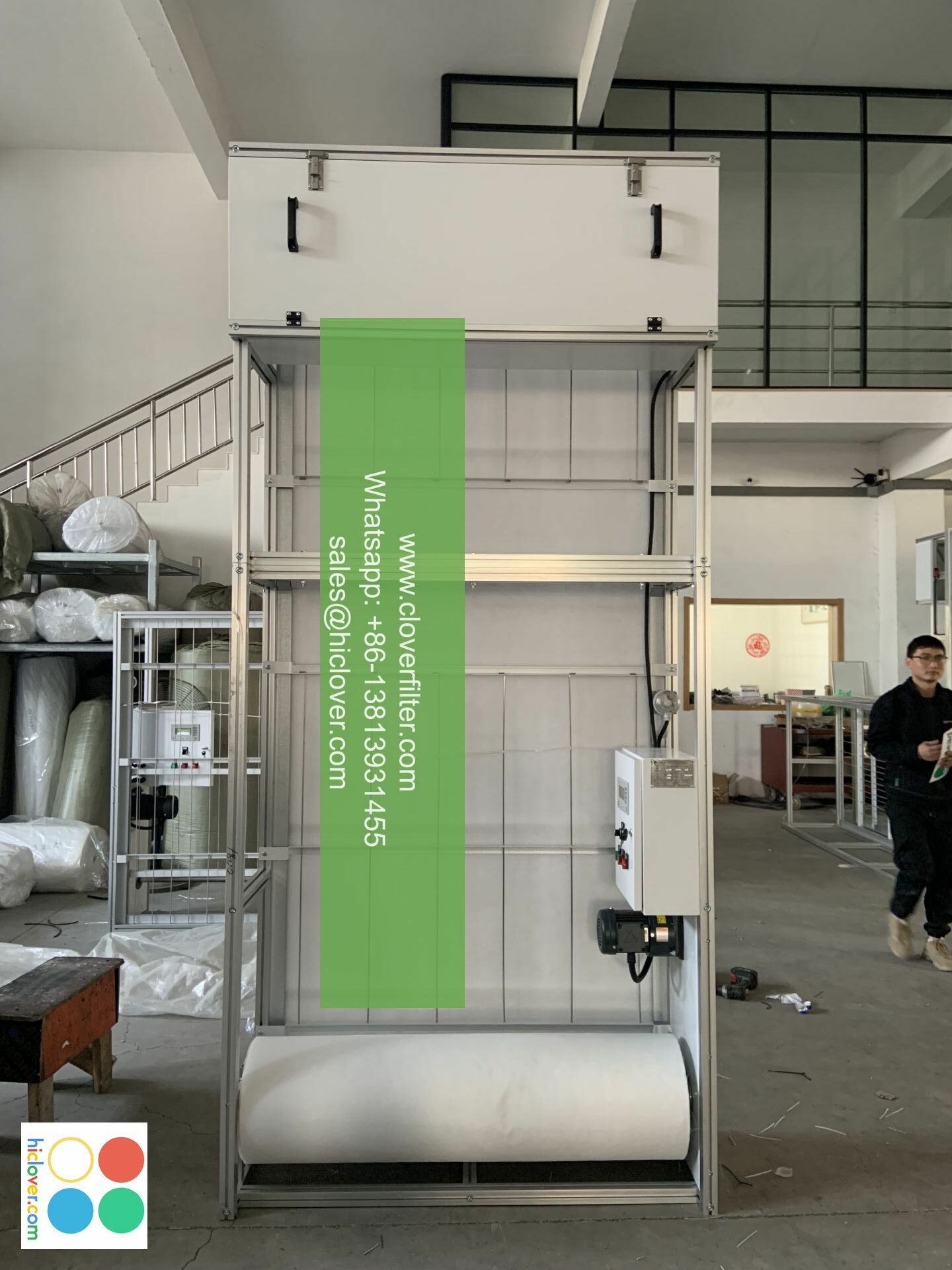
Air filtration is a critical process that enhances the quality of the air we breathe. From industrial applications to residential environments, air filtration plays a vital role in promoting health and well-being. This article will explore the science of air filtration, its applications, and the technologies that drive this essential field.
What is Air Filtration?
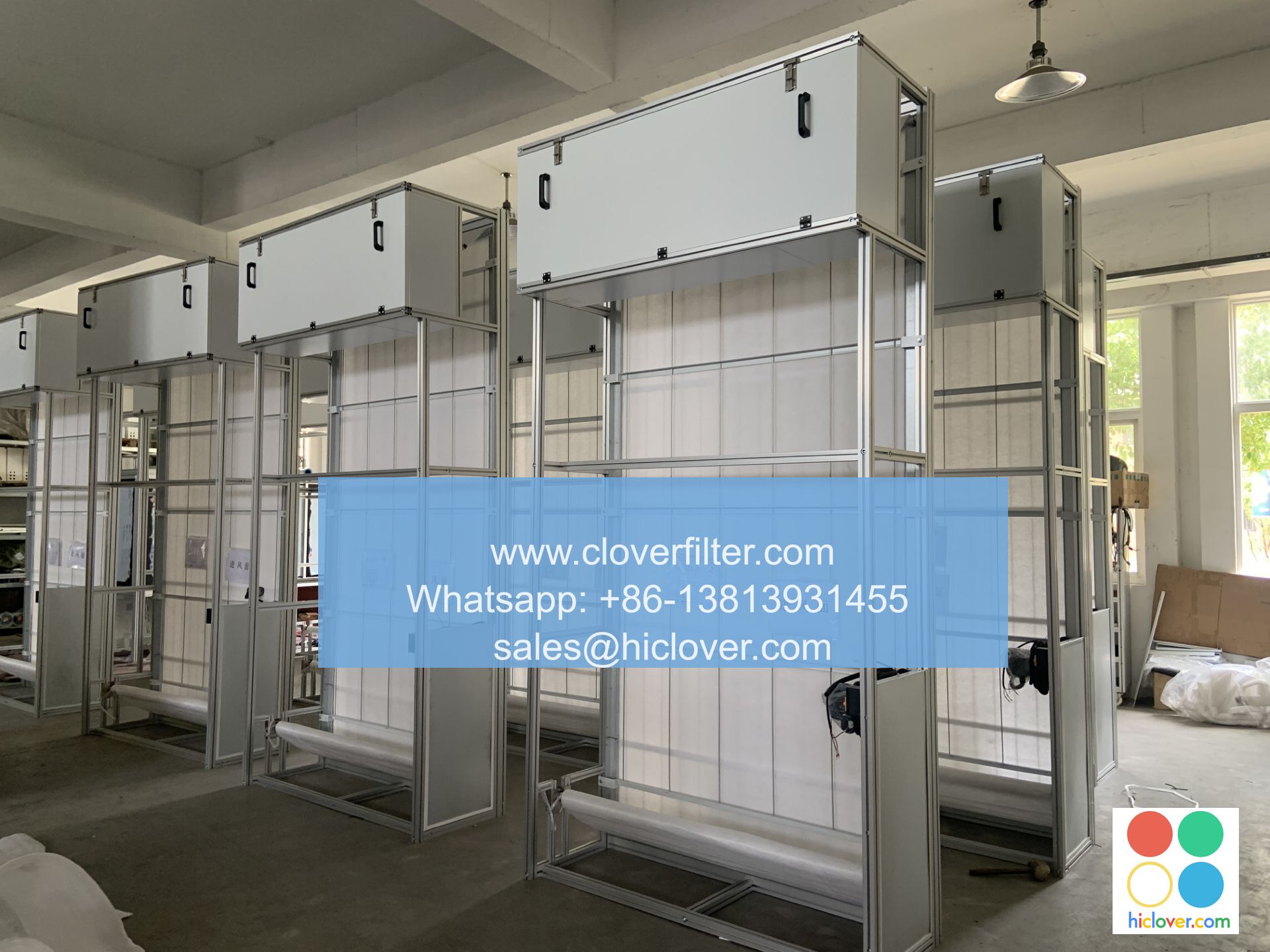
Air filtration refers to the process of removing particles, pollutants, and contaminants from the air. This can include dust, pollen, smoke, and various biological pollutants such as bacteria and viruses. The effectiveness of air filtration systems is measured in terms of their ability to capture different types of particulate matter and gases.
The Science Behind Air Filtration
Filtration Mechanisms
Air filters operate on a variety of mechanisms to capture particles, including:
-
Mechanical Filtration: This method uses a physical barrier, such as a mesh or porous material, to trap particles as air flows through.
-
Electrostatic Filtration: This technique employs electrostatic forces to attract and trap charged particles, enhancing filtration efficiency.
-
Adsorption: In this process, pollutants adhere to the surface of a filter medium. Activated carbon filters are a prime example, effectively adsorbing gases and odors.

Filter Efficiency Ratings
Filters are rated for their efficiency, typically indicated by their Minimum Efficiency Reporting Value (MERV) or the HEPA (High-Efficiency Particulate Air) standard. A higher rating signifies a greater ability to capture smaller particles, providing cleaner air.
Applications of Air Filtration
Residential Air Filtration
In residential settings, air filters are essential for maintaining indoor air quality. HEPA filters are commonly used in home HVAC systems, effectively capturing allergens like pet dander and dust mites. Portable air purifiers have gained popularity for their ability to clean air in individual rooms.
Industrial Applications
Industries such as manufacturing, pharmaceuticals, and food processing rely heavily on air filtration to prevent contamination and ensure a safe working environment. For example, cleanrooms used in semiconductor manufacturing require stringent air quality standards, often employing multiple filtration stages.
Automotive Air Filtration
Automotive air filtration systems play a crucial role in engine performance and passenger comfort. Cabin air filters protect occupants from outdoor pollutants while engine air filters ensure the engine receives clean air for optimal combustion.
Environmental Applications
Air filtration technologies are used in pollution control systems to capture harmful emissions from manufacturing processes and power plants. Electrostatic precipitators and baghouses are common in these applications, helping to reduce airborne pollutants and protect public health.
Innovations in Air Filtration Technology
Nanotechnology
Recent advancements in nanotechnology have led to the development of filters with enhanced capabilities. Nanofibers can trap smaller particles than traditional materials, increasing filter efficiency without compromising airflow.
Smart Air Filters
Smart air filters equipped with sensors can monitor air quality in real-time and alert users when replacement is needed. This innovation not only improves convenience but also ensures optimal air quality.
Biodegradable Filters
Sustainability is becoming increasingly important in air filtration. Biodegradable filters made from natural materials are emerging as a more environmentally friendly alternative to traditional synthetic filters.
Conclusion
The science of air filtration is a dynamic and critical field that affects numerous aspects of our daily lives. Whether in our homes, workplaces, or the broader environment, effective air filtration systems are essential for enhancing air quality and promoting health. As technology continues to evolve, we can expect even more efficient and sustainable air filtration solutions to emerge, ensuring we breathe cleaner air for years to come.
In summary, air filtration is an interdisciplinary field that blends science with engineering and environmental considerations. Its various applications underscore its importance in not just maintaining comfortable environments but also safeguarding public health and the planet.
Of course! What would you like a prompt for? Writing, art, coding, or something else? Let me know the specifics, and I’ll be happy to help!
