The Science of Air Filtration: How Air Filters Affect Airborne Pathogens
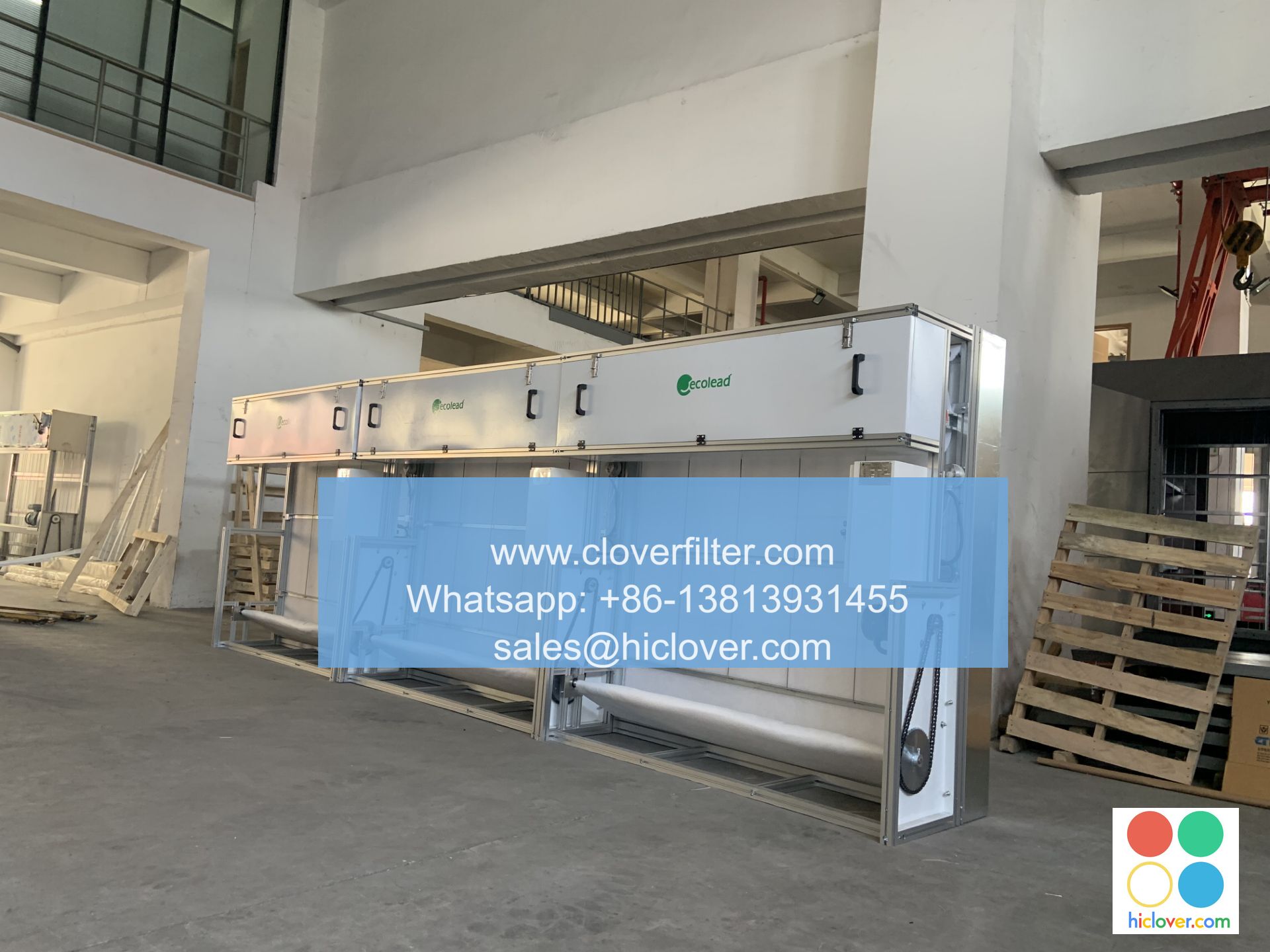
As we spend more time indoors, understanding the science of air filtration has become critical for maintaining a healthy environment. Airborne pathogens, which include viruses, bacteria, and mold spores, pose significant health risks. This article explores how air filters work to combat these threats and their various applications in sectors like healthcare, industrial settings, and home environments.
How Air Filters Work

Air filters are designed to remove pollutants from the air. They function by trapping airborne particles as air passes through them. The efficiency of an air filter is typically measured using the Minimum Efficiency Reporting Value (MERV) rating, which ranges from 1 to 20. Higher MERV ratings indicate better filtration capabilities, particularly against smaller particles including airborne pathogens.
Types of Air Filters
- HEPA Filters: High-Efficiency Particulate Air (HEPA) filters can trap at least 99.97% of particles that are 0.3 microns in size, which includes many harmful pathogens.
- UV-C Filters: Ultraviolet light filters use UV-C light to kill or inactivate airborne pathogens as air passes through the filter.
- Activated Carbon Filters: These filters adsorb gases and odors, contributing to overall air quality by removing volatile organic compounds (VOCs).
Impact on Airborne Pathogens

Studies have shown that effective air filtration systems can significantly reduce the concentration of airborne pathogens in indoor environments. This is especially vital in spaces like hospitals and clinics, where the risk of infection is high. The ability of filters to capture viruses and bacteria is essential in controlling outbreaks of diseases such as influenza, tuberculosis, and, more recently, COVID-19.
Healthcare Applications
In healthcare settings, air filtration is crucial for providing a safe environment for patients and staff. Surgical suites, isolation rooms, and waiting areas rely on high-quality air filters to minimize the risk of airborne diseases spreading. The use of HEPA and UV-C filters has become a standard practice in these facilities.
Industrial and Commercial Settings
Industries that produce dust, chemicals, or other pollutants also benefit from advanced air filtration systems. Factories, warehouses, and laboratories often implement powerful filtration systems to protect workers and ensure a safe working environment. In addition, many businesses are enhancing their HVAC systems with air filters to improve indoor air quality, which has become a priority for attracting and retaining employees.
Residential Applications
In residential homes, air filtration plays a key role in maintaining indoor air quality. Homeowners can enhance their existing ventilation systems with high-MERV filters, standalone air purifiers, or UV-C sanitizers to reduce the risk of respiratory ailments. With growing awareness around the importance of clean air, many households are investing in air filtration technologies.
Conclusion
The science of air filtration is vital in our fight against airborne pathogens. From healthcare to industrial settings and residential environments, the effectiveness of air filters can dramatically influence public health and wellness. As further research and technology develop, it is essential for businesses and individuals to prioritize effective air filtration systems to ensure cleaner and safer air for all.
It seems like you’re looking to provide a writing prompt or you have a specific idea in mind. Could you please provide more details or clarify what you need? Here are a few examples of prompts to inspire you:
-
Creative Writing Prompt: “A sudden storm exposes a hidden cave in your town, leading to a discovery that changes everything. What do you find in the cave?”
-
Personal Reflection Prompt: “Think of a time you faced a major challenge. How did it shape who you are today?”
-
Fantasy Prompt: “In a world where dreams can be traded like currency, a dream thief stumbles upon a dream that reveals a dark secret about their society.”
-
Science Fiction Prompt: “In the year 2147, time travel is possible, but only for the wealthy. What happens when a poor individual accidentally discovers a way to travel through time?”
Let me know if you’d like something different or more specific!
