The Science of Air Filtration: How Air Filters Affect Airborne Pollutants
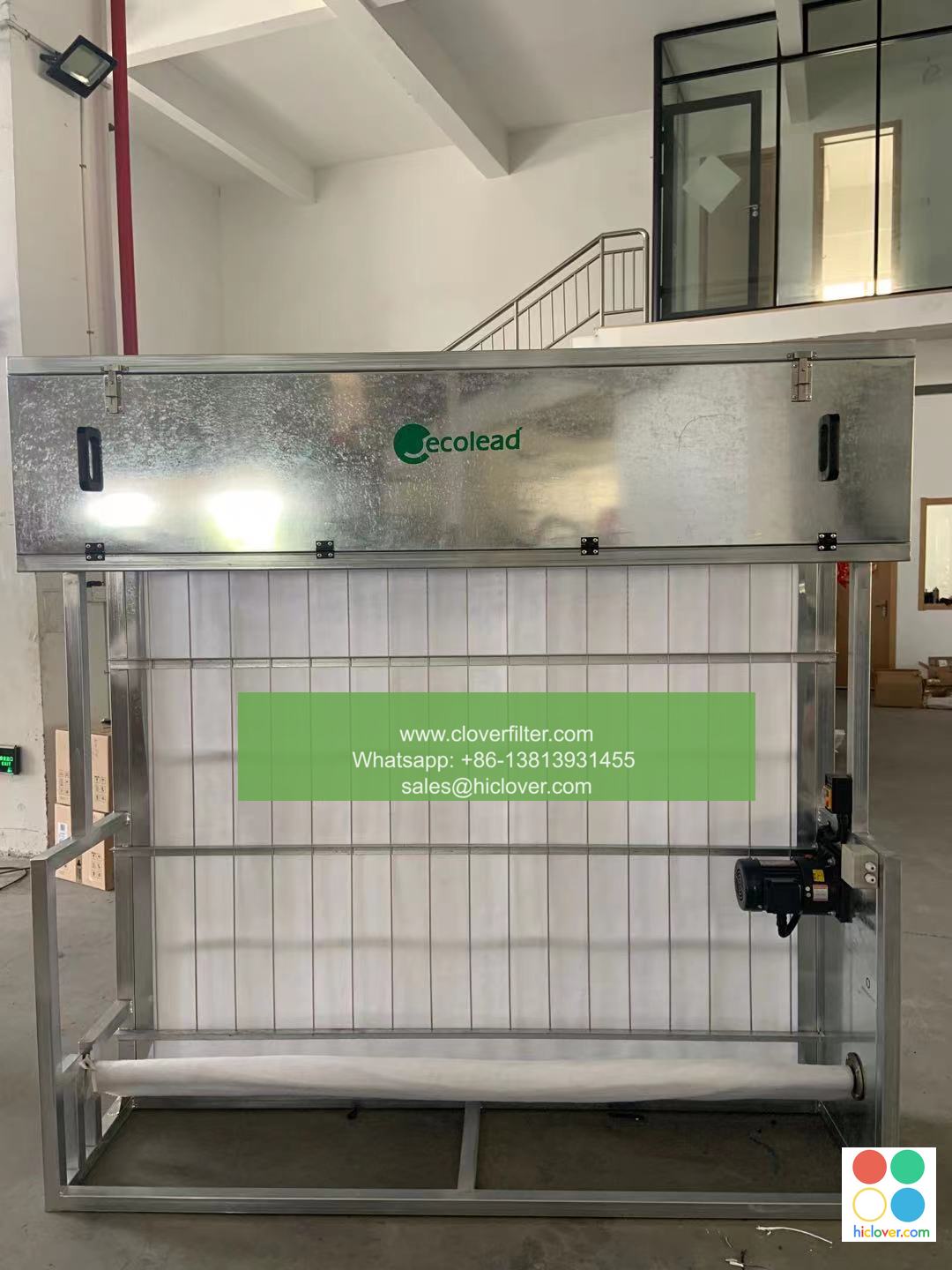
As urbanization and industrial activities continue to escalate, the quality of the air we breathe has come under significant threat. Airborne pollutants, such as particulate matter (PM), volatile organic compounds (VOCs), and biological contaminants, have implications for human health and environmental sustainability. In this article, we delve into the science of air filtration, exploring how air filters affect airborne pollutants and examining various application areas.
Understanding Airborne Pollutants

Airborne pollutants can be classified into two primary categories: particulate pollutants and gaseous pollutants. Particulate pollutants, such as dust, pollen, and soot, are tiny solid or liquid particles suspended in the air. Gaseous pollutants, which include nitrogen oxides (NOx), sulfur dioxide (SO2), and VOCs, can cause respiratory issues and contribute to environmental degradation.
How Air Filters Work
Air filtration systems are designed to remove these pollutants from the air, providing cleaner and healthier environments. The effectiveness of air filters is generally measured by their Minimum Efficiency Reporting Value (MERV), which indicates the filter’s ability to capture particles of varying sizes. Filters with higher MERV ratings are more effective at trapping smaller particles.
Types of Air Filters
- HEPA Filters: High-Efficiency Particulate Air filters capture at least 99.97% of particles that are 0.3 microns in diameter. They are highly effective in residential and healthcare settings, significantly reducing allergens and pathogens in the air.
- Activated Carbon Filters: These filters use activated carbon to adsorb VOCs and odors, making them particularly useful in environments like kitchens and workshops.
- Ionic Air Purifiers: These purifiers emit negatively charged ions, which bind to airborne particles, causing them to settle out of the air. While they have their benefits, they may produce ozone, which can be harmful in high concentrations.
Applications of Air Filtration
1. Residential Spaces
Homeowners often implement air filtration systems to combat allergens from pollen, dust mites, and pet dander. By using HEPA filters in HVAC systems or portable air purifiers, families can significantly reduce the risk of respiratory issues, particularly for individuals with asthma or allergies.
2. Commercial and Industrial Settings
In commercial buildings and industrial facilities, air filtration plays a crucial role in protecting employee health and enhancing productivity. Factories may use specialized filters to control emissions and prevent pollutants from entering the atmosphere, while offices can maintain a healthy indoor environment with strategic air cleaning technologies.
3. Healthcare Facilities
Hospitals and clinics require particularly stringent air filtration standards to prevent the spread of infections. HEPA filters are universally employed in operating rooms and patient rooms to minimize the risk of hospital-acquired infections (HAIs) and improve overall patient outcomes.
4. Educational Institutions
Schools are increasingly incorporating air purification systems to enhance the learning environment. Improving indoor air quality can lead to better concentration and academic performance among students, especially in overcrowded or poorly ventilated classrooms.
Conclusion: The Importance of Air Filtration
In a world where air pollution is a growing concern, understanding the science of air filtration is imperative. Effective air filters can significantly reduce airborne pollutants, providing benefits across various application areas—from homes and workplaces to hospitals and schools. As innovations in filtration technology continue, harnessing these advancements will be crucial to enhancing air quality, protecting public health, and ensuring a sustainable future.
It seems like you entered “Prompt” but didn’t provide any specific instructions or context for what you’d like assistance with. Can you please elaborate on what you need help with? Whether it’s writing a story, answering a question, or something else, I’m here to assist!
