The State of Indoor Air Quality: Shocking Statistics
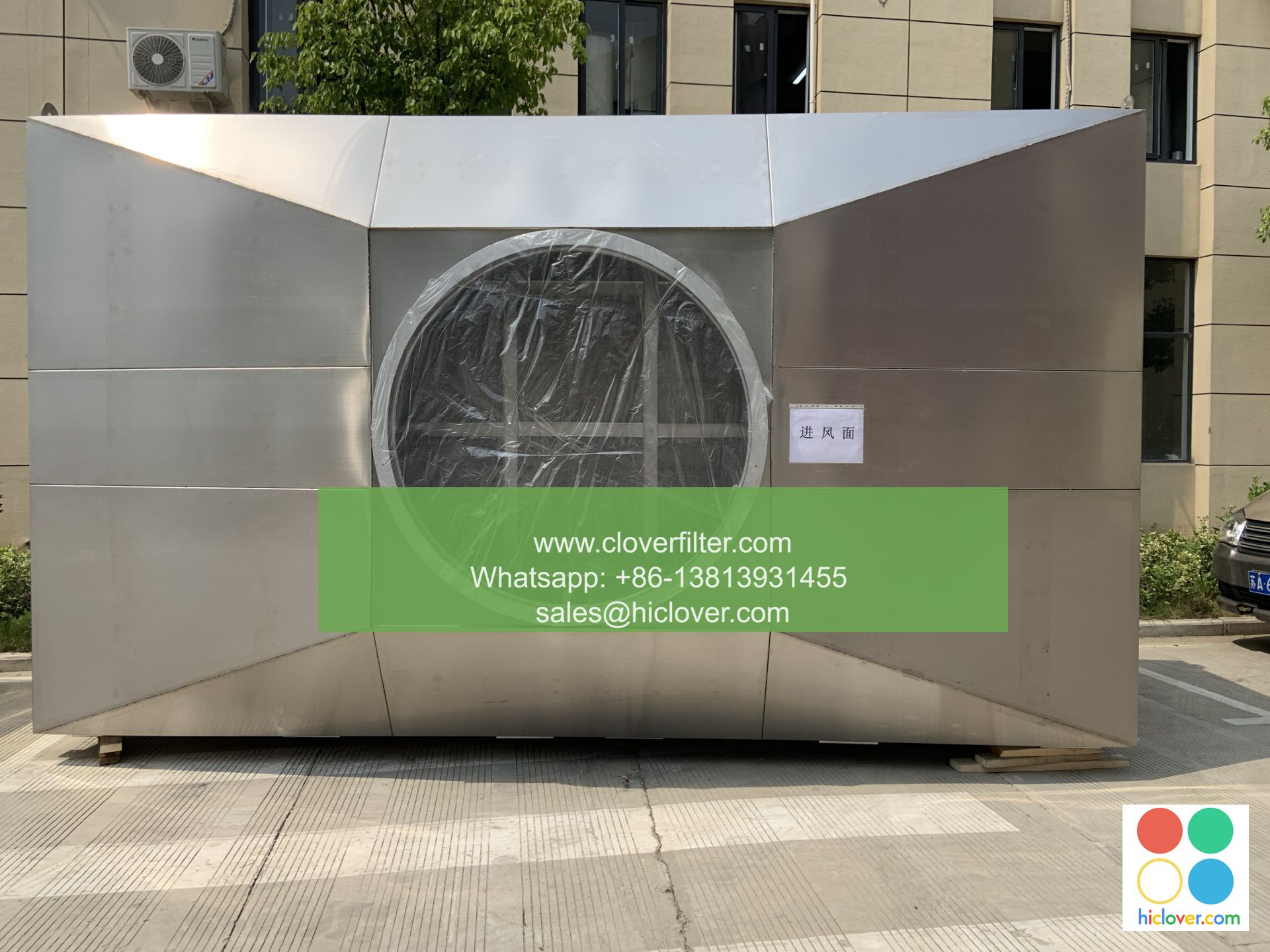
Indoor air quality (IAQ) is a critical aspect of our daily lives, as we spend approximately 90% of our time indoors. However, the air we breathe inside can be 2-5 times more polluted than the air outside, posing significant risks to our health and wellbeing. In this article, we will delve into the shocking statistics surrounding indoor air quality, highlighting various application areas where IAQ is crucial, and discussing the key strategies for improvement.
Indoor Air Pollutants and Their Sources
Indoor air pollutants can originate from various sources, including volatile organic compounds (VOCs) from building materials, particulate matter (PM) from cooking and cleaning, and microbiological contaminants from inadequate ventilation and moisture. These pollutants can cause a range of health issues, from respiratory problems and allergies to cancer and neurological disorders.
Shocking Statistics
The statistics surrounding indoor air quality are alarming:
* 40% of schools in the United States have poor IAQ, affecting the health and performance of students and staff.
* 30% of commercial buildings experience IAQ problems, leading to decreased productivity and increased absenteeism.
* 1 in 5 adults suffer from asthma or other respiratory diseases, which can be exacerbated by poor IAQ.
* The economic burden of poor IAQ is estimated to be $160 billion annually in the United States alone.
Application Areas for Improved IAQ
Improving indoor air quality is essential in various application areas, including:
* Healthcare facilities, where patients with compromised immune systems are particularly vulnerable to indoor air pollutants.
* Schools and universities, where poor IAQ can impact student health and academic performance.
* Commercial buildings, where IAQ can affect employee productivity and morale.
* Residential homes, where families spend a significant amount of time and are exposed to indoor air pollutants.

Solutions for Improved IAQ
Fortunately, there are several key strategies for improving indoor air quality, including:
* Installing air purification systems that can remove pollutants and particulate matter.
* Implementing ventilation systems that provide adequate airflow and exchange stale air for fresh air.
* Using low-VOC building materials and non-toxic cleaning products to reduce indoor air pollution.
* Conducting regular IAQ testing and monitoring to identify and address IAQ issues.
Future Directions and Emerging Trends
As concern about indoor air quality continues to grow, we can expect to see emerging trends and technological advancements in IAQ monitoring and improvement. Some potential areas of development include:
* IoT-enabled IAQ sensors that can provide real-time monitoring and feedback.
* Artificial intelligence (AI) and machine learning (ML) algorithms that can analyze IAQ data and optimize ventilation and air purification systems.
* Green building materials and sustainable design that prioritize IAQ and energy efficiency.
In conclusion, the state of indoor air quality is a pressing concern that requires immediate attention. By highlighting various application areas and discussing key strategies for improvement, we can work towards creating healthier, more sustainable indoor environments. As we move forward, it is essential to prioritize indoor air quality monitoring and improvement to protect the health and wellbeing of individuals and communities worldwide. It seems like you’re ready to start a conversation or ask a question, but you haven’t specified what’s on your mind yet. What would you like to talk about or know more about? I’m here to help with a wide range of topics, from science and history to entertainment and culture, or even just to chat. How can I assist you today?
