The Synergy Between Automatic Roll Air Filters and UCLA’s Biosafety Cabinets
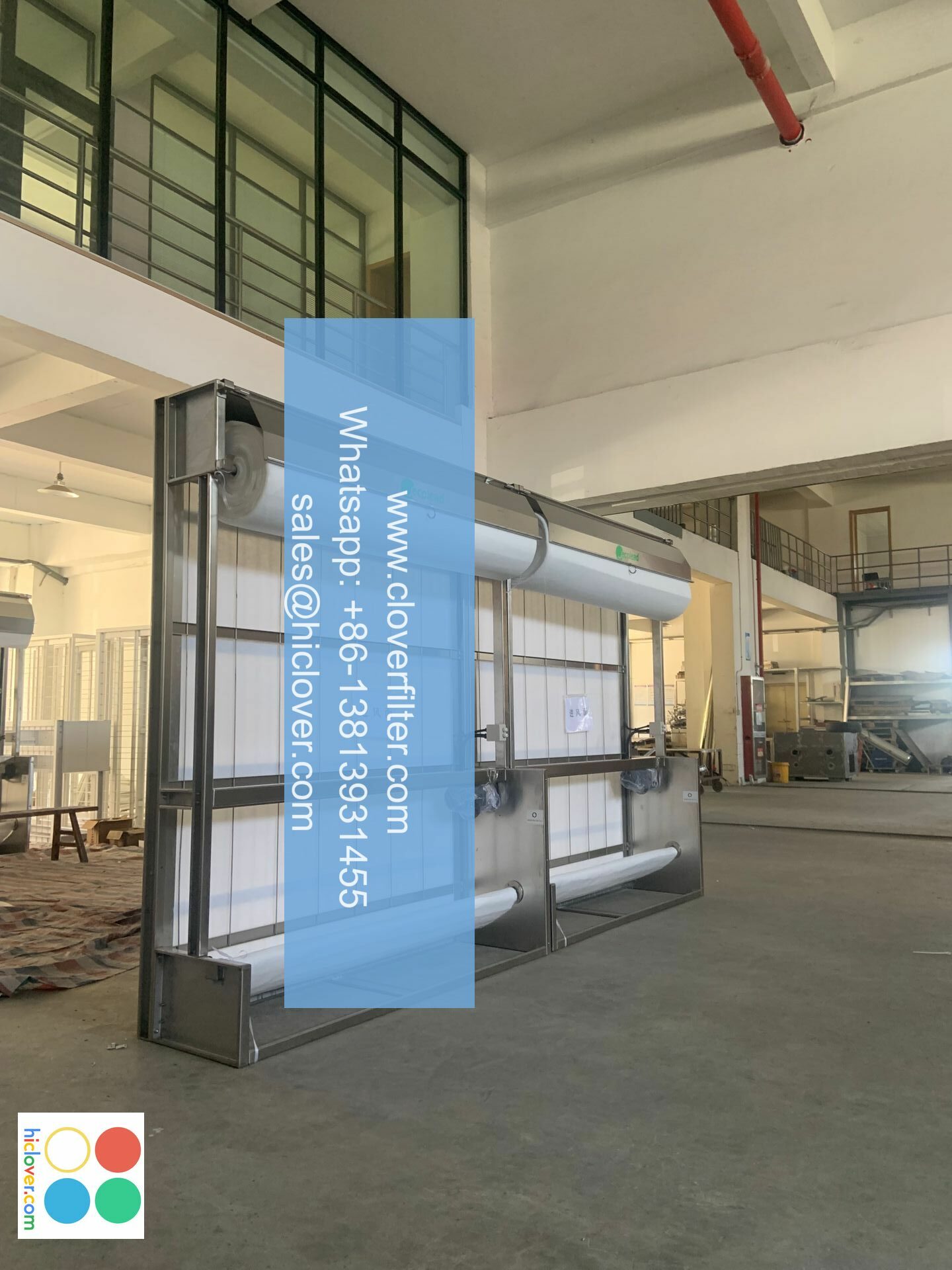
In the landscape of laboratory safety and environmental control, automatic roll air filters and biosafety cabinets play crucial roles in maintaining air quality and ensuring the safety of both personnel and samples. At the University of California, Los Angeles (UCLA), where cutting-edge research meets vigilant safety protocols, the combination of these two technologies enhances operational effectiveness in various application areas.
Understanding the Importance of Air Quality in Laboratories

In any laboratory setting, clean air is paramount. Laboratories that work with biological agents require stringent air quality controls. Automatic roll air filters are designed to provide continuous purification by filtering out particulates and contaminants from the air. Such systems are essential for ensuring that researchers can work safely, especially in environments that handle sensitive biological materials.
A Closer Look at UCLA’s Biosafety Cabinets
UCLA utilizes biosafety cabinets that offer a controlled environment for handling potentially hazardous materials. These cabinets provide protection not only for the worker but also safeguard the experimental samples from contamination. Class II biosafety cabinets, the most commonly used type, employ high-efficiency particulate air (HEPA) filters to maintain sterile conditions while also incorporating their own air circulation systems. The inclusion of automatic roll air filters further enhances the integrity of these cabinets by ensuring that the air entering and exiting the workspace is consistently filtered.
The Complementary Functions of Automatic Roll Air Filters
The functionality of automatic roll air filters goes beyond simply removing dust and pathogens from the air. Their automated designs allow for real-time monitoring and adjustment based on the laboratory’s specific needs. This is particularly beneficial in dynamic laboratory settings at UCLA, where varying levels of activity may require different filtration capacities. When integrated with biosafety cabinets, these filters ensure that air quality remains optimal, providing an additional layer of safety against airborne contaminants.

Application Areas of Combined Technologies
The synergy between automatic roll air filters and biosafety cabinets has a significant impact across several application areas:
- Microbiology and Virology: Researchers handling cultures and pathogens rely on these systems to prevent cross-contamination and protect laboratory personnel.
- Pharmaceutical Research: In drug development, maintaining sterile conditions is critical. The combination of air filters and biosafety cabinets minimizes risk during the formulation and testing phases.
- Genetic Engineering: Working with recombinant DNA requires strict adherence to biosafety protocols, where filtered air systems ensure compliance and safety.
- Environmental Testing: Laboratories engaged in testing environmental samples benefit from the high air quality maintained by these systems, reducing the risk of contaminating samples.
Future Directions and Innovations
Looking ahead, the integration of automated technology in laboratory settings is expected to become even more sophisticated. Innovations in air filtration technology and real-time monitoring systems will enhance the synergy between automatic roll air filters and biosafety cabinets. This evolution will not only improve air quality further but will also optimize the workflow within laboratories, especially at prominent research institutions like UCLA.
Conclusion
In conclusion, the partnership between automatic roll air filters and UCLA’s biosafety cabinets exemplifies how innovative technologies can work in harmony to promote safety and efficacy in laboratory environments. By ensuring clean air and sterile workspaces, these systems safeguard researchers and contribute significantly to the integrity of scientific discoveries.
