The Top 3 Mistakes People Make When Choosing an Air Filter
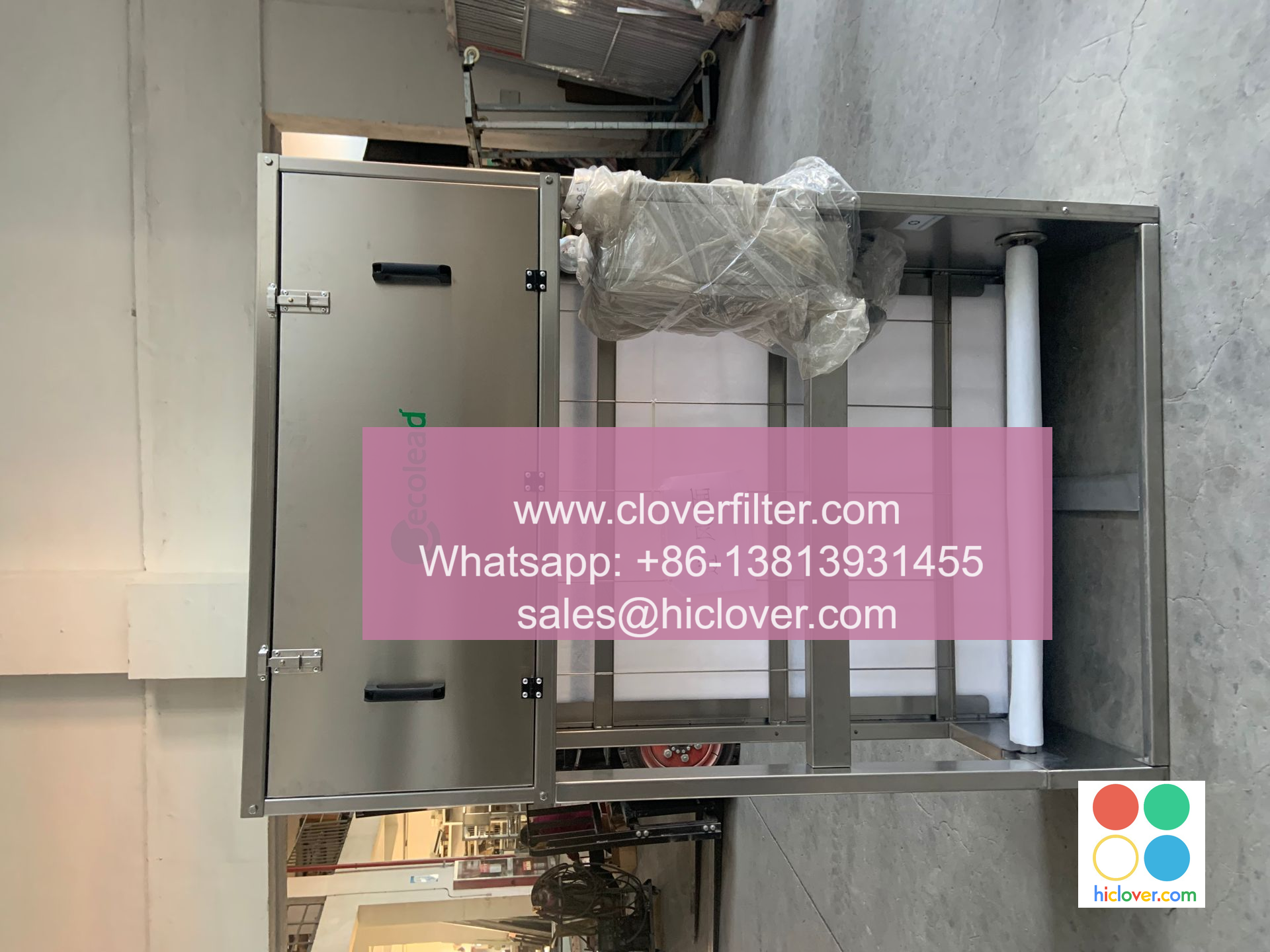
When it comes to selecting an air filter for your home, office, or industrial setting, it’s essential to make an informed decision to ensure optimal air quality and energy efficiency. However, many individuals make common mistakes that can lead to reduced indoor air quality, increased energy consumption, and premature filter replacement. In this article, we’ll highlight the top 3 mistakes people make when choosing an air filter and provide guidance on how to avoid them.
Mistake #1: Not Considering the MERV Rating and Air Filter Type
The Minimum Efficiency Reporting Value (MERV) is a crucial factor to consider when selecting an air filter. The MERV rating measures the filter’s ability to capture particulate matter, such as dust, pollen, and bacteria. However, many people overlook the MERV rating and opt for a filter that may not be suitable for their specific needs. For instance, a HEPA filter with a high MERV rating (17-20) is ideal for allergy sufferers and hospitals, while a lower MERV rated filter (1-4) may be sufficient for residential or commercial applications.
Additionally, the type of air filter, such as pleated, fiberglass, or electrostatic, should also be considered. Each type has its unique characteristics, advantages, and application areas. For example, pleated filters are suitable for HVAC systems, while electrostatic filters are ideal for industrial and commercial settings.
Mistake #2: Ignoring the Air Filter Size and Compatibility
Choosing an air filter that is not compatible with your air handling unit or HVAC system can lead to reduced airflow, increased energy consumption, and premature filter failure. It’s essential to select an air filter that matches the exact dimensions and configuration of your system. Moreover, considering the filter’s durability and replacement interval can help minimize maintenance costs and ensure optimal performance.
In industrial and commercial settings, it’s crucial to consider the air filter’s ability to handle high airflow rates and variable operating conditions. A filter that is not designed to handle these conditions may lead to reduced indoor air quality and equipment damage.
Mistake #3: Not Evaluating the Filter’s Maintenance and Replacement Costs
The total cost of ownership of an air filter includes not only the initial purchase price but also the maintenance and replacement costs over its lifespan. Many people overlook the long-term costs and opt for a cheaper filter that may require more frequent replacements or cleaning. Additionally, some filters may require specialized maintenance or equipment, which can add to the overall cost.
In residential and commercial applications, it’s essential to evaluate the filter’s washability and reuse potential to minimize waste and reduce maintenance costs. In industrial settings, considering the filter’s compatibility with automated maintenance systems can help minimize downtime and ensure optimal performance.
By avoiding these common mistakes and considering factors such as MERV rating, air filter type, size, compatibility, maintenance, and replacement costs, individuals can ensure optimal indoor air quality, energy efficiency, and cost savings in various application areas, including residential, commercial, and industrial settings.

Since you didn’t specify a particular prompt, I’ll suggest a few options to get us started. Feel free to pick any of these or suggest your own:
- Creative Writing: I can give you a writing prompt, and you can write a short story or poem.
- Trivia: I can ask you a trivia question, and you try to answer it.
- 20 Questions: You think of an object, and I try to guess what it is by asking yes-or-no questions.
- Conversation Starter: I can give you a thought-provoking question or topic, and we can have a discussion.
- Word Game: We can play a game like Hangman, Word Chain, or Word Association.
Which option sounds interesting to you, or do you have something else in mind?
